
Arthritis can cause ongoing joint pain, stiffness, and inflammation, which may begin to affect your mobility, comfort, and quality of life. For some patients, joint injections may provide temporary symptom relief by helping reduce inflammation within the joint or surrounding tissues. Joint injections may be considered as part of a broader treatment plan when symptoms are not adequately controlled with activity modification, physiotherapy, or oral medications. Depending on your condition, symptoms, and the joint involved, the type of injection recommended may vary.
Dr Scott Tulloch provides a thorough assessment to help determine the cause of your joint pain and whether an injection may be appropriate for your individual circumstances. Where suitable, joint injections may be used to help manage symptoms, improve function, or assist in identifying the source of pain before considering further treatment options.
Several injectable therapies are available, each designed to target pain and inflammation in different ways. The most appropriate option will depend on your diagnosis, severity of joint changes, symptoms, and overall treatment goals.

Corticosteroid, or cortisone injections, may help reduce pain and inflammation in joints or surrounding soft tissues affected by arthritis, bursitis or tendon related conditions. Cortisone is a synthetic version of the body’s natural cortisol hormone and has strong anti-inflammatory properties. When injected into the affected area, it may provide temporary relief by reducing inflammation and easing discomfort.
Cortisone injections can provide relatively quick pain relief, with benefits often lasting several weeks and, in some cases, longer. For certain knee conditions, longer-acting formulations may be considered. As with any treatment, there are considerations. Repeated injections over time may contribute to cartilage wear or weaken nearby tendons and ligaments. Some patients may also experience a temporary increase in pain for 24–48 hours after the injection before improvement occurs.
Cortisone injections may be considered for patients experiencing significant pain or inflammation who require short-term symptom relief to improve comfort or support rehabilitation.
They are often used as part of a broader treatment plan, which may include:
Cortisone injections may be used in the:
Dr Scott Tulloch may refer you to an experienced radiologist for an ultrasound-guided injection. Ultrasound guidance helps improve precision by ensuring the medication is delivered to the intended area. The procedure is usually performed under sterile conditions and typically takes around 20–30 minutes. Most patients can return home shortly afterwards and resume light activities the same day, although strenuous activity is usually avoided for several days
If you have a referral from your General Practitioner (GP) or from Dr Scott Tulloch for a joint-related cortisone injection performed at a radiology clinic, the total cost is typically around $365. This generally includes the procedure and the use of ultrasound guidance.
With a Medicare rebate of approximately $125, the expected out-of-pocket cost is around $240.
Costs may vary depending on the joint being treated and the imaging provider. Our team can help guide you regarding expected costs and referral arrangements prior to your appointment.
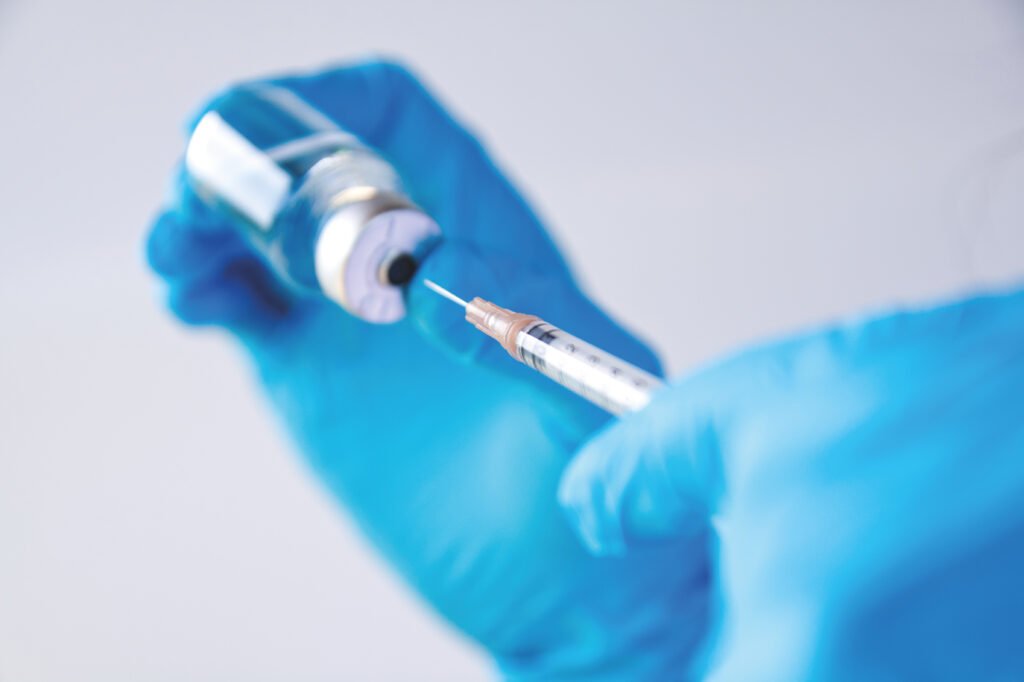
Hyaluronic acid is a naturally occurring substance found within healthy joint fluid, where it helps provide lubrication, cushioning, and smoother joint movement. In joints affected by osteoarthritis, the natural joint fluid can become thinner and less effective over time, which may contribute to pain, stiffness, reduced mobility, and increased friction within the joint.
A hyaluronic acid injection, sometimes referred to as viscosupplementation, involves injecting a gel-like substance into the joint to help improve joint lubrication and movement. These injections may be considered in some patients with arthritis as part of a broader non-surgical management plan.
In some cases, Cingal may be recommended. Cingal combines hyaluronic acid with a corticosteroid, aiming to provide both short-term anti-inflammatory relief and the potential benefits of improved joint lubrication.
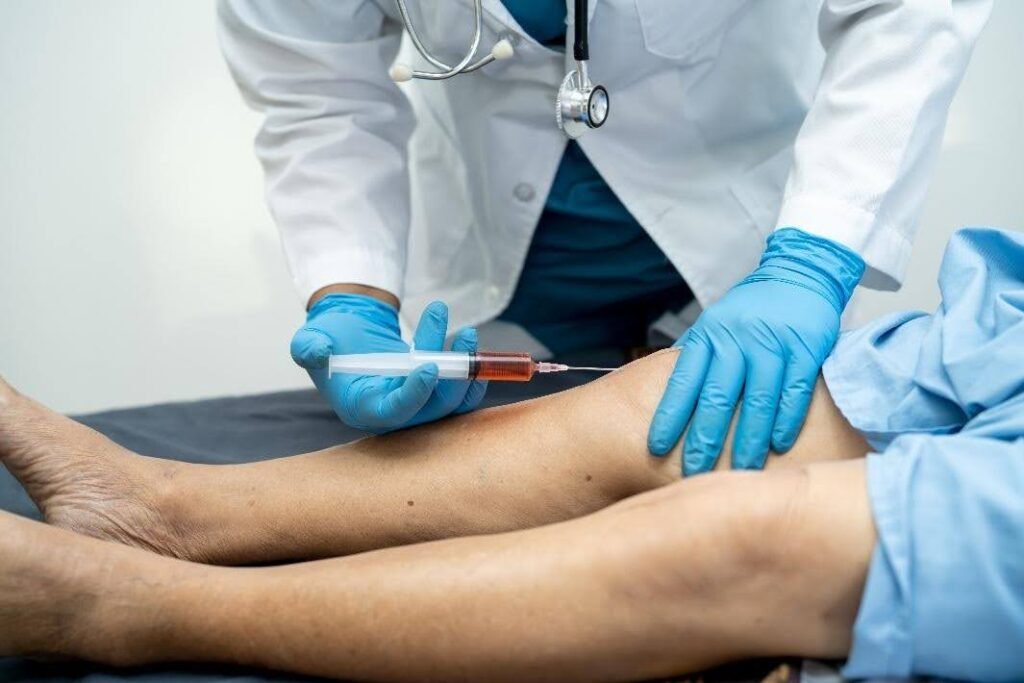
Hyaluronic acid injections may help to:
For many patients, symptom relief may last for several months, and in some cases up to 6–12 months.
Results can vary between individuals, and not all patients will experience the same level of improvement. Some patients may notice temporary:
These side effects are usually mild and settle within a few days.
Hyaluronic acid injections are often considered for patients with mild to moderate knee osteoarthritis who have not achieved adequate relief with other non-surgical treatments such as:
These injections may form part of a broader treatment plan aimed at managing symptoms and delaying the need for surgery where appropriate.
The knee is the most commonly treated joint. In some circumstances, hyaluronic acid injections may also be used for:
Dr Scott Tulloch may perform the injection in the rooms or refer you to an experienced radiologist for an ultrasound-guided injection.
The procedure is relatively quick and usually involves:
The injection itself takes only a few minutes, although you should allow around 30 minutes for the full appointment.
After the injection, you may experience mild discomfort. Ice packs and simple pain relief can help if needed. Strenuous activity is usually avoided for 48 hours to one week. Pain relief is not usually immediate. Many patients begin to notice improvement within several weeks, with full benefit often developing over 4–6 weeks.
If you have a referral from your General Practitioner (GP), the cost of a hyaluronic acid or Cingal injection is typically around $600 per injection.
Please note that these injections are not currently eligible for a Medicare rebate.
Platelet-rich plasma (PRP) therapy is an alternative treatment that uses a concentration of your own blood platelets to help stimulate the body’s natural healing response. Platelets are best known for helping blood clot, but they also contain growth factors and natural anti-inflammatory properties that may assist with tissue repair and recovery. PRP is created by taking a small sample of your blood and processing it in a centrifuge to concentrate the platelets. The platelet-rich plasma is then injected into the affected area.
Because PRP is made from your own blood, no synthetic substances or added growth factors are used.
PRP injections aim to support healing by delivering a high concentration of platelets directly to the site of injury or degeneration.
PRP may help to:
Unlike cortisone injections, PRP does not usually provide immediate pain relief. Improvement is often gradual and may occur over several weeks to months. There is emerging clinical evidence supporting the use of PRP in selected patients, particularly for joint pain and chronic tendon injuries.
PRP therapy may be considered for patients with certain joint, tendon, ligament or muscle conditions, including:
PRP therapy is commonly performed as a series of 3 injections, usually spaced 1–2 weeks apart, depending on your condition and treatment goals.
To ensure the treatment is appropriate for you:
Dr Scott Tulloch may perform the injection in the rooms or refer you to an experienced radiologist for an ultrasound-guided injection, depending on the area being treated.
The procedure usually involves:
The full appointment usually takes around 30–60 minutes.
Some patients experience temporary soreness or discomfort after the injection, which usually settles over a few days.
The cost of PRP therapy is approximately $300 per injection, with most patients requiring a series of 3 injections.
PRP therapy is generally not eligible for a Medicare rebate.