
Recovery is an important part of restoring your mobility, strength and confidence after orthopaedic surgery. Understanding what to expect after your procedure can help you feel more prepared and may support a smoother recovery.
Whether you are undergoing hip replacement, knee replacement, arthroscopy or another orthopaedic procedure, Dr Scott Tulloch and his team will guide you through each stage of your rehabilitation.
Following your post-operative instructions carefully, staying active within your limits, and attending physiotherapy can all help optimise your recovery and reduce the risk of complications.
If you experience chest pain, shortness of breath, or any urgent medical concern, seek immediate medical attention by calling Triple Zero (000) or attending the nearest emergency department.
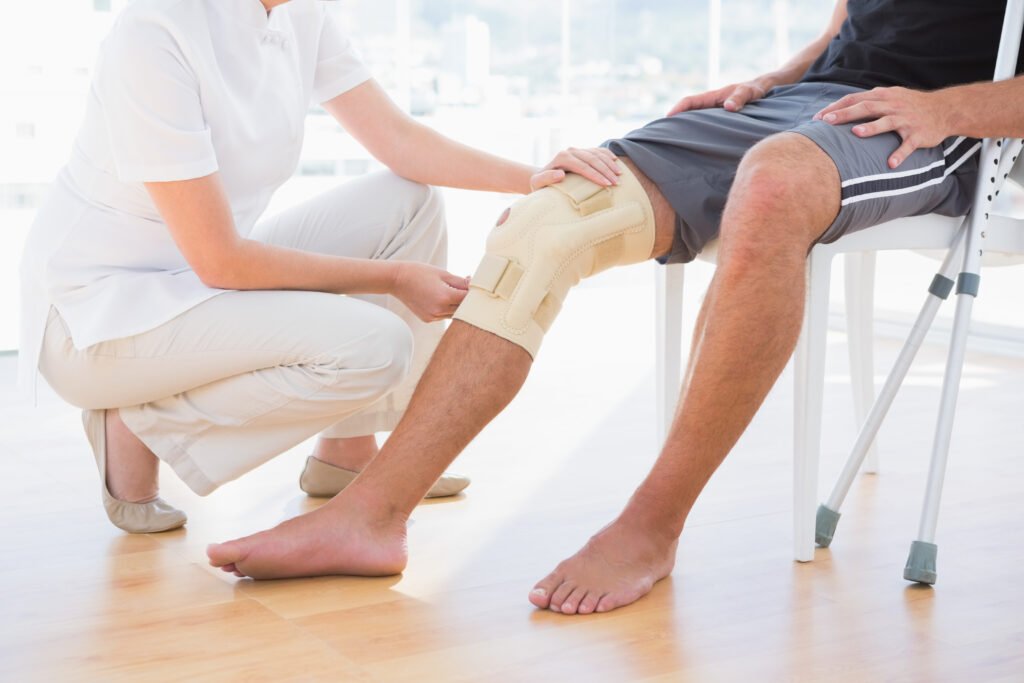
After your procedure, you will wake in the recovery unit, where your vital signs and comfort will be closely monitored. Once stable, you will be transferred to the ward where you can begin light hydration and, when appropriate, eating and drinking.
These are a normal part of early recovery.
Pain management: Pain relief will be provided to keep you comfortable and allow you to move safely.
It is often easier to control pain when medication is taken before discomfort becomes severe.
Some pain medications can cause side effects such as nausea, drowsiness and constipation. If constipation becomes an issue, stool softeners or laxatives may help and are available from your local pharmacy.
Your wound will be checked regularly during your hospital stay. Once home:
Contact Dr Tulloch’s rooms or the hospital if you are concerned about your wound.
Early movement is encouraged after most orthopaedic procedures.
A physiotherapist will guide you through:
Moving early may help reduce the risk of blood clots, stiffness and muscle weakness.
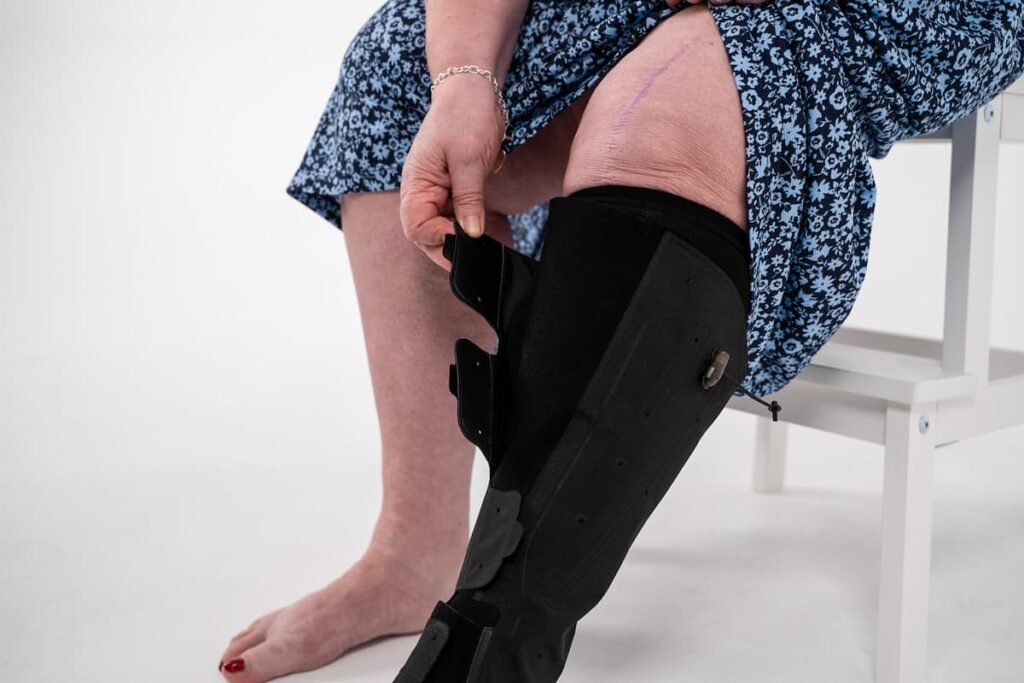
You may be asked to wear:
These help reduce the risk of deep vein thrombosis (DVT) by improving circulation.
Bruising and bleeding: Some bruising or minor wound ooze is common.
Large amounts of bleeding or persistent wound leakage should be reported promptly.
Nausea and vomiting: Anaesthesia, pain medication and travel can sometimes cause nausea.
Mild swelling and warmth around the surgical site are common and may persist for several weeks.
Using ice packs, elevation and rest can help.
Rehabilitation often begins on the day of surgery or the following day with progressive physiotherapy is one of the most important parts of recovery.
Recovery is gradual.
May help support recovery once approved by Dr Tulloch.
High-impact activities may need to be avoided for longer.
Rest, ice and elevate
Ice can help reduce swelling and discomfort.
Apply for 20 minutes every 2 hours as recommended.
Listen to your body
Recovery takes time.
Avoid overdoing activities too soon, as this can increase swelling or discomfort.
Take medications as directed
Do not stop or change prescribed medications without discussing this with Dr Tulloch or your GP.
Always check with Dr Tulloch before returning to driving.
Flying too soon after surgery may increase the risk of swelling or blood clots.
Please discuss travel plans with Dr Tulloch before booking flights.
Dr Scott Tulloch and his team are here to support you throughout your recovery.
If you have any questions or concerns following your procedure, please contact the rooms for advice and assistance.