
Knee Cartilage Injuries and Damage
Damage to knee cartilage causing pain, swelling, and reduced joint movement
Knee cartilage injuries and damage involve disruption to the smooth tissue that lines and cushions the surfaces of the knee joint. This cartilage allows the joint to move freely and with minimal friction, supporting everyday activities such as walking, bending, and weight-bearing.
When the cartilage is injured, it can lead to pain, swelling, stiffness, and changes in joint movement. In some cases, damage may occur suddenly following an injury or trauma, while in others it may develop gradually over time due to wear, repetitive loading, or underlying joint conditions.
Cartilage injuries can vary in severity, ranging from small areas of softening or wear to more significant defects where the cartilage surface is disrupted. Because cartilage has a limited ability to heal on its own, symptoms may persist if not appropriately managed. These changes can affect your ability to move comfortably, stay active, and perform daily tasks, particularly if the damage progresses.
Early assessment can help identify the extent of cartilage injury and guide appropriate management, supporting your joint function and long-term knee health.
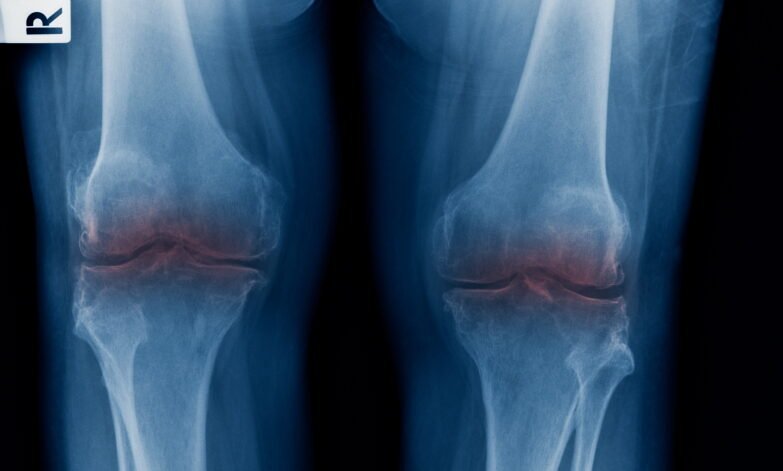
What are knee cartilage injuries and conditions?
Knee cartilage injuries and conditions involve damage to the smooth, protective tissue that lines the surfaces of the knee joint. This cartilage allows the bones to move freely and with minimal friction, helping the joint absorb load during activities such as walking, running, and bending.
There are two main types of cartilage in the knee:
- Articular cartilage, which covers the ends of the bones and provides a smooth gliding surface
- The meniscus, a separate type of cartilage that acts as a shock absorber between the thigh bone (femur) and shin bone (tibia)
Damage can affect either or both of these structures. Articular cartilage injuries may involve areas of softening, wear, or loss of the cartilage surface, while meniscal injuries often involve tears within the cartilage. Cartilage damage can occur suddenly following an injury or trauma, or develop gradually over time due to repetitive stress, joint instability, or degenerative changes.
Because cartilage has a limited capacity to heal, damage can lead to ongoing symptoms such as pain, swelling, stiffness, and changes in joint movement. In some cases, fragments of damaged cartilage may contribute to locking or catching sensations within the knee.
Common causes of knee cartilage damage
Knee cartilage damage can occur due to injury, repetitive stress, or gradual wear over time. In many cases, it develops from a combination of factors that affect how forces are distributed through the knee joint.
Common causes include:
- Traumatic injury, such as a fall, twist, or direct impact to the knee
- Sporting injuries, particularly those involving pivoting, jumping, or sudden changes in direction
- Meniscal tears, which can alter how load is shared across the joint and place stress on the cartilage
- Joint instability, often associated with ligament injuries, which can lead to uneven wear
- Repetitive loading or overuse, especially in activities that involve frequent bending, kneeling, or impact
Cartilage damage can also develop gradually due to:
- Degenerative changes, where the cartilage wears down over time
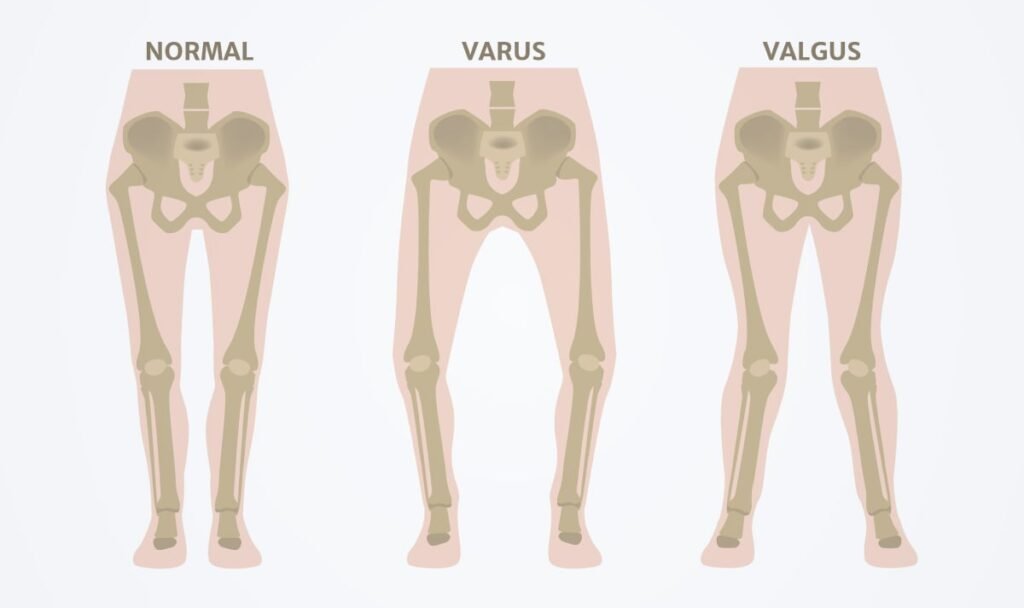
- Joint misalignment, which can concentrate stress on specific areas of the knee
- Previous knee injury, which may affect joint mechanics and increase the risk of ongoing wear
In some cases, small areas of cartilage damage may occur without a single identifiable injury, particularly when multiple contributing factors are present.
Symptoms of knee cartilage damage
Symptoms of knee cartilage damage can vary depending on the location and extent of the injury, and may develop suddenly after an injury or gradually over time.
Common symptoms include:
- Knee pain, often worse with activity such as walking, squatting, or climbing stairs
- Swelling, which may come and go depending on activity levels
- Stiffness, particularly after periods of rest
- Reduced range of motion, making it difficult to fully bend or straighten the knee
- A sensation of grinding, catching, or clicking within the joint
In some cases, fragments of damaged cartilage may interfere with joint movement, leading to:
- Locking or catching, where the knee temporarily feels stuck
- A feeling of the knee not moving smoothly or reliably
Symptoms may fluctuate, often worsening with activity and improving with rest. Over time, ongoing cartilage damage can begin to affect joint function and mobility, particularly if not appropriately managed.
Risk factors for knee cartilage injuries
A range of factors can increase the likelihood of developing knee cartilage injuries, particularly when they affect how load and movement are distributed through the joint.
Common risk factors include:
- Previous knee injury, such as ligament tears or meniscal damage, which can alter joint mechanics
- Repetitive stress or high-impact activity, including sports that involve running, jumping, or pivoting
- Joint instability, where reduced control of the knee places uneven stress on the cartilage
- Excess body weight, which increases the load placed on the knee during everyday activities
- Muscle weakness or imbalance, particularly in the quadriceps, hamstrings, and hip muscles
- Poor movement patterns, such as abnormal loading during squatting or landing
Certain structural and anatomical factors may also contribute, including:
- Joint alignment differences, which can concentrate pressure on specific areas of cartilage
- Variations in cartilage thickness or joint shape
In some individuals, a combination of these factors may increase the risk of both initial cartilage injury and ongoing joint changes over time.
Treatment options for knee cartilage injuries and damage
Management of knee cartilage injuries and damage is tailored to your symptoms, the size and location of the cartilage defect, activity level, and overall knee health. Treatment may be non-surgical or surgical, depending on the severity of the condition and how it is affecting your function.
Non-surgical treatment options are often the first step, particularly for smaller areas of damage or early symptoms.
These may include:
- Activity modification, reducing movements that aggravate the knee while maintaining general mobility
- Physiotherapy, focusing on strengthening the muscles around the knee and improving movement patterns
- Pain relief medications and anti-inflammatory treatments
- Injections, such as corticosteroids or other therapies, which may help manage symptoms in selected cases
- Bracing or offloading strategies, where appropriate, to reduce stress on the affected area
These approaches aim to reduce symptoms and support joint function, although they do not restore damaged cartilage.
If symptoms persist or the cartilage injury is more significant, surgical treatment options may be considered. These can include:
- Arthroscopic procedures, to smooth damaged cartilage or remove loose fragments
- Cartilage repair techniques, such as microfracture, which aim to stimulate new cartilage-like tissue
- Cartilage restoration procedures, including grafting techniques in selected cases
- Meniscal surgery, if there is associated damage contributing to joint loading
The most appropriate treatment depends on factors such as the extent of cartilage damage, knee alignment, stability, and your activity goals.
When to seek medical advice for knee cartilage conditions
It is appropriate to seek medical advice if you are experiencing persistent knee pain, swelling, or changes in how your knee moves, particularly if symptoms are not improving or are affecting your daily activities.
You may benefit from an assessment if you notice:
- Ongoing knee pain, especially with walking, bending, squatting, or climbing stairs
- Swelling that comes and goes, or increases after activity
- A feeling of catching, clicking, or grinding within the joint
- Reduced range of motion, making it difficult to fully bend or straighten the knee
- Episodes of locking, where the knee feels stuck or unable to move
- Symptoms that are progressively worsening or limiting your ability to stay active
Even if symptoms begin after a minor injury, underlying cartilage damage may still be present. Early assessment can help determine the extent of the problem and guide appropriate management. It is particularly important to seek review if your knee is locking, giving way, or significantly limiting your movement, as this may indicate more advanced or mechanical issues within the joint.
Dr Scott Tulloch will perform a comprehensive assessment, which may include imaging such as MRI, to evaluate the cartilage and discuss the most appropriate treatment options based on your individual needs.