
Hip Fractures & Dislocations
Traumatic injury to the hip joint causing pain, instability, and loss of movement
Hip fractures and dislocations are serious injuries that affect the structure and stability of the hip joint. They often occur following trauma, such as a fall, sporting injury, or accident, and typically require prompt medical assessment and treatment.
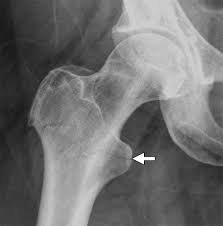
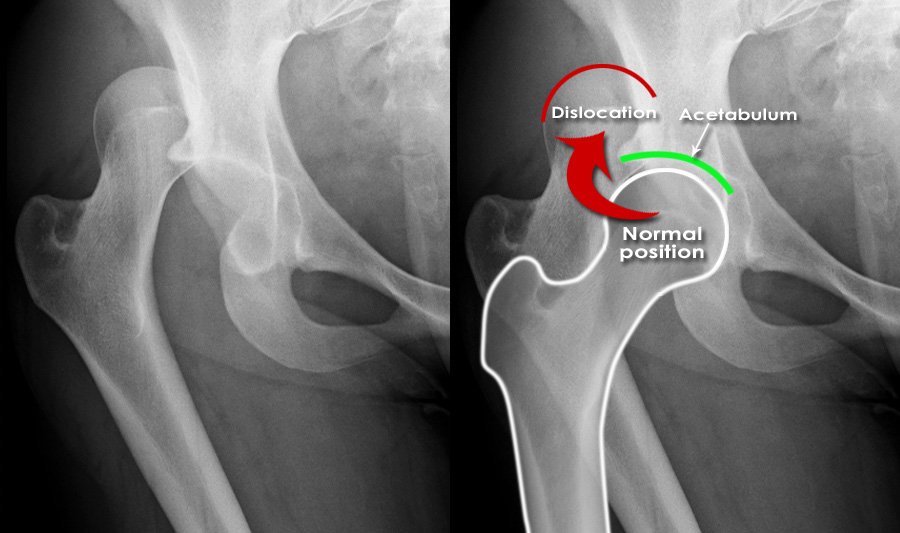
A hip fracture involves a break in the upper part of the thigh bone (femur), while a hip dislocation occurs when the ball of the hip joint moves out of its socket. Both injuries can lead to significant pain, inability to bear weight, and reduced movement, and may affect your ability to stand or walk.
These injuries can occur at any age but are more common in older adults, particularly where bone strength is reduced. In younger patients, they are more often associated with high-impact trauma. Early diagnosis and appropriate management are important to support joint stability, mobility, and recovery. Treatment will depend on the type and severity of the injury, as well as your overall health and functional needs.
- Causes of hip fractures and dislocations
- Symptoms of hip fractures and dislocations
- Risk factors for hip fractures and dislocations
- How hip fractures and dislocations are diagnosed
- Treatment options for hip fractures and dislocations
- When to seek urgent medical care for hip fractures and dislocations
Causes of hip fractures and dislocations
The causes of hip fractures and dislocations vary depending on the individual’s age, bone health, and type of injury.
Causes of Hip Fractures
- Falls from Standing Height: In older adults with osteoporosis or weakened bones, even a minor fall can cause a hip fracture.
- Traumatic Injury: High-impact trauma, such as a car accident, workplace injury, or sports-related impact, can result in a fracture, particularly in younger people.
- Weakened Bones (Osteoporosis): Weakened bones are more prone to fractures, even with minor force or stress.
- Stress Fractures: Repetitive impact from high-impact sports or physical activities (like long-distance running) may cause small cracks in the hip bone.
Causes of Hip Dislocations
- High-Impact Trauma: Car accidents, falls from significant heights, or sports-related collisions can force the hip out of its socket.
- Post-Surgery Complications: People who have undergone total hip replacement surgery may have an increased risk of dislocation, particularly in the early post-operative period.
- Congenital Hip Dysplasia: People born with hip dysplasia may have an increased risk of hip dislocation due to an abnormal hip socket shape.
Symptoms of hip fractures and dislocations
Hip fractures and dislocations present distinct symptoms, but both conditions are associated with severe pain and loss of mobility.
Symptoms of a Hip Fracture
- Severe Pain: Pain is usually felt in the groin, outer hip, or thigh, and it worsens with movement or weight-bearing.
- Inability to Bear Weight: You may be unable to stand or walk after a hip fracture.
- Leg Position Changes: The affected leg may appear shortened or rotated outward.
- Swelling or Bruising: Swelling, bruising, and tenderness around the hip and thigh are common.
Symptoms of a Hip Dislocation
- Severe Pain: Dislocation causes intense hip pain, often felt in the groin, buttocks, or leg.
- Limited Mobility: It is often impossible to move the leg due to the misalignment of the femoral head.
- Leg Position Changes: The affected leg may appear shorter, rotated inward or outward, or be visibly out of alignment.
- Nerve Damage Symptoms: Numbness, tingling, or weakness in the leg may occur if the dislocation compresses the nerves near the hip joint.
If you experience any of these symptoms after a fall, injury, or accident, seek urgent medical attention. Prompt treatment can reduce the risk of complications.
Risk factors for hip fractures and dislocations
Certain factors increase the risk of experiencing a hip fracture or dislocation. Understanding these risks may help you take preventative measures.
Risk Factors for Hip Fractures
- Osteoporosis: Weakened bones from osteoporosis are more susceptible to fractures.
- Advanced Age: As people age, bone density decreases, and the risk of falls increases.
- Gender: Women are more likely to develop osteoporosis, making them more prone to fractures.
- Previous Fractures: If you’ve had a fracture in the past, your risk of future fractures increases.
- Low Body Weight: Lower body weight is linked to reduced bone density, increasing the risk of fractures.
- Use of Certain Medications: Some medications, like corticosteroids, can weaken bones over time.
Risk Factors for Hip Dislocations
- High-Impact Activities: Contact sports (e.g., rugby, football) and high-risk activities (e.g., motorcycling, skiing) increase the chance of dislocation.
- Previous Hip Surgery: People with total hip replacements may have a higher risk of dislocation, particularly in the early stages of recovery.
- Congenital Hip Abnormalities: People with hip dysplasia or other hip deformities may have an increased risk of dislocation.
- Occupational Risks: Jobs that involve working at heights or activities with a higher risk of falls may increase the likelihood of hip dislocations.
How hip fractures and dislocations are diagnosed
Diagnosing hip fractures and dislocations is usually a prompt and structured process, as these injuries often require urgent assessment and treatment.
The diagnosis begins with a review of how the injury occurred and your current symptoms, such as severe hip pain, inability to bear weight, or reduced movement. Hip dislocations may also present with a visible deformity or the leg appearing shortened or rotated.
A clinical examination is then performed to assess the position of the hip, your ability to move the joint, and any areas of tenderness. Your circulation and nerve function will also be checked to ensure there is no associated injury.
Imaging is essential to confirm the diagnosis and guide treatment:
- X-rays are usually the first investigation and can clearly identify most fractures and dislocations
- CT scans may be used to provide more detailed information about the pattern of the fracture, joint alignment, or any associated injuries
- In some cases, MRI may be considered, particularly if a fracture is suspected but not clearly visible on X-ray
Early and accurate diagnosis is important to determine the type and severity of the injury and to plan appropriate management.
Treatment options for hip fractures and dislocations
Management of hip fractures and dislocations is typically urgent and depends on the type of injury, severity, and your overall health. The primary goals are to restore joint alignment, stabilise the bone, and support safe mobilisation.
For a hip dislocation, treatment usually involves urgent reduction, where the ball of the hip joint is carefully guided back into the socket. This is typically performed under anaesthesia or sedation to allow the muscles to relax and to minimise discomfort. After the joint is repositioned, imaging is used to confirm alignment and assess for any associated injuries.
For hip fractures, treatment is most often surgical, particularly when the fracture affects the stability of the joint. Surgical options may include:
- Internal fixation, using screws, plates, or rods to stabilise the broken bone and allow it to heal
- Partial hip replacement (hemiarthroplasty), where part of the joint is replaced
- Total hip replacement, where both the ball and socket of the joint are replaced
The most appropriate approach depends on factors such as the location and pattern of the fracture, your bone quality, level of mobility prior to injury, and overall health.
In some cases, non-surgical management may be considered, particularly if the fracture is stable or if surgery is not appropriate due to medical reasons. This typically involves pain management, careful monitoring, and supported mobilisation.
Following treatment, early mobilisation and rehabilitation are important to support recovery, reduce the risk of complications, and help you return to daily activities. Dr Scott Tulloch will assess your injury and discuss the most appropriate treatment approach, ensuring your care is tailored to your individual needs and circumstances.
When to seek urgent medical care for hip fractures and dislocations
Hip fractures and dislocations require urgent medical assessment. If you have sustained a fall, accident, or direct impact to the hip and are experiencing severe pain or difficulty moving, you should seek immediate medical care.
Urgent attention is recommended if you notice:
- Severe hip or groin pain, especially after a fall or injury
- Inability to stand, walk, or bear weight on the affected leg
- The leg appearing shortened, rotated, or out of position
- Visible deformity around the hip or upper thigh
- Swelling, bruising, or tenderness around the hip
- Numbness, tingling, or weakness in the leg
Hip dislocations in particular are considered a medical emergency, as the blood supply to the joint can be affected if not treated promptly.
Even if symptoms seem less severe, it is important to seek medical review if you have persistent pain or difficulty moving the hip following an injury. Early diagnosis allows for timely treatment and helps reduce the risk of further complications.
If you suspect a hip fracture or dislocation, it is recommended to call emergency services or attend the nearest emergency department for assessment.