
Meniscal Debridement (Arthroscopic )
Arthroscopic meniscal debridement to remove damaged tissue and improve knee movement and comfort
Meniscal debridement (arthroscopic) is a minimally invasive (keyhole) procedure that Dr Scott Tulloch may use to treat certain types of meniscal tears within the knee.
The menisci are specialised pieces of cartilage that help provide shock absorption, stability, and protection within the knee joint. When the meniscus becomes torn or damaged, it can lead to symptoms such as pain, swelling, catching, locking, or restricted movement.
In some cases, the tear may not be suitable for repair due to factors such as the location, pattern, or quality of the tissue. Arthroscopic meniscal debridement involves carefully trimming or removing the damaged portion of the meniscus while preserving as much healthy tissue as possible.
- What is arthroscopic meniscal debridement?
- When arthroscopic meniscal debridement may be recommended
- Preparing for arthroscopic meniscal debridement surgery
- What happens during arthroscopic meniscal debridement
- Understanding the risks and considerations
- What to expect after surgery
- Rehabilitation and recovery after surgery
- Long-term outcomes after arthroscopic meniscal debridement
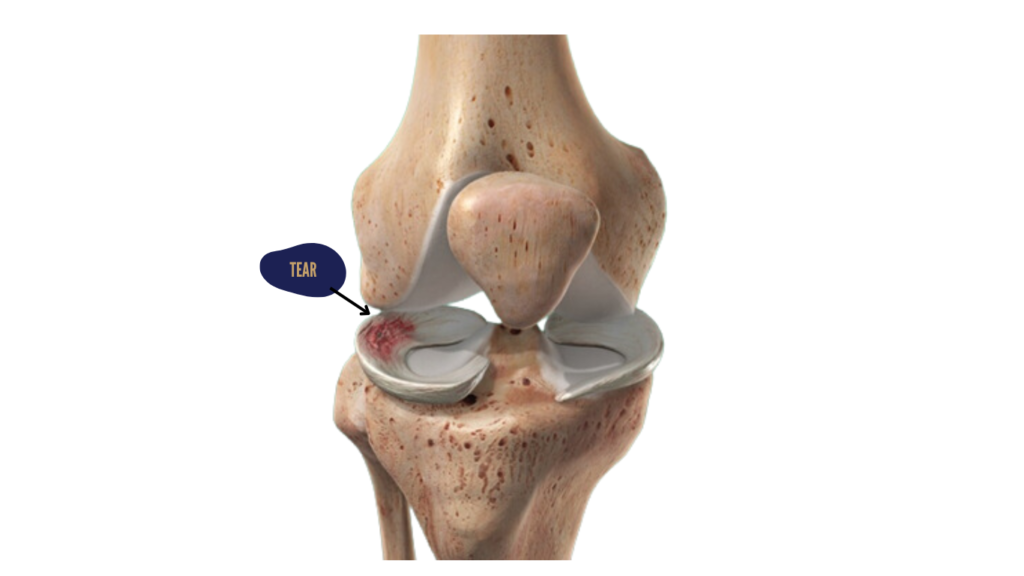
What is arthroscopic meniscal debridement?
Arthroscopic meniscal debridement is a minimally invasive (keyhole) procedure used to treat certain types of meniscal tears within the knee joint.
The menisci are specialised pieces of cartilage that help provide shock absorption, stability, and protection within the knee. When the meniscus is torn or damaged, it can cause symptoms such as pain, swelling, catching, locking, or restricted movement.
In some cases, the tear may not be suitable for repair due to the location, pattern, or condition of the tissue. Arthroscopic meniscal debridement involves carefully trimming or removing the damaged portion of the meniscus while preserving as much healthy tissue as possible.
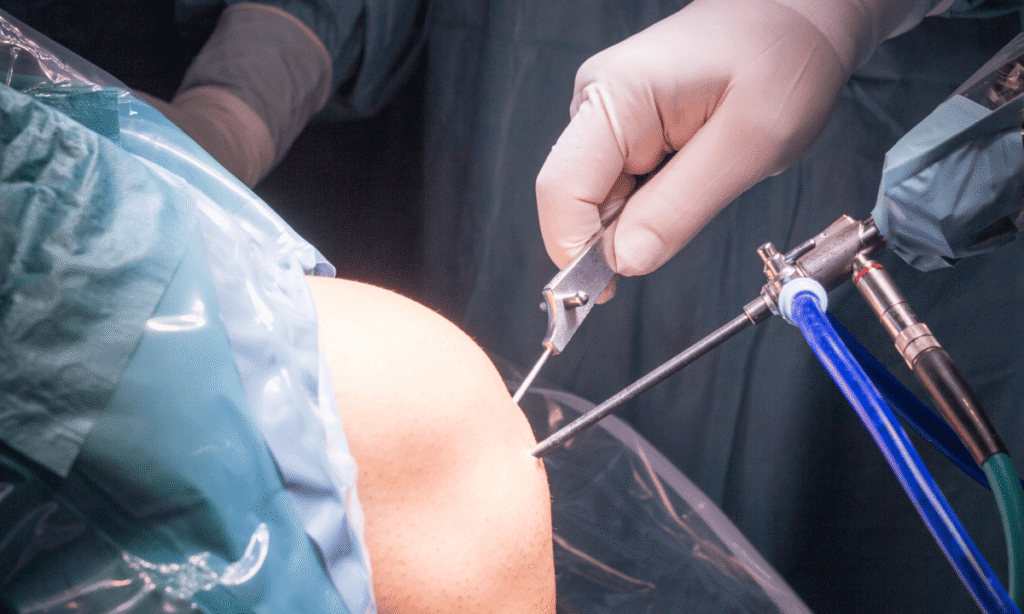
The procedure is performed using arthroscopic techniques, where a small camera and specialised instruments are inserted through small incisions around the knee.
The aim of arthroscopic meniscal debridement is to help improve joint movement, reduce mechanical symptoms, and support knee function, although outcomes can vary depending on the underlying condition of the knee and extent of cartilage wear.
When arthroscopic meniscal debridement may be recommended
Arthroscopic meniscal debridement may be considered when a meniscal tear is causing ongoing symptoms and the damaged tissue is not considered suitable for repair. Not all meniscal tears require surgery. Some may improve with physiotherapy, activity modification, and non-surgical treatment, particularly when symptoms are mild and the knee remains stable.
Arthroscopic meniscal debridement may be discussed when:
- You have persistent knee pain, swelling, catching, or locking despite rehabilitation
- The tear is located in an area with limited blood supply, reducing the likelihood of healing with repair
- The meniscal tissue is frayed, degenerative, or complex, making repair less suitable
- Mechanical symptoms are affecting movement or daily activities
- There is associated cartilage wear or degenerative change within the knee
The decision to proceed with arthroscopic meniscal debridement depends on factors such as the type and location of the tear, overall knee condition, symptoms, and activity level.
Preparing for arthroscopic meniscal debridement surgery
Preparing for arthroscopic meniscal debridement surgery involves clinical assessment, physical preparation, and practical planning to support a smooth procedure and recovery.
Before surgery, Dr Scott Tulloch will perform a comprehensive evaluation of your knee, which may include:
- A detailed clinical examination
- Imaging, such as MRI and X-rays, to assess the meniscal tear and identify any associated joint changes or injuries
This assessment helps determine whether debridement is appropriate and assists with surgical planning.
You will also receive pre-operative instructions, which may include guidance on:
- Fasting prior to surgery
- Managing or temporarily stopping certain medications
- Preparing for your hospital admission
- Organising crutches or supports, if required after surgery
Optimising your knee function before surgery may help support recovery. This can include:
- Reducing swelling
- Improving range of motion
- Strengthening the quadriceps and surrounding muscles through physiotherapy exercises
Optimising your general health may also support recovery. This can include maintaining a healthy weight, stopping smoking, and managing any underlying medical conditions. It is also helpful to prepare your home environment for your return after surgery, particularly if you expect temporary discomfort or reduced mobility in the early stages.
What happens during arthroscopic meniscal debridement
Arthroscopic meniscal debridement is typically carried out under general anaesthesia or regional anaesthesia (such as a spinal anaesthetic), so you will be comfortable throughout.
Surgical technique
The surgery is performed using arthroscopic (keyhole) techniques, which involve small incisions and the use of a camera to visualise the inside of the knee joint.
During the operation:
- Small incisions are made around the knee to insert a camera (arthroscope) and specialised instruments
- Dr Scott Tulloch carefully assesses the meniscus, cartilage surfaces, and surrounding joint structures
- The torn or unstable portion of the meniscus is carefully trimmed and smoothed while preserving as much healthy tissue as possible
- Any associated issues within the joint may also be assessed and addressed where appropriate
Once the debridement is complete, the knee is checked for smooth movement and stability. The incisions are then closed and dressed, and you will be transferred to recovery for monitoring.
Duration
The procedure typically takes around 30–60 minutes, although this can vary depending on the complexity of the tear and whether additional treatment is required.
Understanding the risks and considerations
All surgical procedures carry potential risks, and arthroscopic meniscal debridement is no exception. Understanding these risks and considerations can help you make an informed decision about your care.
General risks associated with surgery may include:
- Infection
- Bleeding
- Blood clots (deep vein thrombosis or pulmonary embolism)
- Reactions to anaesthesia
There are also considerations specific to arthroscopic meniscal debridement. These may include:
- Persistent knee pain or swelling
- Stiffness or reduced range of motion
- Ongoing or recurrent mechanical symptoms, such as catching or locking
- Removal of meniscal tissue may alter how load is distributed through the knee joint over time
- Progression of cartilage wear or degenerative change, particularly if arthritis is already present
- Nerve irritation or numbness around the incision sites, which is often temporary
Because this procedure involves removing damaged tissue rather than repairing it, the long-term outcome may also depend on the overall condition of the cartilage and knee joint. In some cases, symptoms may persist or further treatment may be required in the future.
Dr Scott Tulloch will discuss the risks and considerations relevant to your individual situation, helping you understand the potential benefits and limitations of the procedure.
What to expect after surgery
Recovery after arthroscopic meniscal debridement is typically progressive, with a focus on reducing swelling, restoring movement, and returning to daily activities.
Hospital stay
Arthroscopic meniscal debridement is commonly performed as a day procedure, meaning many patients return home on the same day.
Pain management
It is common to experience mild to moderate pain, swelling, and stiffness in the early stages after surgery. These symptoms are usually managed with:
- Medications prescribed by your care team
- Cold therapy (ice) to reduce swelling
- Elevation of the leg to support circulation
Assistive devices and mobility
You will usually begin walking soon after surgery, often on the same day.
Crutches may be used for a short period to improve comfort and support mobility, depending on your symptoms and the procedure performed.
Discharge instructions
Before leaving hospital, you will receive guidance on:
- Wound care and dressing management
- Managing pain and swelling
- Gradually returning to walking and daily activities
- Recognising signs of complications
Because the procedure is minimally invasive, recovery is often faster than with more complex knee surgery, although this can vary depending on the condition of the knee and extent of cartilage wear.
Rehabilitation and recovery after surgery
Rehabilitation following arthroscopic meniscal debridement focuses on restoring movement, strength, and knee function while gradually returning to daily activities.
Early phase (first few weeks)
The initial focus is on:
- Managing pain and swelling
- Restoring range of motion
- Activating the quadriceps muscles
- Returning to comfortable walking and normal movement patterns
A physiotherapy program may be recommended to support recovery and improve knee function.
Intermediate phase (weeks to months)
As symptoms improve, rehabilitation focuses on:
- Rebuilding muscle strength, particularly in the quadriceps and surrounding hip muscles
- Improving balance and movement control
- Gradually increasing activity levels
Exercises are progressed based on your symptoms, knee condition, and activity goals.
Later phase (return to activity)
Recovery continues with:
- Ongoing strength and conditioning exercises
- Gradual return to sport or higher-demand activity, where appropriate
- Functional exercises aimed at improving confidence and knee control
Recovery timeline
Recovery after arthroscopic meniscal debridement is often quicker than after meniscal repair, as there is no repaired tissue requiring protection during healing. Many patients return to light daily activities within a few weeks, although recovery can vary depending on the underlying condition of the knee and extent of cartilage wear.
Maintaining strength, flexibility, and an active lifestyle may help support ongoing knee function.
Long-term outcomes after arthroscopic meniscal debridement
Long-term outcomes following arthroscopic meniscal debridement can vary depending on factors such as the type of meniscal tear, overall condition of the knee joint, degree of cartilage wear, and activity level. Many patients experience improvement in mechanical symptoms, such as catching or locking, along with improved knee movement and function following recovery and rehabilitation.
Because the procedure involves removing damaged meniscal tissue, preserving as much healthy meniscus as possible is important for supporting the long-term function of the knee joint.
It is important to understand that:
- Outcomes may be influenced by the presence of arthritis or cartilage degeneration within the knee
- Some patients may continue to experience pain, swelling, or stiffness over time
- Further degeneration of the joint may occur, particularly if there is significant underlying cartilage wear
- Additional treatment may occasionally be required in the future
Maintaining an active and healthy lifestyle, including strengthening exercises and low-impact activity, may help support ongoing knee function and joint health.
Regular follow-up may be recommended depending on your symptoms and overall knee condition.
Dr Scott Tulloch will provide ongoing guidance and follow-up care to support your recovery and help you achieve the best possible long-term outcome based on your individual circumstances.