
Patellar Tendon Rupture
Tear of the patellar tendon causing pain, weakness, and loss of knee extension
A patellar tendon rupture is a serious injury where the tendon connecting the kneecap (patella) to the shin bone (tibia) becomes partially or completely torn. This tendon is a key part of the knee’s extensor mechanism, allowing you to straighten the leg and support weight-bearing activities such as walking, climbing stairs, and standing.
When the patellar tendon is disrupted, it can significantly affect your ability to extend the knee, control movement, and perform everyday tasks. The injury often occurs during a forceful contraction of the thigh muscles, particularly when the knee is bent and under load.
Symptoms typically include sudden pain, swelling, weakness, and difficulty straightening the leg, and in some cases, a noticeable change in the position of the kneecap.
Early assessment is important to confirm the diagnosis and determine the extent of the injury, as timely management can help support recovery of strength, movement, and knee function.
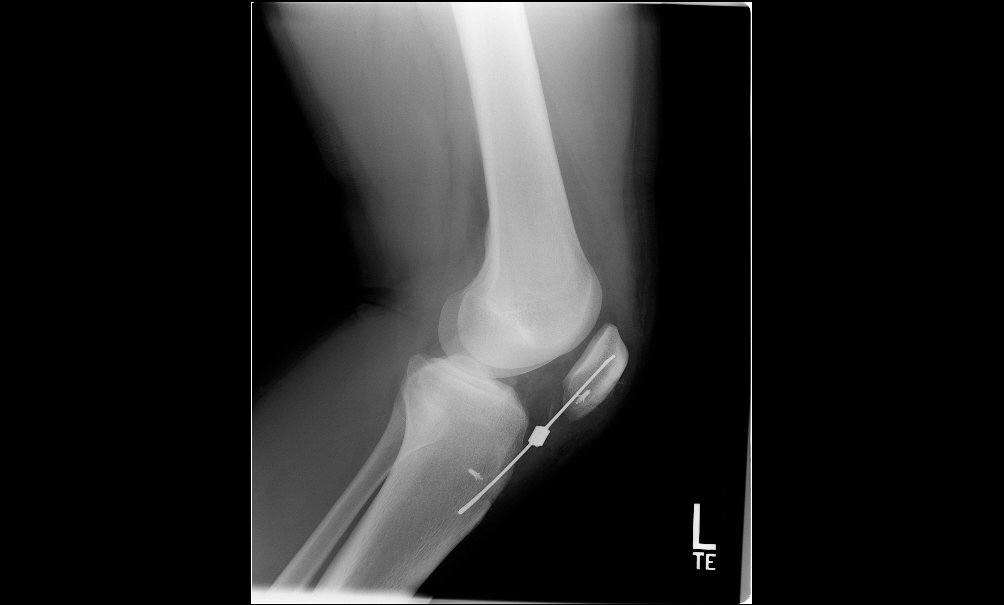
What is a patellar tendon rupture?
A patellar tendon rupture is an injury where the tendon connecting the kneecap (patella) to the shin bone (tibia) becomes partially or completely torn. The patellar tendon is a key part of the knee’s extensor mechanism, working together with the quadriceps muscles and quadriceps tendon to allow the knee to straighten (extend). This function is essential for activities such as walking, standing, climbing stairs, and rising from a seated position.
Ruptures can vary in severity:
- A partial tear, where some fibres of the tendon remain intact
- A complete rupture, where the tendon is fully torn and no longer connected to the tibia
In a complete rupture, the ability to actively straighten the knee is significantly affected, and it may be difficult or impossible to lift the leg or control movement.
This type of injury often occurs suddenly, typically during a forceful movement or load applied to a bent knee, and is more commonly seen in active individuals and understanding the extent of the injury is important, as it helps guide appropriate treatment and supports recovery of strength, stability, and knee function.
Common causes of patellar tendon rupture
A patellar tendon rupture typically occurs when the tendon is exposed to a sudden, forceful load, particularly when the knee is bent and the quadriceps muscles contract to stabilise the joint.
Common causes include:
- Jumping or landing movements, especially during sport
- Sudden acceleration or deceleration, placing high stress through the tendon
- Falls, particularly when trying to regain balance with a bent knee
- Heavy lifting or forceful pushing movements
- Direct trauma to the front of the knee
In many cases, the rupture occurs when the quadriceps muscle contracts forcefully against resistance, creating tension that exceeds the strength of the tendon. In some individuals, the tendon may already be weakened, increasing the risk of rupture even with relatively minor trauma.
Contributing factors can include:
- Degenerative changes within the tendon over time
- Previous knee injury or surgery
- Chronic tendon irritation (tendinopathy)
- Underlying medical conditions that affect tendon strength
- Long-term use of certain medications, such as corticosteroids
As a result, some ruptures may occur without a major injury, particularly when the tendon has been weakened.
Symptoms of patellar tendon rupture
Symptoms of a patellar tendon rupture usually occur suddenly and can significantly affect your ability to move and support the knee. At the time of injury, many people experience a sharp pain at the front of the knee, often accompanied by a tearing or popping sensation.
Common symptoms include:
- Pain at the front of the knee, particularly after a sudden movement or fall
- Swelling and bruising around the knee
- Difficulty or inability to straighten the leg
- Weakness when trying to extend the knee
- A feeling of the knee giving way or not functioning normally
In cases of a complete rupture, you may also notice:
- Inability to perform a straight leg raise
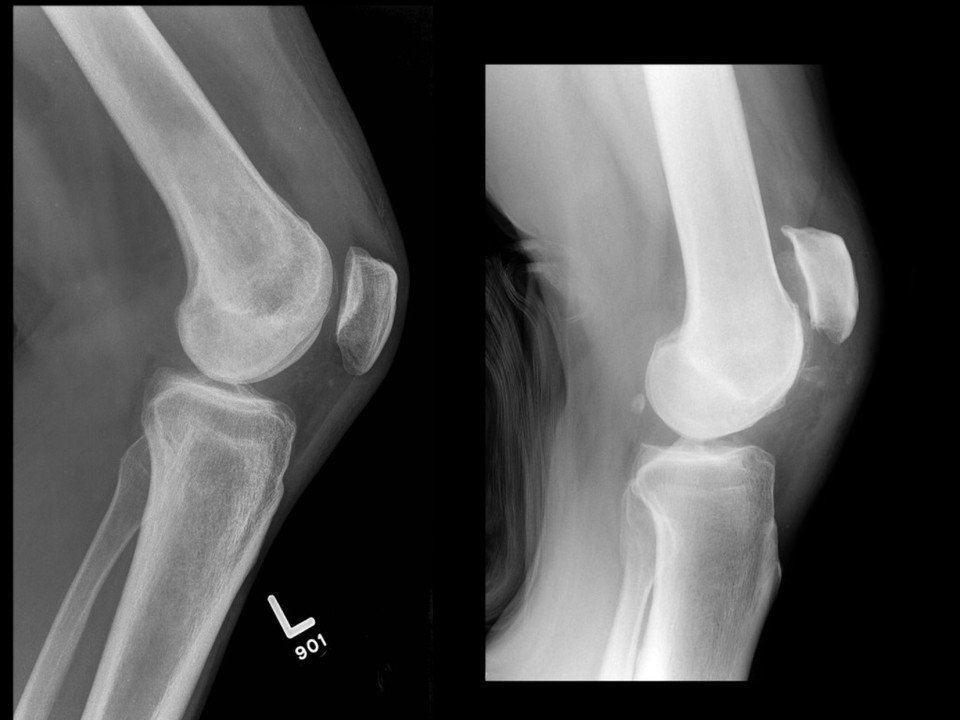
- The kneecap sitting higher than usual (patella alta)
- A visible or palpable gap below the kneecap, where the tendon has torn
These symptoms can make it difficult to walk, stand, or bear weight on the affected leg. If these symptoms occur, particularly after an injury, it is important to seek prompt medical assessment, as this condition often requires timely management to restore knee function.
Risk factors for patellar tendon ruptures
A number of factors can increase the likelihood of a patellar tendon rupture, particularly those that affect tendon strength, resilience, and the ability to tolerate load.
Common risk factors include:
- Participation in high-demand activities, such as jumping, sprinting, or sports involving explosive movements
- Previous knee injury or surgery, which may weaken the tendon
- Chronic tendon irritation (patellar tendinopathy), sometimes referred to as “jumper’s knee”
- Degenerative changes within the tendon over time
Additional contributing factors may include:
- Underlying medical conditions, such as diabetes or conditions affecting connective tissue
- Long-term use of corticosteroids, which can affect tendon strength
- Certain medications, which may influence tendon health
- Muscle imbalance or reduced conditioning, particularly in the quadriceps
In many cases, a rupture occurs when a weakened tendon is exposed to a sudden force, rather than from a single isolated cause.
Treatment options for patellar tendon ruptures
Management of a patellar tendon rupture depends on the severity of the tear, your symptoms, and your functional needs. Treatment may be non-surgical or surgical, although many cases require operative management to restore knee function. Non-surgical treatment may be considered in partial tears, where the tendon remains largely intact and the knee can still be actively straightened.
This may include:
- Immobilisation of the knee in a brace to allow healing
- Restricted weight-bearing, often with the use of crutches
- A structured physiotherapy program to restore strength and movement as healing progresses
These approaches aim to support the tendon as it heals while maintaining joint function.
In cases of a complete rupture, or where there is significant loss of function, surgical repair is typically recommended. This involves:
- Reattaching the torn tendon to the shin bone (tibia) using sutures or fixation techniques
- Restoring the extensor mechanism of the knee to allow normal straightening and control
Timely surgical repair is often important to support recovery of strength and knee function. Following either non-surgical or surgical treatment, a structured rehabilitation program is essential. This focuses on gradually restoring:
- Range of motion
- Muscle strength, particularly in the quadriceps
- Functional movement, including walking and daily activities
Recovery timelines can vary depending on the extent of the injury and treatment approach.
When to seek urgent medical advice for a patellar tendon rupture
A patellar tendon rupture is a significant injury that requires prompt medical assessment. Early evaluation is important to confirm the diagnosis and guide appropriate treatment.
You should seek urgent medical advice if you experience:
- A sudden injury to the knee followed by significant pain at the front of the joint
- A tearing or popping sensation at the time of injury
- Inability to straighten the knee or lift the leg
- Difficulty bearing weight or walking
- Rapid swelling or bruising around the knee
It is particularly important to seek immediate review if you notice:
- Inability to perform a straight leg raise
- The kneecap sitting higher than usual
- A visible or palpable gap below the kneecap
- The knee feeling unstable or unable to support movement
These features may indicate a complete tendon rupture, which often requires timely treatment to restore knee function.
If you suspect this injury, avoid placing weight on the leg and seek care through your nearest emergency department or urgent care service. Early assessment allows for appropriate imaging and management planning, helping to support recovery of strength, movement, and knee function.