
Knee Osteotomy (Realignment Surgery)
Knee realignment surgery to redistribute joint load and help preserve the natural knee
Knee osteotomy (realignment surgery) is a procedure used to change the alignment of the knee in order to redistribute pressure away from a damaged or worn area of the joint. In some people, the knee alignment places increased load through one side of the joint, which can contribute to pain, cartilage wear, and the progression of arthritis. A knee osteotomy involves carefully reshaping the bone to improve alignment and alter how weight is distributed through the knee.
The aim of knee realignment surgery is to help improve pain, function, and knee mechanics, although outcomes can vary between individuals.
- What is knee osteotomy (realignment surgery)?
- When knee osteotomy may be recommended
- Preparing for knee osteotomy surgery
- What happens during knee osteotomy surgery
- Understanding the risks and considerations
- What to expect after surgery
- Rehabilitation and recovery after surgery
- Long-term outcomes after knee osteotomy
What is knee osteotomy (realignment surgery)?
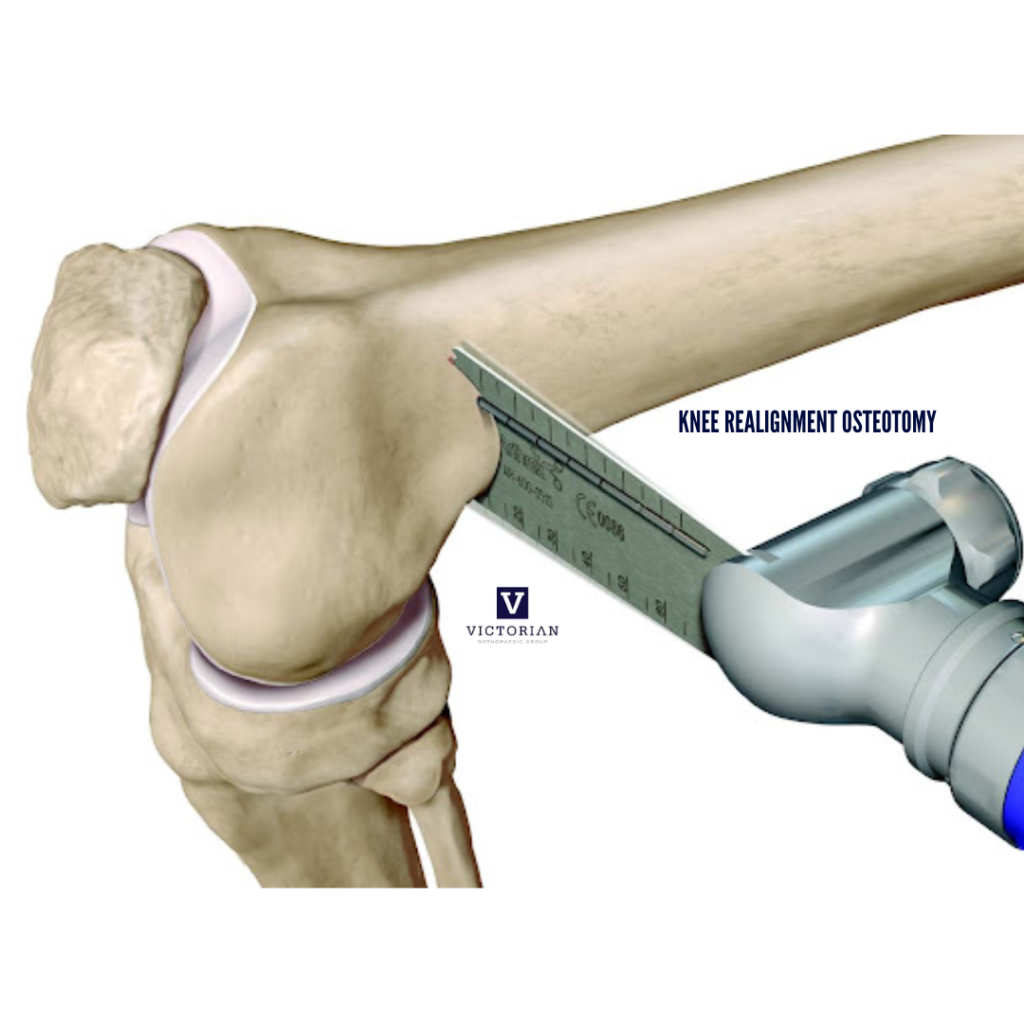
Knee osteotomy (realignment surgery) is a procedure used to change the alignment of the knee in order to redistribute weight away from a damaged or worn part of the joint. In some people, the alignment of the leg causes increased pressure through one side of the knee. Over time, this uneven load can contribute to pain, cartilage damage, meniscal wear, and the progression of arthritis.
A knee osteotomy involves carefully cutting and reshaping the bone, usually around the tibia (shin bone) or femur (thigh bone), to improve the alignment of the leg and alter how forces pass through the knee joint. It is often considered in people with knee malalignment, early arthritis, cartilage damage, or meniscal deficiency, particularly when symptoms are affecting activity and function.
The aim of knee realignment surgery is to improve pain, stability, and overall knee mechanics, although outcomes can vary depending on the degree of joint damage, alignment, and rehabilitation.
When knee osteotomy may be recommended
Knee osteotomy (realignment surgery) may be considered when knee pain and joint wear are associated with abnormal alignment of the leg, causing increased pressure through one part of the knee joint. This procedure is typically considered in patients where the goal is to help preserve the natural knee joint and reduce stress on the damaged area.
Knee osteotomy may be discussed when:
- There is pain localised to one side of the knee
- Imaging shows early arthritis or cartilage damage affecting one compartment of the knee
- The leg has bow-legged (varus) or knock-kneed (valgus) alignment contributing to uneven joint loading
- There is associated meniscal damage or meniscal deficiency
- Symptoms are affecting walking, activity, or sport, despite non-surgical treatment
This procedure is often considered in younger or more active individuals, particularly when knee replacement may not be the preferred initial option. Not all patients are suitable for knee osteotomy. The decision depends on factors such as your alignment, knee stability, degree of arthritis, activity level, and overall joint condition.
Preparing for knee osteotomy surgery
Preparing for knee osteotomy surgery involves detailed assessment, surgical planning, and physical preparation to support a safe procedure and recovery. Before surgery, Dr Scott Tulloch will perform a comprehensive evaluation of your knee and lower limb alignment.
This may include:
- A detailed clinical examination
- X-rays, including long-leg alignment imaging
- In some cases, MRI or CT scans to assess cartilage, meniscal tissue, and overall joint condition
These investigations help determine the degree of malalignment and assist with precise surgical planning. You will also receive pre-operative instructions, which may include guidance on:
- Fasting prior to surgery
- Managing or temporarily stopping certain medications
- Preparing for your hospital admission
- Organising crutches or walking aids for use after surgery
Prehabilitation (pre-surgery physiotherapy) may be recommended to help optimise your knee before surgery. This can include:
- Improving range of motion
- Strengthening the quadriceps and surrounding muscles
- Reducing swelling and stiffness
Optimising your general health before surgery may also support recovery. This can include maintaining a healthy weight, stopping smoking, and managing any underlying medical conditions. It is also important to prepare your home environment for your return after surgery, particularly as you may have temporary weight-bearing restrictions during the early stages of recovery.
What happens during knee osteotomy surgery
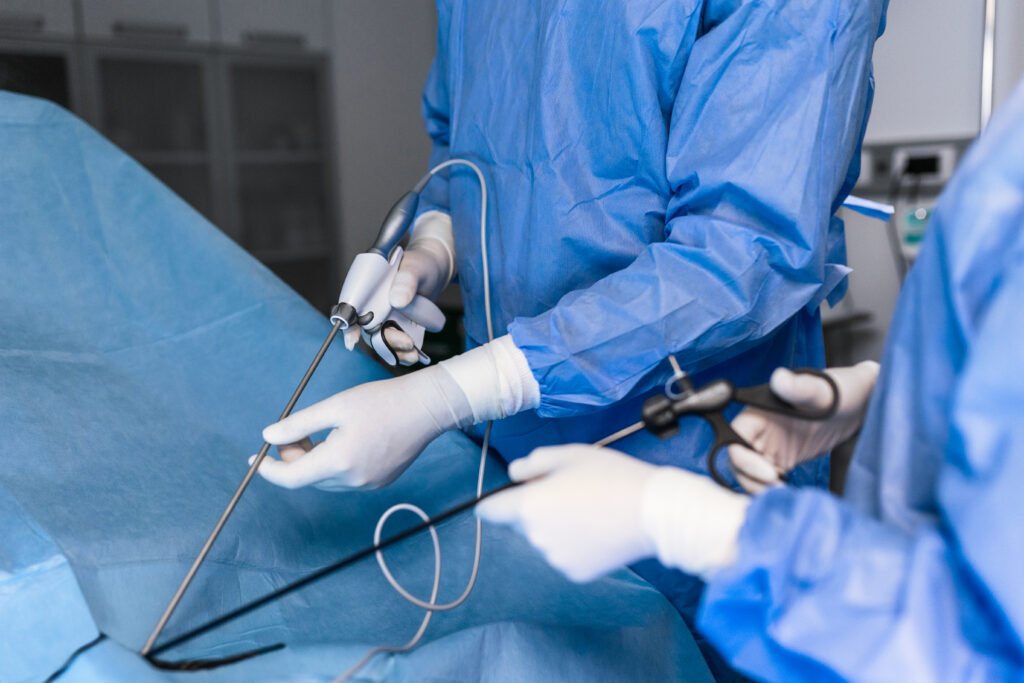
Knee osteotomy surgery is typically carried out under general anaesthesia or regional anaesthesia (such as a spinal anaesthetic), so you will be comfortable throughout.
Surgical technique
The surgery involves carefully reshaping the bone around the knee, most commonly the tibia (shin bone) or, in some cases, the femur (thigh bone).
During the operation:
- An incision is made over the area of the bone being treated
- The surgeon carefully creates a controlled cut in the bone
- The alignment of the leg is adjusted to redistribute load away from the damaged part of the knee
- The corrected position is stabilised using plates and screws
- In some cases, a bone graft or bone substitute may be used to support healing and maintain the new alignment
The aim is to improve how weight passes through the knee joint and reduce stress on the affected compartment.
Once the alignment has been corrected and fixation secured, the incision is closed and dressed, and you will be transferred to recovery for monitoring.
Duration
The procedure typically takes 1–2 hours, although this can vary depending on the complexity of the correction and whether additional procedures are performed.
Understanding the risks and considerations
All surgical procedures carry potential risks, and knee osteotomy (realignment surgery) is no exception. Understanding these risks and considerations can help you make an informed decision about your care.
General risks associated with surgery may include:
- Infection
- Bleeding
- Blood clots (deep vein thrombosis or pulmonary embolism)
- Reactions to anaesthesia
There are also considerations specific to knee osteotomy. These may include:
- Persistent knee pain or stiffness
- Delayed bone healing or non-union, where the bone does not heal as expected
- Loss of correction or changes in alignment over time
- Irritation from the plates or screws used to stabilise the bone
- Nerve or blood vessel irritation, which is uncommon
- Progression of arthritis or cartilage wear despite surgery
Because knee osteotomy changes the alignment of the leg, recovery and rehabilitation are important parts of achieving the intended outcome. In some cases, additional procedures or future surgery, including knee replacement, may still be required over time depending on the condition of the joint.
What to expect after surgery
Recovery after knee osteotomy (realignment surgery) is typically progressive, with a focus on protecting the bone while it heals, restoring movement, and gradually returning to activity.
Hospital stay
Most patients stay in hospital for 1–3 days following surgery for monitoring, pain management, and early rehabilitation.
Pain management
It is common to experience pain, swelling, and stiffness in the early stages after surgery. These symptoms are managed with:
- Medications prescribed by your care team
- Cold therapy (ice) to reduce swelling
- Elevation of the leg to support circulation
Assistive devices and mobility
You will usually begin mobilising with guidance from a physiotherapist soon after surgery.
Crutches or other walking aids are typically required during the early recovery period, particularly if there are weight-bearing restrictions while the bone heals.
Discharge instructions
Before leaving hospital, you will receive guidance on:
- Wound care and dressing management
- Managing pain and swelling
- Weight-bearing restrictions and safe movement
- Use of crutches or supports
- Recognising signs of complications
Because the bone requires time to heal, recovery after knee osteotomy is generally more gradual than after arthroscopic procedures.
Rehabilitation and recovery after surgery
Rehabilitation following knee osteotomy (realignment surgery) is a structured and progressive process focused on supporting bone healing while restoring movement, strength, and knee function.
Early phase (first few weeks)
The initial focus is on:
- Managing pain and swelling
- Protecting the osteotomy site while the bone heals
- Restoring gentle range of motion
- Activating the quadriceps muscles
- Beginning walking with crutches or walking aids, often with temporary weight-bearing restrictions
A structured physiotherapy program usually begins soon after surgery, with exercises tailored to your procedure and recovery progress.
Intermediate phase (weeks to months)
As healing progresses, rehabilitation focuses on:
- Improving range of motion
- Rebuilding muscle strength, particularly in the quadriceps and surrounding hip muscles
- Improving balance and movement control
- Gradually increasing weight-bearing and walking tolerance
Activity levels are progressed based on your bone healing, symptoms, and follow-up imaging.
Later phase (return to activity)
Recovery continues with:
- Advanced strength and conditioning exercises
- Functional training aimed at improving walking mechanics and knee control
- Gradual return to sport or higher-demand activity, where appropriate
Recovery timeline
Recovery after knee osteotomy typically occurs over several months, as the bone requires time to heal and remodel. The pace of recovery can vary depending on the degree of correction, bone healing, overall joint condition, and adherence to rehabilitation.
Maintaining strength, flexibility, and an active lifestyle may help support long-term knee function and joint health.
Long-term outcomes after knee osteotomy
Knee osteotomy (realignment surgery) may help improve pain, mobility, and knee function for selected patients by redistributing load away from the damaged area of the joint. By preserving the natural knee joint, this procedure may also help slow the progression of joint wear and, in some cases, delay the need for knee replacement surgery.
Long-term outcomes can vary depending on factors such as:
- The severity of the malalignment and joint damage
- The condition of the cartilage and meniscus
- Bone healing following surgery
- Adherence to rehabilitation and physiotherapy
- Overall health and activity level
It is important to understand that arthritis or cartilage wear may still progress over time, and some patients may continue to experience symptoms such as pain or stiffness. Regular follow-up appointments are recommended to monitor healing, alignment, and knee function during recovery and over the longer term.
Maintaining an active and healthy lifestyle, including strengthening exercises and low-impact activity, may help support ongoing knee function and joint health.
If you would like to learn more about knee osteotomy or discuss whether this procedure may be appropriate for your condition, Dr Scott Tulloch can provide an individualised assessment and treatment advice based on your knee alignment, symptoms, and goals.