
Radiofrequency ablation (RFA) is a minimally invasive procedure used to help manage persistent knee pain, particularly in individuals where symptoms have not improved with other non-surgical treatments.
The procedure works by using controlled radiofrequency energy to target specific sensory nerves around the knee that transmit pain signals to the brain. By interrupting these signals, RFA may help reduce pain and improve comfort during everyday activities. This treatment does not change the underlying structure of the knee joint but may provide symptom relief, allowing for improved movement and participation in daily activities.
RFA is often considered for individuals with knee arthritis or ongoing knee pain who are not suitable for surgery or prefer to explore alternative options.
Assessment is important to determine whether this procedure may be appropriate for your individual condition and treatment goals.
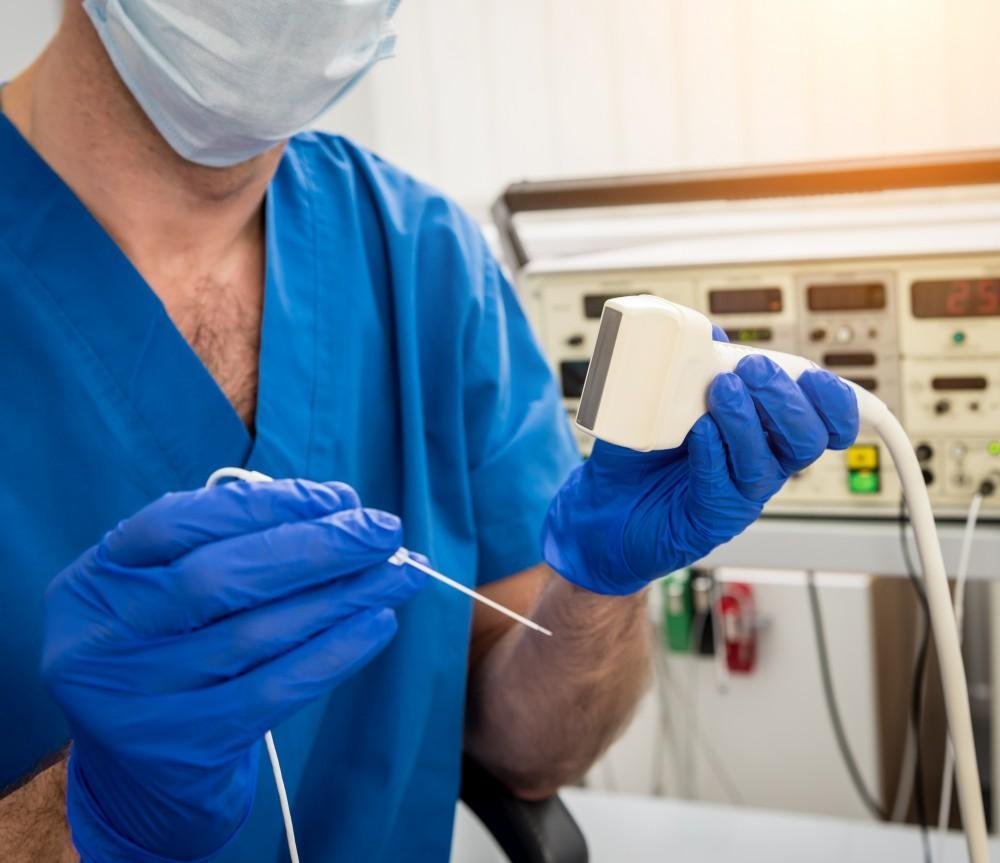
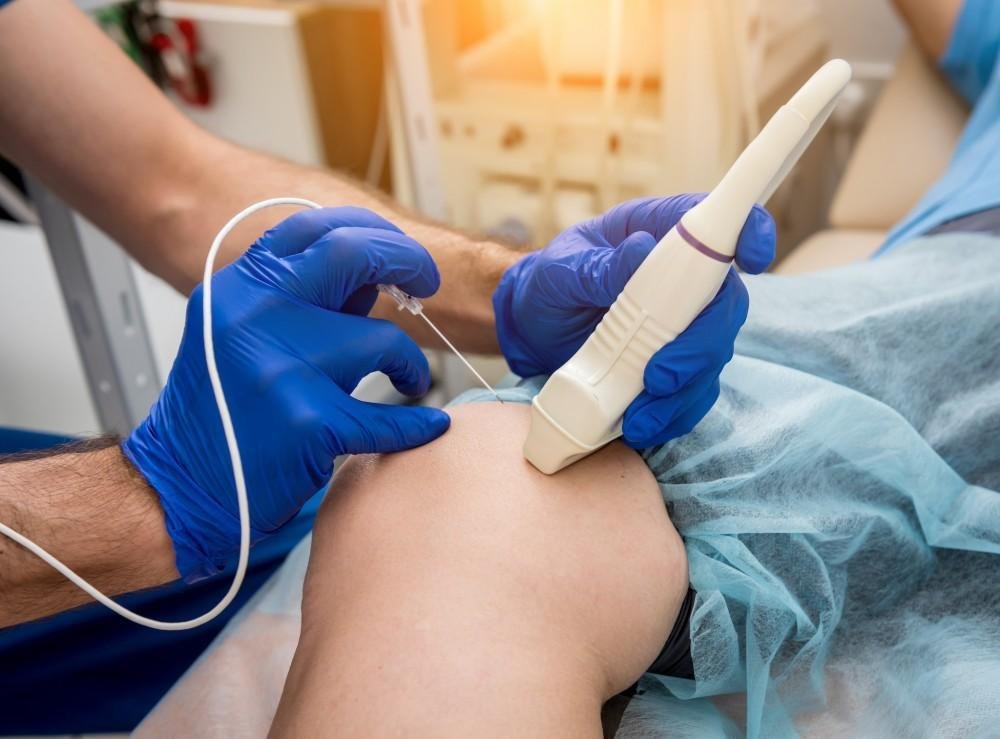
Radiofrequency ablation (RFA) is a minimally invasive procedure used to help manage persistent knee pain by targeting the sensory nerves that carry pain signals from the joint to the brain.
During the procedure, a specialised probe delivers controlled radiofrequency energy to specific nerves around the knee. This creates a small area of heat that temporarily disrupts the nerve’s ability to transmit pain signals, which may reduce discomfort.
RFA does not treat the underlying joint condition or change the structure of the knee. Instead, it is designed to manage symptoms, which may help improve comfort and support participation in daily activities.
The procedure is typically considered for individuals with ongoing knee pain, often related to conditions such as arthritis, particularly when other non-surgical treatments have not provided sufficient relief.
The effects of RFA can vary between individuals, and pain relief may last for a period of time before nerve function gradually returns and assessment is important to determine whether this treatment may be appropriate based on your symptoms, diagnosis, and overall treatment goals.
Radiofrequency ablation (RFA) is used to help manage persistent knee pain by reducing the transmission of pain signals from the joint. The potential benefits can vary between individuals and depend on the underlying condition and response to treatment.
Potential benefits may include:
For some individuals, RFA may provide a period of symptom relief when other non-surgical treatments have not been effective or are no longer providing benefit.
It is important to note that outcomes can vary, and the procedure does not address the underlying structural changes within the knee. Pain relief may be temporary, as nerve function can gradually return over time. Dr Scott Tulloch will discuss whether this treatment may be appropriate for your individual condition and what you can reasonably expect based on your symptoms and treatment goals.
Radiofrequency ablation (RFA) is typically performed as a day procedure and does not usually require a hospital stay.
On the day of the procedure, you will be positioned comfortably, and the skin around the knee will be cleaned and numbed with local anaesthetic. In some cases, a light sedative may be used to help you relax. Using imaging guidance (such as X-ray or ultrasound), the surgeon will carefully place a specialised probe near the targeted sensory nerves around the knee. This ensures accurate positioning and helps protect surrounding structures.
Once the probe is in place:
The procedure is usually completed within 30 to 60 minutes, depending on the number of nerves being treated.
After the procedure, the probe is removed and a small dressing is applied to the skin. You will be monitored for a short period before going home the same day.
Recovery after radiofrequency ablation (RFA) is usually quick and gradual, with most patients able to return home on the same day and resume light activities soon after the procedure. It is common to experience some mild discomfort, swelling, or bruising around the treatment area in the first few days. This can usually be managed with simple pain relief, ice, and rest.
Many patients are able to return to normal daily activities within a few days, although it is generally recommended to avoid strenuous activity for a short period while the area settles.
Pain relief from the procedure is not always immediate. In some cases, symptoms may take several weeks to improve, as the targeted nerves gradually stop transmitting pain signals.
Over time, you may notice:
The duration of symptom relief can vary between individuals, and nerve function may gradually return over time.
Follow-up may be arranged to monitor your response to treatment and guide any additional management if required.

Radiofrequency ablation (RFA) is generally considered a minimally invasive procedure, but as with any medical treatment, there are potential risks and side effects to be aware of.
Common, usually short-term effects may include:
These symptoms typically settle as the area heals.
Less common risks may include:
It is also important to understand that RFA does not treat the underlying cause of knee pain, and symptom relief may be temporary, as the targeted nerves can gradually recover over time. Your individual risk profile can vary depending on your overall health and medical history. Dr Tulloch will discuss the potential risks and expected outcomes in the context of your condition, helping you make an informed decision about your care.
If ongoing knee pain is affecting your daily activities or quality of life, and you are not considering surgery at this stage, radiofrequency ablation may be discussed as a potential option. During your consultation, Dr Scott Tulloch will perform a thorough assessment of your symptoms, medical history, and previous treatments. He will then discuss whether this procedure may be appropriate for your individual condition and treatment goals.
Radiofrequency ablation is not suitable for everyone, and outcomes can vary. The aim is to determine whether this treatment may help manage your symptoms and support your overall function.