
Knee Malalignment (Bowlegs or Knock Knees)
Alignment differences of the knee affecting load distribution, movement, and joint health
Knee malalignment refers to a variation in the way the thigh bone (femur) and shin bone (tibia) align, which can affect how weight is distributed through the knee joint. The most common patterns are bowlegs (varus alignment), where the knees sit further apart, and knock knees (valgus alignment), where the knees angle inward.
These alignment differences can be present from childhood development or develop over time due to factors such as growth patterns, previous injury, or joint changes. In many cases, mild variations are normal and may not cause symptoms.
Assessment is important to determine the degree of alignment and whether it is contributing to your symptoms, helping guide appropriate management to support knee function and long-term joint health.

What is knee malalignment (bowlegs and knock knees)?
Knee malalignment refers to a variation in how the thigh bone (femur) and shin bone (tibia) line up, which affects how weight is distributed through the knee joint.
The two most common patterns are:
- Bowlegs (varus alignment), where the knees sit further apart and more load passes through the inner (medial) side of the knee
- Knock knees (valgus alignment), where the knees angle inward and more load is placed on the outer (lateral) side of the joint
Mild alignment differences can be normal, particularly during growth in children, and may not cause any symptoms. In adults, alignment can change over time due to factors such as joint wear, previous injury, or underlying conditions. When the alignment places uneven stress across the knee, it can affect how the joint functions. Over time, this may contribute to pain, changes in movement, and increased wear in certain areas of cartilage.
Knee malalignment can affect one or both legs and may influence activities such as walking, standing, or sport, depending on its severity.
Common causes of knee malalignment
Knee malalignment can develop due to a range of factors that influence how the bones, joints, and surrounding structures align and bear load over time. In some cases, alignment differences are present from a young age, while in others they develop later in life.
Common causes include:
- Normal growth and development, where temporary alignment changes may occur during childhood
- Genetic or inherited factors, which can influence bone shape and alignment
- Previous injury, such as fractures or ligament injuries, which may alter joint alignment or stability
- Joint wear and degeneration, including osteoarthritis, which can lead to changes in alignment over time
- Uneven cartilage loss, causing one side of the joint to narrow more than the other
- Bone or structural changes, affecting the shape or position of the femur or tibia
Additional contributing factors may include:
- Muscle imbalance or weakness, which can influence joint control and loading patterns
- Repetitive stress or high-impact activity, which may contribute to gradual changes in joint mechanics
In many cases, knee malalignment develops due to a combination of these factors rather than a single cause.
Symptoms of knee malalignment
Symptoms of knee malalignment can vary depending on the degree of alignment change and how it affects load distribution through the joint. Some people may have no symptoms, while others develop discomfort over time.
Common symptoms include:
- Knee pain, often localised to the inner or outer side of the joint
- Discomfort with activity, particularly during walking, standing, or sport
- A feeling of fatigue or aching around the knee after prolonged activity
- Swelling, especially after increased load or exercise
- Reduced range of motion or stiffness
In some cases, you may also notice:
- A visible difference in leg alignment, such as bowing or inward angling of the knees
- Changes in your walking pattern (gait)
- Increased strain on surrounding areas, including the hips or ankles
Over time, uneven loading across the knee can contribute to cartilage wear, which may lead to more persistent symptoms. If symptoms are present or affecting your activity levels, further assessment can help determine whether alignment is contributing to your condition and guide appropriate management.
Risk factors for knee malalignment
A number of factors can increase the likelihood of developing knee malalignment, particularly those that influence bone development, joint health, and how forces are distributed through the knee.
Common risk factors include:
- Genetic or inherited factors, which can influence bone shape and natural alignment
- Growth-related changes during childhood and adolescence
- Previous knee injury, such as fractures or ligament injuries, which may alter joint structure or stability
- Degenerative joint changes, including osteoarthritis, which can lead to gradual shifts in alignment
- Uneven cartilage wear, affecting how load is shared across the joint
- Excess body weight, which can increase stress on the knee over time
Additional contributing factors may include:
- Muscle weakness or imbalance, particularly in the quadriceps and hip muscles
- Poor movement patterns, which may place uneven forces through the joint
- Repetitive loading or high-impact activity, which can influence joint mechanics over time
In many cases, knee malalignment develops due to a combination of these factors rather than a single cause.
Treatment options for knee malalignment
Management of knee malalignment (bowlegs or knock knees) is tailored to your symptoms, degree of alignment, joint condition, and activity goals. Treatment may be non-surgical or surgical, depending on how the alignment is affecting your knee function. Non-surgical treatment options are often considered first, particularly for mild to moderate alignment changes or when symptoms are manageable.
These may include:
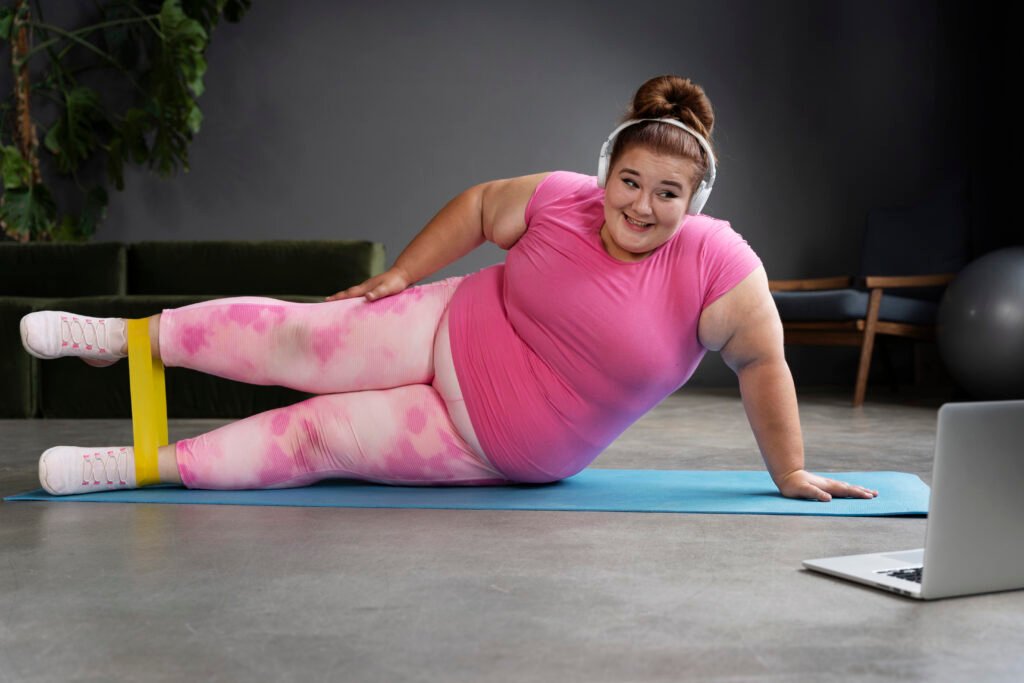
- Physiotherapy, focusing on strengthening the quadriceps, hamstrings, and hip muscles to support joint stability
- Activity modification, reducing movements that place excessive load on the knee
- Weight management, where appropriate, to reduce stress on the joint
- Bracing or orthotics, in selected cases, to help support alignment and reduce symptoms
- Pain relief medications and anti-inflammatory treatments
These approaches aim to improve symptoms and joint function, although they do not change the underlying bone alignment. If symptoms persist or alignment is contributing to uneven joint wear or progressive pain, surgical treatment options may be considered.
These can include:
- Osteotomy, a procedure that involves realigning the bones to redistribute load more evenly across the knee
- Knee replacement surgery, in more advanced cases where there is significant joint damage
The most appropriate treatment depends on factors such as the degree of malalignment, cartilage condition, age, and activity level. Dr Scott Tulloch will assess your knee and guide you through the most suitable treatment options, helping you make an informed decision based on your individual condition and long-term goals.
When to seek medical advice for knee malalignment
It is appropriate to seek medical advice if you notice changes in the alignment of your legs or are experiencing knee pain or discomfort that is affecting your daily activities or mobility.
You may benefit from an assessment if you notice:
- Persistent knee pain, particularly on the inner or outer side of the joint
- A visible change in leg alignment, such as bowing (bowlegs) or inward angling (knock knees)
- Pain with walking, standing, or activity
- Swelling or stiffness in the knee
- A feeling of fatigue or aching in the knee after activity
It is particularly important to seek review if:
- Symptoms are progressively worsening over time
- You are experiencing difficulty walking or maintaining activity levels
- There is concern about increasing joint wear or degeneration
In children and adolescents, some degree of alignment variation can be part of normal development. However, assessment may be helpful if the alignment is pronounced, persistent, or associated with pain or functional limitation. Early evaluation can help determine whether knee malalignment is contributing to your symptoms and guide appropriate management to support joint function and long-term knee health.
Dr Scott Tulloch will perform a comprehensive assessment, which may include imaging where appropriate, to evaluate alignment and discuss suitable treatment options based on your individual needs.