
Hip Bursitis and Gluteal Tendinopathy
Inflammation of the hip bursa and tendon irritation causing outer hip pain and reduced movement
Hip bursitis and gluteal tendinopathy are common causes of pain on the outside of the hip, often affecting activities such as walking, climbing stairs, or lying on your side.
The hip contains small fluid-filled sacs called bursae, which help reduce friction between bones and surrounding soft tissues. When these become irritated or inflamed, it is referred to as bursitis. At the same time, the gluteal tendons, which attach important hip muscles to the outer part of the hip, can become overloaded or degenerate, leading to tendinopathy.
These conditions frequently occur together and may develop gradually over time due to repetitive strain, muscle imbalance, or changes in movement patterns. In some cases, they can also be triggered by a minor injury or increased activity levels. Symptoms can range from mild discomfort to more persistent pain, often affecting your ability to stay active, sleep comfortably, or perform everyday movements.
Early assessment can help identify the underlying cause of your symptoms and guide appropriate management, supporting your mobility and function over time.
- Causes of hip bursitis and gluteal tendinopathy
- Symptoms of hip bursitis and gluteal tendinopathy
- Risk factors for hip bursitis and gluteal tendinopathy
- How hip bursitis and gluteal tendinopathy are diagnosed
- Treatment options for hip bursitis and gluteal tendinopathy
- When to seek medical advice for hip bursitis and gluteal tendinopathy
Causes of hip bursitis and gluteal tendinopathy
These conditions can result from a variety of causes, including:
- Repetitive Movements and Overuse: Repetitive activities like running, walking, or stair climbing can cause strain on the hip tendons and bursae, leading to irritation or small tears.
- Trauma or Injury: A sudden fall or direct impact to the hip can cause bursitis or a tear in the gluteal tendons. This type of injury is common in athletes and people who participate in high-impact sports.
- Muscle Imbalance or Weakness: Weakness in the hip muscles can cause an imbalance in how the joint is loaded, leading to excessive strain on the tendons or bursae.
- Prolonged Pressure on the Hip: Activities like sitting or lying on one side for extended periods can place excessive pressure on the bursae, leading to bursitis.
- Tendon Degeneration: Gluteal tendinopathy can develop as a result of age-related wear and tear on the tendons, leading to thickening, scarring, and reduced tendon elasticity.
- Poor Biomechanics: Abnormal walking patterns, flat feet, or misalignment of the hip, knee, or ankle joints can place additional stress on the tendons and bursae, increasing the risk of injury.
Symptoms of hip bursitis and gluteal tendinopathy
The symptoms of hip bursitis, gluteal tears, and tendinopathy may vary depending on the specific condition and severity of the injury. Common symptoms include:
- Pain on the Outer Side of the Hip: Pain is typically felt on the side of the hip (greater trochanter) and may worsen when lying on the affected side.
- Pain with Movement: Activities like walking, climbing stairs, running, or standing for extended periods may worsen the pain.
- Stiffness and Limited Range of Motion: Pain and inflammation can limit your ability to rotate, bend, or move the hip freely.
- Pain When Lying on the Affected Side: Many people with hip bursitis or gluteal tears report discomfort when sleeping or resting on the affected hip.
- Hip Weakness: Damage to the gluteal tendons may lead to weakness in the hip muscles, affecting stability and balance.
- Swelling and Tenderness: The area around the hip may feel swollen, warm, or tender to the touch, especially in cases of bursitis.
If you experience any of these symptoms, particularly if they persist or worsen, you may benefit from seeking medical advice to prevent further joint or tendon damage.
Risk factors for hip bursitis and gluteal tendinopathy
Some factors that increase the likelihood of developing these conditions include:
- Age: Tendon degeneration increases with age, making older adults more prone to gluteal tendinopathy and tendon tears.
- Female Gender: Women are more likely to develop gluteal tendinopathy due to differences in pelvic structure, which can increase stress on the hip tendons.
- Overuse and Repetitive Activities: High-impact sports like running, cycling, or hiking place repeated strain on the hip tendons and bursae.
- Muscle Weakness or Imbalance: Weakness in the hip, gluteal, or core muscles can increase the load on the gluteal tendons and bursae, leading to overuse injuries.
- Occupation and Lifestyle Factors: Jobs or hobbies that require prolonged standing, walking, or stair climbing can place excess strain on the hip joint.
- Poor Biomechanics: Issues like leg length differences, flat feet, or misaligned hip joints can create uneven pressure on the tendons and bursae, increasing the risk of injury.
- Prior Hip Injury: People with a history of hip dislocations, fractures, or past injuries may be more susceptible to gluteal tears or hip bursitis.
Being aware of these risk factors can help you take proactive measures to reduce your risk of developing these conditions.
How hip bursitis and gluteal tendinopathy are diagnosed
Diagnosing hip bursitis and gluteal tendinopathy involves a combination of your symptoms, clinical examination, and imaging, helping to identify the source of pain on the outside of the hip.
Your assessment will begin with a detailed discussion about your pain, activity levels, and how your symptoms affect daily movement. These conditions often present with pain over the outer hip, which may worsen with walking, climbing stairs, prolonged standing, or lying on the affected side. A clinical examination is then performed to assess tenderness, range of motion, muscle strength, and hip stability. Applying pressure over the outer hip and performing specific movements can help reproduce symptoms and differentiate between bursal inflammation and tendon-related pain.
Imaging may be used to support the diagnosis and rule out other causes of hip pain:
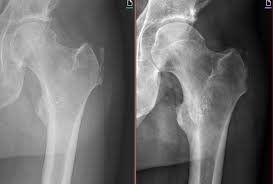
- X-rays may be used to assess the hip joint and exclude arthritis or structural abnormalities
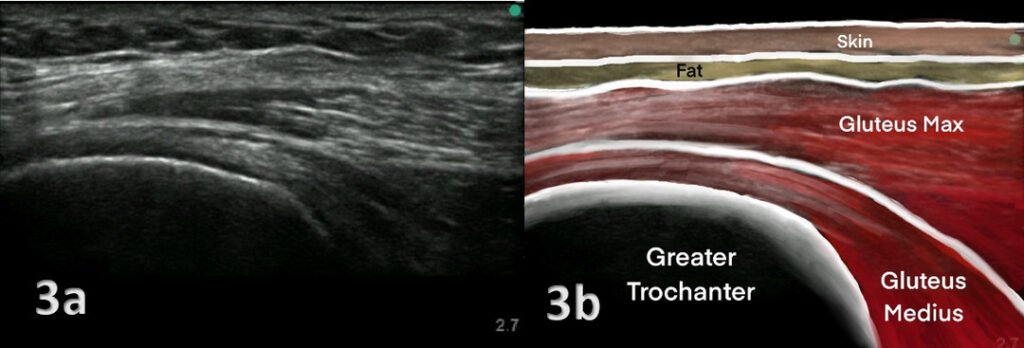
- Ultrasound can help identify inflammation of the bursa and changes in the gluteal tendons
- MRI scans provide detailed imaging of the soft tissues, helping detect tendinopathy, partial tears, or more complex conditions
In some cases, a diagnostic injection may be used to help confirm the source of pain by temporarily relieving symptoms in a specific area.
A clear and accurate diagnosis is important to guide appropriate treatment and ensure that contributing factors are addressed.
Treatment options for hip bursitis and gluteal tendinopathy
Management of hip bursitis and gluteal tendinopathy is tailored to your symptoms, activity level, and underlying contributing factors. In most cases, treatment is non-surgical, with a focus on reducing pain and improving hip function.
Non-surgical treatment options are typically the first step and may include:
- Activity modification, reducing movements that place repeated stress on the outer hip, such as prolonged standing, crossing legs, or lying on the affected side
- Physiotherapy, focusing on improving hip strength, muscle control, and movement patterns, particularly targeting the gluteal muscles
- Pain relief medications and anti-inflammatory treatments, where appropriate
- Load management strategies, helping you gradually return to activity without overloading the tendons
- Use of cushions or positioning strategies to reduce pressure on the hip during sleep
In some cases, injection therapy may be considered:
- Corticosteroid injections may help reduce inflammation in the bursa and provide temporary symptom relief
- Other injection options may be discussed depending on your condition and response to initial treatment
For the majority of patients, symptoms improve with a structured rehabilitation program over time.
If symptoms persist despite appropriate non-surgical management, or if there is a significant tendon tear, surgical treatment may be considered in selected cases. This may involve repair of the gluteal tendons or procedures to address contributing factors.
The most appropriate treatment depends on your individual presentation, severity of symptoms, and response to initial care.
When to seek medical advice for hip bursitis and gluteal tendinopathy
It is appropriate to seek medical advice if you are experiencing persistent pain on the outside of the hip, particularly if it is affecting your daily activities, sleep, or ability to stay active.
You may benefit from an assessment if you notice:
- Pain over the outer hip that worsens with walking, climbing stairs, or prolonged standing
- Discomfort when lying on the affected side, especially at night
- Tenderness to touch over the side of the hip
- Pain that persists despite rest or simple measures
- Symptoms that gradually worsen over time or begin to limit your mobility
In some cases, symptoms may be mild initially and mistaken for general muscle soreness. If pain continues or begins to interfere with your function, exercise, or quality of life, further assessment can help identify the cause.
Early evaluation may assist in guiding appropriate treatment, particularly if there are contributing factors such as tendon overload, weakness, or movement patterns that can be addressed.
Dr Scott Tulloch will perform a comprehensive assessment, which may include imaging such as ultrasound or MRI, to determine the source of your symptoms and discuss suitable management options based on your individual needs.