
Total Hip Replacement (Arthroplasty)
A surgical option to help relieve pain and improve movement in your hip
Your hip joint plays an important role in everyday movement, including walking, climbing stairs, sitting and standing. When the joint is affected by arthritis, injury or other conditions, it can lead to ongoing pain, stiffness and reduced mobility that may begin to impact your quality of life.
Total hip replacement, also known as hip arthroplasty, is a procedure that involves replacing the damaged parts of the hip joint with artificial components designed to restore smooth movement of the joint. This procedure may be considered when non-surgical treatments are no longer providing sufficient relief and your symptoms are affecting your ability to carry out daily activities comfortably.
Dr Scott Tulloch provides a thorough assessment and personalised treatment planning for patients experiencing hip pain. Where appropriate, he offers total hip replacement using the Anterior Approach, tailored to your individual anatomy, condition and recovery goals.
- Signs you may need a hip replacement
- When hip replacement may be recommended
- When hip replacement may not be suitable
- Surgical approaches for total hip replacement
- Planning your hip replacement using personalised technology
- Hip replacement implants: what is used and why
- Understanding the risks and considerations of hip replacement
- Potential benefits of hip replacement surgery
- Pain management after hip replacement surgery
- Recovery after total hip replacement surgery
- Post-operative precautions after hip replacement
- Looking after your hip replacement long term
- Self-funding your hip replacement: options for patients without private health insurance
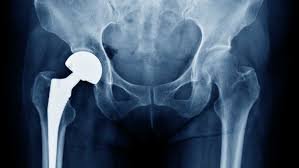
Signs you may need a hip replacement
Deciding on hip replacement surgery is a significant step, usually considered when severe hip pain and restricted movement profoundly affect your quality of life. Understanding the conditions that may lead to surgery is essential, as it helps in recognising the symptoms and diagnoses that might indicate the need for a hip replacement:
- Osteoarthritis: This is often the most common reason for hip replacement. Osteoarthritis involves the breakdown of cartilage in the hip joint, resulting in pain, stiffness, and reduced mobility.
- Rheumatoid Arthritis: As an autoimmune disorder, rheumatoid arthritis causes chronic joint inflammation. This can lead to significant damage and pain in the hip, making replacement surgery a possible solution.
- Avascular Necrosis: When blood flow to the hip bone is reduced, avascular necrosis may occur, leading to bone deterioration and severe pain, often requiring hip replacement.
- Hip Fractures: Especially in older adults, hip fractures may necessitate a hip replacement to restore joint function and relieve pain.
- Congenital Hip Dysplasia: If you were born with abnormalities in your hip joints, you may experience pain and instability. Hip replacement surgery may become necessary if other treatments are unsuccessful.
- Post-Traumatic Arthritis: Arthritis that develops after a significant hip injury or trauma can lead to joint damage, making hip replacement a viable option if other treatments have not provided relief.
- Other Conditions: Various other issues, such as certain bone tumours, infections in the hip joint, and systemic diseases affecting the joints, may also necessitate a hip replacement.
It’s important to understand that the decision to undergo hip replacement surgery is a personal one and varies from patient to patient. The choice is based on a thorough evaluation of your specific situation and how much your daily life and mobility are affected.
During your consultation, Dr Tulloch will conduct a comprehensive assessment of your condition. This includes a detailed discussion about your symptoms, an examination of your hip, and a review of your overall health and lifestyle. Together, with Dr Tulloch, you will explore whether hip replacement is the most effective way to improve your mobility, alleviate pain, and enhance your quality of life.
When hip replacement may be recommended
Deciding to undergo hip replacement surgery is a significant decision, influenced by various factors related to your health and lifestyle. Dr. Scott Tulloch takes a personalised approach to determine whether you are a suitable candidate for this procedure. Here are the key factors considered during your evaluation:

- Chronic Pain: Persistent hip pain that significantly affects your daily activities and does not respond to non-surgical treatments is a primary indicator. This pain may interfere with simple tasks such as walking, climbing stairs, or even resting.
- Limited Mobility: A reduced range of motion and stiffness that limits your ability to perform routine activities is another crucial factor. If you find it difficult to bend, rotate, or move your hip normally, hip replacement might be necessary.
- Quality of Life: If your hip condition severely impacts your quality of life, causing you to limit your social activities, hobbies, or work, you may be a candidate for hip replacement surgery. The goal is to restore your ability to engage in these activities without pain.
- Failed Conservative Treatments: Candidates for hip replacement are typically those who have tried and failed conservative treatments, such as medications, physiotherapy, or lifestyle modifications. If these treatments have not provided sufficient relief, surgery may be the next step.
- General Health: Your overall health plays a significant role in determining your suitability for surgery. Dr. Tulloch will assess your medical history, including any chronic conditions such as diabetes or heart disease, to ensure you can safely undergo the procedure.
- Weight: Maintaining a healthy weight is important for a successful hip replacement. Excess weight can put additional stress on the new hip joint, affecting its longevity and your recovery process.
- Bone Health: Strong, healthy bones are essential for the success of a hip replacement. Conditions like osteoporosis can affect the stability and integration of the hip implant.
- Age Considerations: While hip replacements are more common in older adults, younger individuals with severe hip damage may also be considered. The decision is based on the extent of hip degeneration and the impact on your life rather than age alone.
- Activity Level: Your desired activity level after surgery is also taken into account. Dr Tulloch will discuss your lifestyle goals and how a hip replacement can help you achieve them, whether you aim to return to sports or simply enjoy pain-free mobility.
- Mental and Emotional Health: Being mentally and emotionally prepared for surgery and the recovery process is crucial. Dr Tulloch ensures that you understand the procedure, the rehabilitation involved, and the realistic outcomes to help maintain a positive mindset and adherence to post-operative care.
While total hip replacement is commonly performed in older adults, younger patients with significant hip damage may also be suitable candidates. Dr Tulloch assesses each case individually, focusing on the extent of joint degeneration and how it affects your daily life, rather than age alone.
Your activity goals after surgery are also an important part of the discussion, whether you’re hoping to return to recreational activities or simply move without pain. Dr Tulloch will take the time to understand your lifestyle and guide you through what a hip replacement may realistically offer. Being prepared both mentally and physically for surgery and recovery can play an important role in achieving a smoother outcome.
When hip replacement may not be suitable
While hip replacement surgery can provide substantial relief and restore mobility for many individuals, it is not the right choice for everyone. Several health conditions and factors may contraindicate the procedure, making it essential to thoroughly evaluate your overall health and specific circumstances before deciding on surgery.
Common Conditions That May Prevent Immediate Hip Replacement Surgery
- Active Infections: If you have an active infection anywhere in your body, particularly around the hip joint, surgery is generally postponed. Infections pose a high risk of spreading and can complicate the healing process, potentially leading to severe complications.
- Severe Medical Conditions: Individuals with uncontrolled chronic health issues such as advanced heart disease, severe diabetes, or serious respiratory conditions may not be suitable candidates for hip replacement. These conditions elevate the risks associated with anaesthesia and surgery and may impede recovery.
- Weakened Immune System: A compromised immune system, whether due to conditions like HIV/AIDS or the use of immunosuppressant medications, can increase the risk of post-operative infections and slow down the healing process.
- Severe Osteoporosis: Significant bone density loss, such as in severe osteoporosis, can undermine the stability and fixation of the hip implant. In these cases, the bones may be too fragile to support the new joint effectively.
- Complex Joint Deformities: Severe deformities or significant anatomical abnormalities of the hip joint may complicate the surgery and affect the overall outcome. Dr Tulloch will carefully assess the severity of these conditions to determine whether surgery is the best option or if alternative treatments are more appropriate.
- Blood Clotting Disorders: Patients with bleeding or clotting disorders, such as haemophilia, may face increased risks during surgery. Comprehensive management and assessment by a haematologist are often necessary to evaluate the safety and feasibility of proceeding with the procedure.
- Excessive Body Weight: Obesity can put additional stress on the hip joint, both during surgery and throughout the recovery period. Being significantly overweight may also increase the likelihood of surgical complications and can impact the longevity of the hip implant.
- Severe Neurological Conditions: Neurological disorders, such as Parkinson’s disease or severe neuropathy, can impair your ability to follow rehabilitation protocols after surgery, which is crucial for a successful recovery.
- Mental and Emotional Health: Psychological readiness is vital for the success of hip replacement surgery. Severe depression, anxiety, or cognitive impairments can interfere with your ability to comply with post-operative care instructions and engage effectively in rehabilitation. A stable mental and emotional state is crucial for a smooth recovery.
- History of Non-Compliance: A history of not adhering to medical advice or rehabilitation protocols may be a contraindication for hip replacement surgery. Compliance with post-operative care is critical for achieving the best possible outcomes.
- Substance Abuse Issues: Ongoing issues with drug or alcohol abuse can interfere with both the surgical procedure and the recovery process. It’s important to address and manage these issues before considering hip replacement surgery.
Dr Tulloch will carefully evaluate these and other factors during your consultation to ensure that hip replacement surgery is the safest and most effective option for you. The goal is to maximise the benefits of the surgery while minimising any potential risks.
Surgical approaches for total hip replacement
Total hip replacement surgery involves removing damaged or diseased portions of the hip joint and replacing them with prosthetic components. The choice of surgical technique is based on several factors, including your anatomy, the extent of joint damage, and the findings from your clinical assessment.
Here is an overview of the primary surgical techniques used in hip replacement:
The direct anterior approach (Anterior Minimally Invasive Surgery (AMIS)) is a minimally invasive technique that involves an incision made at the front of the hip. This method allows your surgeon to work between muscles and tissues without cutting through them, which can lead to a faster recovery, less post-operative pain, and a shorter hospital stay. This approach is particularly suitable for patients who prioritise a quick return to their normal activities. It does, however, require a high level of specialised training and extensive experience, both of which Dr Tulloch has meticulously developed through years of dedicated practice and advanced education.
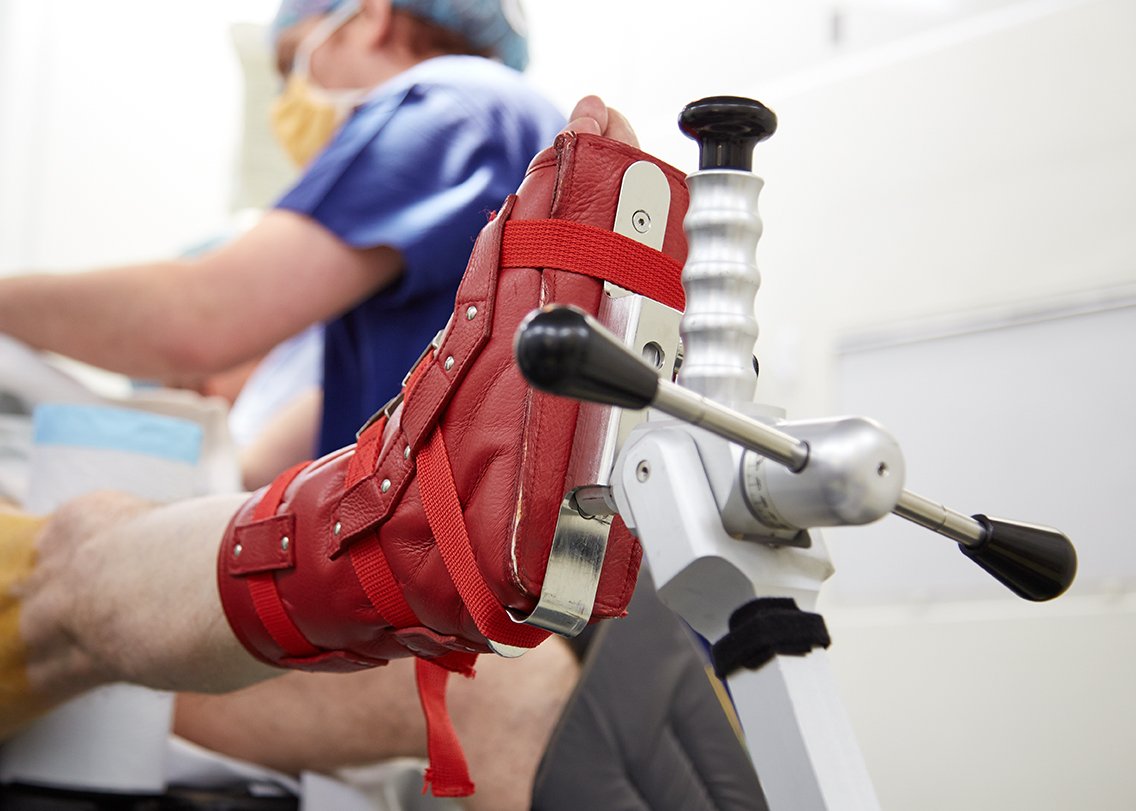
The posterior approach is one of the most widely used techniques in hip replacement surgery, primarily because it provides excellent visibility and access to the hip joint. This approach has become popular due to its versatility and the familiarity surgeons have with the technique. It’s important to note however, that being widely used doesn’t always mean it’s the best option for every patient. The posterior approach involves cutting through some muscles at the back of the hip, which are then carefully reattached during the procedure. With proper rehabilitation, patients can achieve a successful recovery of hip function.
Dr Tulloch may choose this technique in specific circumstances where the benefits of enhanced visibility of the hip joint outweigh other considerations, ensuring the best possible outcome for the patient.
The SuperPATH approach (short for superior percutaneously assisted total hip replacement) is a more recent variation of the posterior technique. It is designed to minimise tissue disruption by working between muscles rather than cutting through them. This can make the approach less invasive while still allowing access to the hip joint.
Unlike the traditional posterior method, the SuperPATH technique typically avoids detaching major muscles or tendons. This muscle-sparing approach may support faster recovery, reduced pain, and a lower risk of hip dislocation in some patients. It’s important to remember, however, that no single approach is best for everyone.
Dr Tulloch may recommend the SuperPATH approach for patients where tissue preservation is a priority and the anatomy is suitable, always aiming to tailor the procedure to each individual’s needs and goals.
The lateral approach involves an incision made on the side of the hip, offering good access to the hip joint while balancing stability with the preservation of some muscle function. This approach is often selected for patients with specific anatomical considerations or those who may be at a higher risk of hip dislocation. However, it is important to note that the lateral approach involves detaching and splitting the hip abductor muscles (gluteus medius and minimus), which can sometimes result in a permanent limp due to the muscles’ inability to fully stabilise the hip after surgery. Bone growths, or ossifications, may also develop in the damaged gluteal muscles.
Although recovery times may be slightly longer compared to the anterior approach, the lateral approach remains a reliable option for a wide range of patients, particularly when other techniques may not be suitable.
Dr Tulloch does not typically use this approach for his patients, preferring other methods that better align with his goal of optimising patient outcomes and minimising post-operative complications.
The anterolateral approach to hip replacement involves accessing the joint from the front and side of the hip. This technique aims to preserve muscle while still providing good visual access to the hip joint, making it a viable option for selected patients.
The approach typically works between muscle groups rather than cutting through them, particularly the gluteus medius and minimus. By preserving these important muscles, it may help maintain hip strength and support post-operative stability.
While the anterolateral approach avoids detachment of key tendons, it can place traction on surrounding muscles and nerves. For this reason, it is less commonly used in Australia but may be considered in specific cases where the benefits outweigh these risks.
Planning your hip replacement using personalised technology
Hip replacement surgery has seen remarkable advancements, significantly enhancing both its safety and effectiveness. Modern procedures now utilise advanced materials such as metals, ceramics, and highly cross-linked polyethylene, combined with cutting-edge surgical techniques. The introduction of robotic-assisted procedures, patient-specific technologies, and custom 3D-printed implants tailored to match each patient’s unique anatomy has further improved the potential to reduce recovery times and enhance functional outcomes for patients undergoing the procedure.
Dr Tulloch is at the forefront of these innovations, employing minimally invasive surgical techniques that prioritise patient recovery and long-term success. He particularly favours the anterior approach, known for its smaller incisions and reduced impact on surrounding tissues, which can result in quicker recovery and less post-operative pain. However, Dr Tulloch always adopts a personalised approach, carefully evaluating how each technique aligns with the specific anatomies and lifestyle needs of his patients. This ensures that every surgery is as effective and tailored as possible.
Some of the technologies Dr Tulloch may utilise in a total hip replacement surgical procedures include:
Patient-Specific Instrumentation (PSI) MyHip
Patient-specific hip replacement surgery (PSI), also known as a customised total hip replacement procedure, involves using advanced tools, to create a highly tailored surgical plan based on your unique anatomy. This approach utilises 3D imaging and specialised software to meticulously plan the placement and alignment of the hip implant components. By creating a detailed, virtual model of your hip, Dr. Tulloch can simulate the surgery ahead of time, aiming to match the size and orientation of the implant closely to your natural hip joint. This precise planning is designed to improve functionality, comfort, and overall surgical outcomes by reducing the likelihood of alignment issues during your procedure and ensuring that your new hip fits as naturally as possible.
How the patient-specific total hip replacement procedure works:
- Pre-Operative Scanning: The process begins with a pre-operative CT scan of your hip joint (at least 6 weeks before surgery). This scan provides detailed images that are used to create a virtual 3D model of your hip anatomy.
- 3D Preoperative Planning: Using specialised software, Dr Tulloch can plan the placement and alignment of the hip implant components based on your specific anatomy. The aim of this is to closely match the size and orientation of the implant to your natural hip joint, which may help improve functionality and comfort.
- Customised Surgical Guides: Based on the 3D model, customised surgical guides are created using 3D printing technology. These guides assist Dr. Tulloch during your procedure by helping to ensure that the implant is placed with a high degree of accuracy. The customisation provided by these guides facilitates the precise placement of your hip implant, ensuring it fits securely and is unaffected by any movements during surgery. This adaptability allows the technology to be finely tuned to your unique needs, potentially improving the accuracy of implant sizing and positioning.
Robotic-Assisted Hip Replacement
Robotic-assisted surgery represents a significant advancement in the field of hip replacements, offering a highly precise approach to the procedure. This technology allows for the creation of a detailed 3D model of the patient’s hip, enabling Dr Tulloch to carefully plan the surgery and position the implant with a high degree of accuracy. By enhancing the precision of implant placement, this method aims to improve the alignment of the hip components, which may contribute to favourable long-term outcomes and help reduce the risk of complications.
This advanced technique involves:
- Enhanced Precision: Robotic systems assist in the accurate placement of implants, improving the alignment and fit of the artificial components.
- Customised Planning: Pre-operative planning with 3D imaging allows for a personalised surgical approach tailored to the patient’s unique anatomy.
- Potentially Improved Outcomes: The use of robotic technology can contribute to improved joint function and longevity of the hip implant.
While robotic-assisted surgery offers many potential benefits, it is important to note that, like any surgical procedure, it is not without risks. Patients should discuss the potential risks and benefits with Dr Tulloch to make an informed decision. Recovery times can vary depending on the individual, but the goal is always to facilitate a safe and effective return to daily activities. Dr Tulloch and his team will provide comprehensive post-operative care and rehabilitation advice to support a smooth recovery process.
Both the use of patient-specific instruments (PSI) and robotic tools highlight Dr Tulloch’s commitment to excellence in hip replacement surgery. By integrating these advanced technologies, Dr. Tulloch ensures that your treatment plan is meticulously tailored to your unique needs, with the aim of restoring your mobility and enhancing your quality of life.
Hip replacement implants: what is used and why
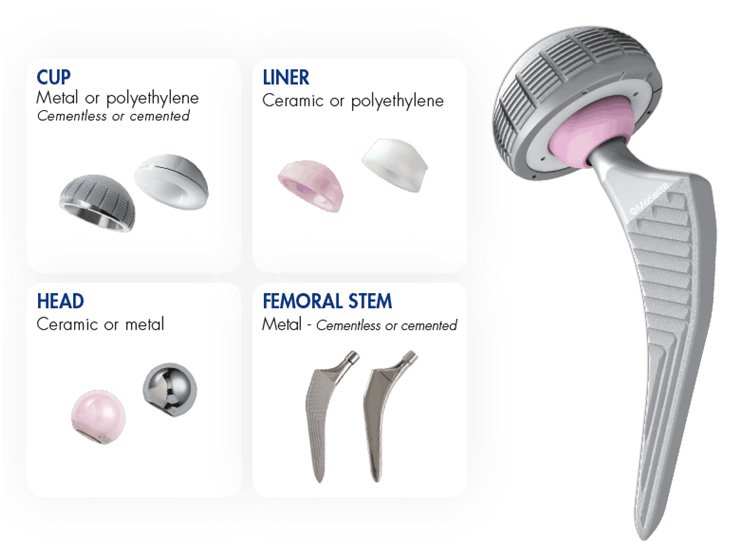
In hip replacement surgery, selecting the appropriate prosthetic implant is crucial as it significantly impacts the success of the procedure, your recovery, and your future mobility. Prosthetic hip implants are sophisticated devices designed to replicate the natural movement of the hip joint. They consist of several key components: the acetabular component (hip socket), the femoral component (thigh bone end), and the articular interface (the surface that enables smooth joint movement).
Each component is engineered for durability, functionality, and biocompatibility, with the goal of restoring hip function and alleviating pain.
Femoral Component
The femoral component is the part of the hip replacement that fits within your thigh bone (femur). It consists of a metal stem that is inserted into the central canal of the bone and forms the foundation of the artificial hip joint.
This component is designed to achieve a secure fit within the femur, either through a press-fit technique, where the implant is held firmly in place and allows bone to grow onto its surface, or in some cases using bone cement to provide immediate fixation. Over time, the aim is for the implant to achieve long-term stability and support within the bone.
Modern femoral components are carefully engineered with features such as specialised surface textures or coatings that encourage bone integration, helping the implant bond with your natural bone. This can support durability, stability, and long-term performance of the hip replacement.
The shape and design of the stem are also important. They are developed to match the natural anatomy of the femur, allowing for even distribution of load through the bone and supporting normal joint mechanics. This may help reduce stress on the surrounding bone and contribute to the overall function of the hip.
Dr Scott Tulloch selects the most appropriate femoral component based on your individual anatomy, bone quality, and activity level, ensuring the implant is suited to your specific needs and surgical goals.
Acetabular Component
The acetabular component replaces the socket of your hip joint (acetabulum). It consists of a metal cup that is fitted into the pelvis and forms one half of the new joint, working together with the femoral head to allow smooth, controlled movement.
This component is designed to achieve secure fixation to the bone and to house a liner, which is typically made from highly durable polyethylene (medical-grade plastic) or ceramic. The liner creates a smooth, low-friction surface that allows the joint to move efficiently while helping to reduce wear over time.
Most modern acetabular components are inserted using a press-fit technique, where the cup is carefully positioned within the bone to achieve immediate stability. The outer surface of the implant is often textured or coated to encourage bone growth onto the implant, supporting long-term fixation without the need for bone cement in many cases.
The design of the cup is modular, allowing the liner to be selected based on your age, activity level, and joint requirements. Different bearing combinations, such as ceramic-on-polyethylene, may be used to balance durability, stability, and wear characteristics.
Careful positioning of the acetabular component is important to support joint stability and range of motion, and to reduce the risk of complications such as dislocation or uneven wear.
Dr Scott Tulloch will select the most appropriate acetabular component and liner combination based on your individual anatomy, bone quality, and lifestyle, ensuring the implant is tailored to your specific needs and surgical goals.
Articular Interface
The articular interface refers to the moving surfaces of your hip replacement, specifically the femoral head (ball) and the liner within the acetabular cup (socket). Together, these components create a smooth, low-friction surface that allows the hip to move comfortably and efficiently, helping to replicate the function of a natural joint.
The femoral head is typically made from ceramic or metal, while the liner is commonly made from highly durable polyethylene (medical-grade plastic) or ceramic. The combination of these materials plays an important role in how the joint performs over time, influencing factors such as wear characteristics, durability, and joint stability.
One commonly used combination is a ceramic femoral head with a highly cross-linked polyethylene liner. This pairing is designed to provide low wear rates and long-term durability, and is widely used across a range of patient age groups and activity levels.
The selection of the articular interface is carefully considered based on your age, activity level, bone quality, and overall health. These factors help guide the choice of materials to support the function and longevity of your hip replacement.
Understanding the risks and considerations of hip replacement
Hip replacement surgery is a highly effective procedure for alleviating pain and restoring mobility in patients with severe hip joint damage. Like any major surgical procedure however, it comes with certain risks.
Here are the key risks associated with hip replacement surgery:
- Risk of Infection: Although uncommon, infections can occur at the incision site or within the hip joint itself. Such infections may require further treatment, including antibiotics or additional surgery. Dr Tulloch follows strict sterilisation protocols and provides careful post-operative care to minimise this risk.
- Blood Clots (Thrombosis): Blood clots can form in the veins of the leg (deep vein thrombosis) or, more rarely, travel to the lungs (pulmonary embolism). These conditions can be serious and require immediate attention. Preventative measures, such as blood-thinning medications and compression devices, are used to reduce this risk.
- Implant Loosening or Wear: Over time, the hip implant may wear out or become loose, potentially causing pain and affecting hip function. This is more likely in patients who engage in high-impact activities or have higher body weight. The modern implants used by Dr Tulloch are designed for durability, but revision surgery may be necessary in the future.
- Dislocation: There is a risk of the hip joint dislocating if the ball comes out of the socket, particularly in the early stages of recovery. Dr Tulloch employs advanced techniques to enhance joint stability and reduce this risk, especially during the critical healing period.
- Nerve or Blood Vessel Damage: During surgery, there is a possibility of injuring the nerves or blood vessels near the hip joint, which can result in numbness, weakness, or circulatory issues. Dr Tulloch’s precise surgical approach aims to minimise the risk of such complications.
- Leg Length Discrepancy: Some patients may notice a difference in leg length after surgery. Dr Tulloch takes great care to equalise leg lengths during the procedure, though minor discrepancies can occur. Post-surgical physiotherapy often helps address any resulting issues.
- Allergic Reactions: In rare cases, patients may have allergic reactions to the materials used in the implants. Dr Tulloch conducts thorough assessments to identify any potential allergies and selects the most appropriate materials for each patient.
- General Surgical Risks: As with any surgery, there are risks associated with anaesthesia and the body’s healing process, including adverse reactions to anaesthesia, bleeding, and wound healing complications. Comprehensive pre-operative assessments and vigilant post-operative monitoring are in place to manage these risks.
- Long-Term Risks: Even after a successful hip replacement, there are long-term risks such as implant wear and the potential need for revision surgery. Regular follow-up appointments with Dr Tulloch help detect and manage any issues early.
Dr Tulloch is committed to providing the highest standard of care by focusing on reducing these risks through careful patient selection, advanced surgical techniques, and thorough post-operative care.
Potential benefits of hip replacement surgery

Hip replacement surgery is performed to address joint damage that is causing pain, stiffness, and reduced mobility. For many patients, the procedure may lead to meaningful improvements in how the hip feels and functions, although outcomes can vary between individuals.
Potential benefits may include:
- Reduction in hip pain, particularly pain that limits daily activities or sleep
- Improved mobility and range of motion, making it easier to walk, sit, and move comfortably
- Greater ability to perform everyday tasks, such as getting in and out of chairs, climbing stairs, or putting on shoes
- A return to low-impact activities, including walking, swimming, or cycling
- Improved joint stability, depending on the condition being treated
- Enhanced overall function and independence in day-to-day life
For many patients, these changes may contribute to an improvement in quality of life, particularly when symptoms have been ongoing and difficult to manage with non-surgical treatment.
It is important to understand that outcomes can vary based on factors such as your overall health, the condition of your joint, and your commitment to rehabilitation after surgery.
Pain management after hip replacement surgery
Effective pain management is a vital part of the recovery process following total hip replacement surgery. Dr Tulloch adopts a comprehensive, multimodal approach to ensure that your discomfort is minimised, allowing you to focus on regaining mobility and returning to your daily activities as smoothly as possible.
Here’s an overview of the pain management strategies that may be utilised:
Pre-Emptive Analgesia: Before surgery, you may receive medications designed to reduce pain and inflammation. This proactive approach can help lessen the intensity of pain immediately following the procedure.
Anaesthesia: During the surgery, a combination of a low-dose spinal anaesthetic, a nerve block, and a light general anaesthetic is often used. This combination effectively manages pain during the procedure and provides extended relief in the immediate postoperative period.
- Medications: A variety of medications may be prescribed to manage pain after surgery, including:
Nonsteroidal Anti-Inflammatory Drugs (NSAIDs): Help reduce inflammation and pain.
Opioids: May be prescribed for short-term use to manage more intense pain.
Acetaminophen: Often used alongside other medications for additional pain relief.
Nerve Pain Medications: Medications like gabapentin or pregabalin may be used to manage nerve-related pain.
- Multimodal Pain Management: Combining different types of pain relief can be more effective than using a single method. This approach targets various pain pathways, providing comprehensive pain control with fewer side effects.
- Nerve Blocks: A nerve block may be administered during surgery to provide extended pain relief. This involves injecting a local anaesthetic near the nerves supplying the hip, helping to numb the area and reduce postoperative pain.
- Ice Therapy: Applying ice packs to the surgical area can help reduce swelling and numb pain. Cold therapy is usually recommended at regular intervals during the initial days after surgery.
- Compression Shorts: Post-operative compression shorts are specifically designed to support recovery after total hip replacement surgery. These shorts fit snugly like bike shorts and feature strategically placed pockets over the surgical incision sites, suitable for all surgical approaches. The pockets are designed to hold ice packs, allowing for targeted cooling therapy to reduce swelling around the surgical site and incorporate compression strips that apply gentle, consistent pressure over the incision areas, which can help reduce swelling and support healing by promoting better circulation.
See here: www.poc-wear.com
- Physiotherapy | Early Mobilisation: Gentle movements and exercises soon after surgery can help manage pain and improve circulation. Physiotherapists will guide you through a personalised exercise plan designed to enhance recovery while minimising discomfort.
Supportive Devices | Walking Aids: Using crutches or a walker initially can help reduce pressure on the new hip joint, alleviating pain as you begin to move around.
Follow-Up Appointments: Regular follow-ups with Dr Tulloch are essential to monitor your pain levels and adjust your pain management plan as needed, ensuring that your recovery progresses smoothly
By implementing a comprehensive and individualised pain management plan, Dr. Tulloch aims to ensure your comfort and support a faster, smoother recovery following total hip replacement surgery. The goal is to minimise pain, enhance your mobility, and help you return to your normal activities as quickly and safely as possible.
Recovery after total hip replacement surgery
Recovery after total hip replacement surgery marks the beginning of your return to movement, independence, and daily activities. While every patient’s recovery is different, there is a structured pathway that guides your progress from hospital to full recovery.
Immediately after surgery
After your procedure, you will be monitored in the recovery unit as the effects of anaesthesia wear off. An X-ray is typically performed to confirm the position of the implant.
Once stable, you will return to the ward where the focus shifts to early recovery and mobilisation.
- You will be encouraged to eat, drink, and stay hydrated
- Compression stockings and, in some cases, foot pumps may be used to support circulation
- Your surgical site will be dressed and monitored, and pain relief will be provided
- You will be supported to sit out of bed and begin moving early, often on the same day or within the first 24 hours
Pain management
Managing discomfort is an important part of early recovery. You will receive pain relief tailored to your needs, allowing you to begin moving safely.
Pain is typically managed using a combination of:
- Medication
- Ice and elevation
- Gradual movement and physiotherapy
It is important to let your care team know if your pain is not well controlled.
Early mobilisation and physiotherapy
Rehabilitation begins shortly after surgery. With support from your physiotherapist, you will start:
- Standing and walking with assistance, often within hours of surgery
- Using walking aids such as a frame, crutches, or a stick
- Performing early exercises to support circulation and movement
In most cases, you will be able to weight-bear as tolerated, depending on your surgical plan.
Hospital stay
Most patients remain in hospital for 1 to 3 days, depending on your recovery, overall health, and the complexity of the procedure.
The first 1–2 weeks after surgery
During the first couple of weeks, it is common to experience:
- Swelling, which may extend down the leg and gradually settle
- Bruising or mild wound changes, which typically improve
- Muscle stiffness or soreness around the hip
Your focus during this period is to:
- Continue walking regularly
- Follow your physiotherapy program
- Gradually return to basic daily activities
Ongoing recovery
Recovery continues over several weeks to months:
- Around 4–6 weeks, many patients return to most daily activities
- Strength and confidence continue to improve with rehabilitation
- Some swelling or warmth may persist as part of healing
Returning to activity
Your return to activities will be guided by your recovery and may include:
- Walking as your primary early exercise
- Swimming or hydrotherapy, once the wound has healed
- Gradual return to low-impact activities such as cycling or golf
Key considerations during recovery
- Use walking aids as recommended
- Follow your exercise program consistently
- Attend your follow-up appointments
- Seek review if you notice increasing pain or changes in movement
Post-operative precautions after hip replacement
After hip surgery, it’s essential to follow specific precautions to ensure proper healing and avoid complications.
Anterior Approach:
- Limit hip extension for six weeks following the surgery.
- Do not cross your legs for 6 weeks following the surgery
Posterior Approach:
- Avoid Twisting Movements: Keep your hips aligned and avoid twisting at the waist to maintain the stability of your new hip joint.
- Limit Bending: When bending forward, do not go beyond 90 degrees at the hip. This precaution helps prevent dislocation.
- No Crossing Legs: Avoid crossing your legs or ankles, as this can put undue pressure on your hip and disrupt the healing process.
Looking after your hip replacement long term
Caring for your hip replacement over the long term is an important part of maintaining comfort, function, and mobility. While modern implants are designed for durability, ongoing care can help support the performance of your joint over time.
Maintaining a healthy and active lifestyle plays a key role. Regular low-impact activities such as walking, cycling, or swimming can help keep the joint moving while supporting muscle strength and joint stability. Higher-impact activities or repetitive heavy loading may place additional stress on the implant and may need to be modified.
Continuing with strength and conditioning exercises, particularly those targeting the hip and core muscles, can help support balance, coordination, and joint control. Your physiotherapist may provide a long-term exercise program suited to your needs.
It is also important to be mindful of your body weight and general health, as these can influence the load placed on the joint and the longevity of the implant.
Regular follow-up appointments may be recommended to monitor the condition of your hip replacement over time. Even if you are feeling well, periodic review can help identify any changes early.
You should seek review if you notice new or increasing pain, changes in movement, or a feeling of instability in the hip.
Dr Scott Tulloch will provide guidance on how to care for your hip replacement in the long term, helping you maintain function and activity levels that suit your lifestyle.
Self-funding your hip replacement: options for patients without private health insurance
Opting to self-fund your hip replacement surgery in a private hospital with Dr Scott Tulloch offers a viable alternative for patients without private health insurance. This option provides timely access to medical care, allowing you to bypass the long wait times often associated with the public healthcare system.
- A Closer Look at Costs: Choosing to self-fund your hip replacement surgery with Dr Tulloch ensures access to high-quality surgical expertise. The overall cost typically ranges from $24,000 to $30,000, depending on various factors, including the length of your hospital stay and any pre-existing health conditions that may influence the surgery and recovery process.
- Included in that cost estimate are the following components:
- Hospital Accommodation: the cost of your stay in a comfortable environment immediately following your surgery.
- Medical Fees: Includes fees for Dr Tulloch, the anaesthetist, and any assisting surgical staff.
- Prosthesis Costs: Involves the cost of state-of-the-art components, reflecting the high standards that Dr Tulloch consistently employs.
- Theatre Fee: Covers the use of the surgical facilities during your operation.
- Consultation Fees: Includes two post-operative consultations at Dr Tulloch’s practice to ensure that your recovery is progressing as expected.
Most patients are discharged the day after surgery, which can help reduce overall costs by minimising the need for extended hospital accommodation, typically priced at around $900 per additional night.
Be mindful of potential extra expenses, including pre-operative consultations with Dr Tulloch, diagnostic imaging, walking aids, compression shorts and follow-up physiotherapy sessions after discharge.
DISCOVER MORE ABOUT HIP REPLACEMENT