
Patellar Instability and Dislocation
Instability of the kneecap causing pain, shifting, and risk of dislocation
Patellar instability and dislocation occur when the kneecap (patella) does not move smoothly within its normal groove at the front of the knee. This can lead to a feeling of the kneecap slipping, shifting, or moving out of place, and in some cases, a complete dislocation.
The patella plays an important role in helping the knee bend and straighten efficiently. When stability is affected, it can cause pain, swelling, and reduced confidence in the knee, particularly during activities such as walking, running, or changing direction.
Patellar instability may result from a combination of factors, including previous injury, ligament damage, muscle imbalance, or differences in knee alignment. Some people may experience a single dislocation, while others may develop recurrent instability over time.
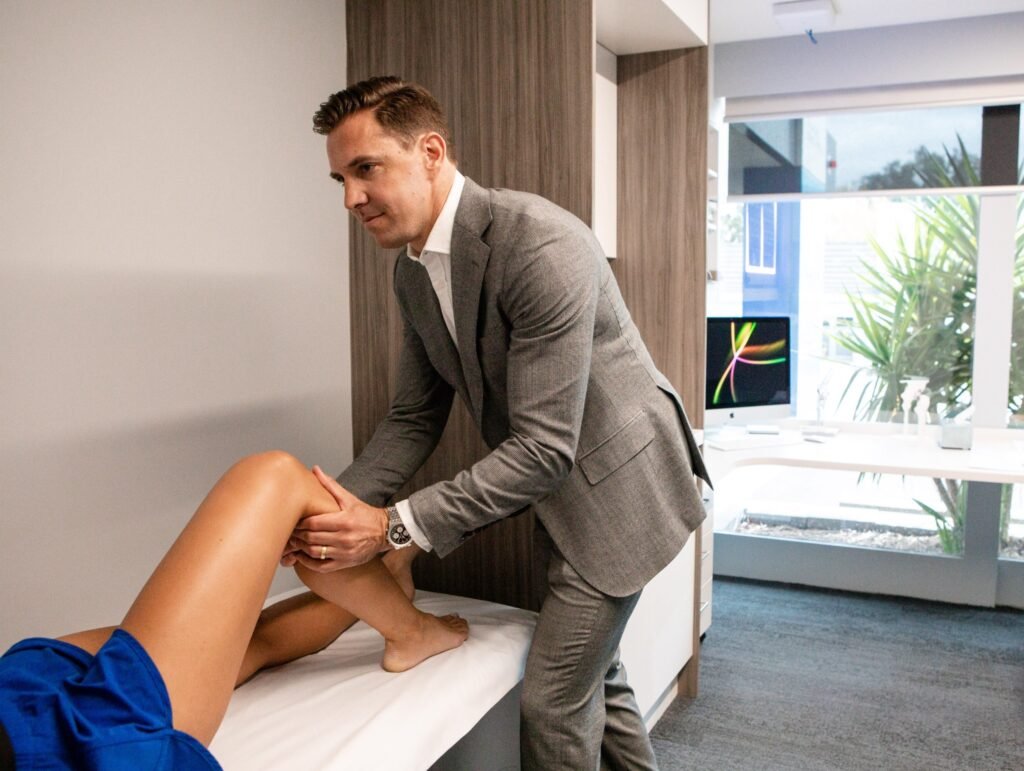
What is patellar instability and dislocation?
Patellar instability refers to a condition where the kneecap (patella) does not remain securely within its normal groove at the front of the knee. Instead, it may shift, tilt, or move out of position, particularly during movement.
A patellar dislocation occurs when the kneecap moves completely out of its groove, usually towards the outer side of the knee. This can happen suddenly during activity or following a twisting movement or direct impact.
The patella plays an important role in helping the knee bend and straighten efficiently. It is stabilised by a combination of ligaments, muscles, and the shape of the bone. When these stabilising structures are affected, the knee may feel unstable or less controlled.
Patellar instability can range from a mild feeling of the kneecap slipping to repeated episodes of partial or complete dislocation. Some people experience a single dislocation, while others may develop recurrent instability over time.
These conditions can lead to pain, swelling, reduced movement, and a lack of confidence in the knee, particularly during activities such as walking, running, or changing direction. Understanding the cause of instability is important, as it helps guide appropriate treatment and supports the long-term function of the knee.
Common causes of patellar instability and dislocation
Patellar instability and dislocation can occur when the structures that normally keep the kneecap (patella) aligned within its groove are disrupted or under increased stress. This may be due to a combination of injury, movement patterns, and individual anatomy.
Common causes include:
- Twisting or pivoting movements, particularly during sport, where the knee rotates while the foot is planted
- Direct impact to the knee, which can force the patella out of its normal position
- Sudden changes in direction or deceleration, placing stress on the stabilising structures of the knee
- Previous dislocation, which can weaken the supporting ligaments and increase the risk of recurrence
In many cases, patellar instability is influenced by underlying anatomical factors, such as:
- A shallow groove at the front of the knee, where the patella normally sits
- Alignment differences in the leg, which can affect how forces pass through the knee
- Tight or imbalanced soft tissues, including the muscles and ligaments around the knee
Damage to key stabilising structures, such as the medial patellofemoral ligament (MPFL), can also contribute to ongoing instability following an initial dislocation.
In some individuals, instability may develop gradually without a single injury, often due to a combination of muscle weakness, altered movement patterns, and repetitive stress..
Symptoms of patellar instability and dislocation
Symptoms of patellar instability and dislocation can vary depending on the severity of the condition and whether the kneecap has partially or completely moved out of place. At the time of a dislocation, it is common to experience a sudden sharp pain in the knee. Some people may notice a visible shift or deformity, or feel the kneecap move out of position. This is often followed by rapid swelling.
Common symptoms include:
- Pain at the front of the knee, particularly during movement
- A feeling of the kneecap slipping, shifting, or “giving way”
- Swelling and stiffness, especially after an episode of instability
- Reduced range of motion, making it difficult to bend or straighten the knee
- Tenderness around the kneecap
In cases of recurrent instability, symptoms may be less dramatic but still affect function. You may notice:
- A persistent feeling of instability or lack of confidence in the knee
- Difficulty with activities such as walking on uneven ground, climbing stairs, or changing direction
- Occasional clicking or catching sensations within the joint
After a dislocation, the surrounding ligaments and soft tissues may be stretched or injured, which can increase the risk of further episodes.
Risk factors for patellar instability
Common risk factors include:
- Previous patellar dislocation, which can weaken the supporting ligaments and increase the risk of recurrence
- Ligament laxity, where the supporting tissues are more flexible, reducing joint stability
- Muscle weakness or imbalance, particularly in the quadriceps and hip muscles, which help control patellar alignment
- Poor movement mechanics, such as the knee collapsing inward during activity
- Participation in sports involving pivoting, jumping, or rapid direction changes
Certain anatomical factors can also contribute, including:
- A shallow groove in the femur where the patella sits
- Differences in limb alignment, which can alter the forces acting on the kneecap
- A tendency for the patella to track laterally (towards the outer side of the knee)
In some individuals, a combination of these factors may increase the likelihood of both initial injury and recurrent instability.
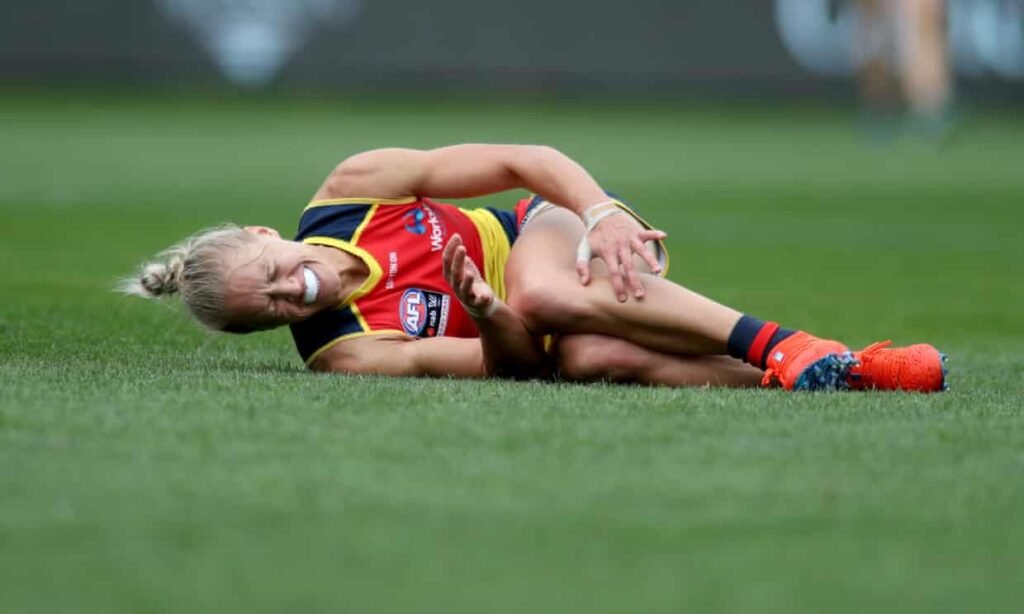
Treatment options for patellar instability and dislocation
Management of patellar instability and dislocation is tailored to your symptoms, the number of instability episodes, underlying anatomy, and activity goals. Treatment may be non-surgical or surgical, depending on how stable your knee is and how it is affecting your function.
Non-surgical treatment options are often considered after a first-time dislocation or in cases where the knee remains relatively stable. These may include:
- Rest and activity modification, allowing symptoms to settle
- Physiotherapy, focusing on strengthening the quadriceps and hip muscles and improving movement control
- Bracing or taping, in some cases, to support the kneecap during activity
- A structured rehabilitation program to restore strength, balance, and confidence in the knee
Many patients are able to return to daily activities and low-impact exercise with appropriate rehabilitation however, if instability persists, or if there are recurrent dislocations, surgical treatment may be considered.
This may include:
- Ligament reconstruction, such as reconstruction of the medial patellofemoral ligament (MPFL) to help stabilise the kneecap
- Realignment procedures, to improve the tracking of the patella within the groove
- Correction of underlying anatomical factors, where appropriate
Surgical treatment may also be recommended if there is associated damage, such as cartilage injury or loose fragments within the joint and following treatment, a structured rehabilitation program is essential to restore strength, stability, and movement, and to support a safe return to activity.
When to seek medical advice for patellar conditions
It is important to seek medical advice if you experience knee pain, instability, or changes in how your kneecap moves, particularly after an injury or episode where the knee feels like it has slipped or given way.
You may benefit from an assessment if you notice:
- A sudden episode of the kneecap moving out of place or a confirmed dislocation
- Pain at the front of the knee, especially with walking, stairs, or activity
- A feeling of the kneecap slipping, shifting, or unstable
- Swelling or stiffness following an injury
- Reduced range of motion, making it difficult to bend or straighten the knee
- Ongoing symptoms that do not improve with rest or rehabilitation
It is particularly important to seek prompt review if you experience:
- A first-time dislocation, especially with significant pain or swelling
- Recurrent episodes of instability, where the kneecap repeatedly shifts or dislocates
- Difficulty bearing weight or returning to normal activity
Even if symptoms settle after an initial episode, underlying injury to the stabilising structures of the knee may still be present. Early assessment can help identify the cause and guide appropriate management. Dr Scott Tulloch will perform a comprehensive assessment, which may include imaging such as X-rays or MRI, to determine the nature of your condition and discuss the most appropriate treatment options based on your individual needs.