
Osgood-Schlatter Disease
A growth-related condition causing pain and swelling below the kneecap in active adolescents
Osgood–Schlatter disease is a common condition that affects the growth plate at the front of the knee, where the patellar tendon attaches to the shin bone (tibia). It is most often seen in children and adolescents during periods of rapid growth, particularly those who are active in sport.
The condition develops when repetitive stress from the thigh muscles places strain on this area, leading to irritation, inflammation, and pain just below the kneecap. Activities such as running, jumping, and kicking can make symptoms more noticeable.
Osgood–Schlatter disease is considered a self-limiting condition, meaning it often improves as growth slows and the bone matures. However, symptoms can persist for a period of time and may affect comfort, activity levels, and participation in sport. Early recognition and appropriate management can help reduce symptoms and support a safe continuation of activity where possible.
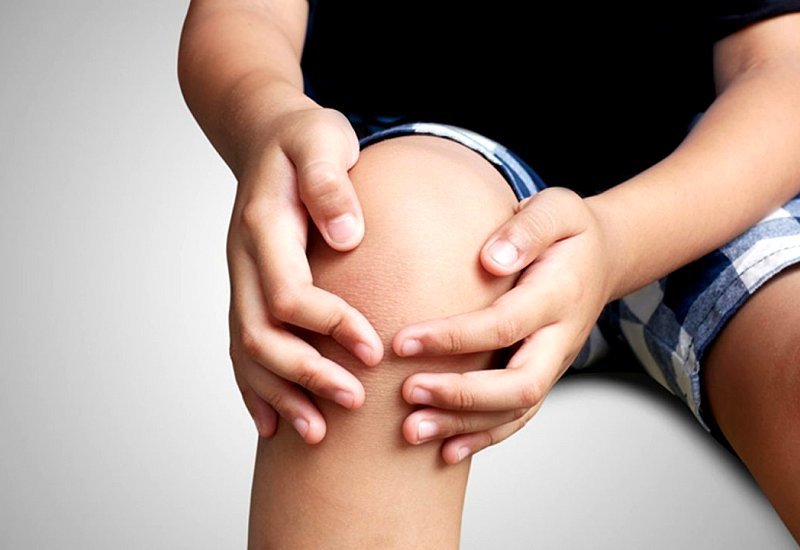
What is Osgood–Schlatter disease?
Osgood–Schlatter disease is a condition that affects the growth plate at the front of the knee, where the patellar tendon attaches to the top of the shin bone (tibia). This area, known as the tibial tuberosity, is still developing during childhood and adolescence. During periods of rapid growth, the bone may be more sensitive to repeated stress from the surrounding muscles and tendons.
The quadriceps muscles at the front of the thigh attach to the shin bone via the patellar tendon. When these muscles contract during activities such as running, jumping, or kicking, they place tension on the growth plate. Over time, this can lead to irritation, inflammation, and pain at the attachment point.
Osgood–Schlatter disease is most commonly seen in active adolescents, particularly those involved in sports that involve repetitive running and jumping.
The condition is considered self-limiting, meaning it often improves as the growth plate matures and closes. However, symptoms can persist during periods of activity and growth.
Common causes of Osgood–Schlatter disease
Osgood–Schlatter disease develops due to repetitive stress on the growth plate at the front of the knee, where the patellar tendon attaches to the shin bone. During periods of rapid growth, this area can be more sensitive to strain. Repeated pulling from the thigh muscles can lead to irritation and inflammation over time.
Common contributing factors include:
- Repetitive running and jumping, particularly in sports such as football, netball, basketball, or athletics
- Frequent training or high activity levels, with limited time for recovery
- Tightness in the quadriceps muscles, which can increase tension through the patellar tendon
- Rapid growth during adolescence, where the bone may be more vulnerable to stress
In many cases, the condition develops gradually without a single injury, as a result of ongoing mechanical load through the knee.
Symptoms of Osgood–Schlatter disease
Symptoms of Osgood–Schlatter disease typically develop gradually and are most noticeable during or after physical activity, particularly in active adolescents.
Common symptoms include:
- Pain just below the kneecap, at the front of the knee
- Tenderness over the tibial tuberosity, especially when pressure is applied
- Swelling or a visible bump at the front of the shin
- Pain with activity, such as running, jumping, kneeling, or climbing stairs
- Tightness in the thigh muscles, particularly the quadriceps
Symptoms often worsen with activity and improve with rest, although discomfort may persist during periods of increased training or growth.
In some cases, the area at the front of the knee may become more prominent over time due to ongoing stress at the growth plate.
While symptoms can be uncomfortable, the condition does not usually affect the overall stability of the knee joint, and many individuals are able to continue participating in activity with appropriate management. If symptoms persist or significantly limit activity, further assessment can help guide appropriate treatment and support recovery.
Risk factors for Osgood–Schlatter disease
Common risk factors include:
- Adolescent growth spurts, where rapid bone growth can increase sensitivity at the tendon attachment
- Participation in sport, especially activities involving running, jumping, or kicking
- High training volumes, with limited recovery time between activities
- Tight quadriceps muscles, which can increase tension through the patellar tendon
- Muscle imbalance or reduced flexibility, affecting how forces are transmitted through the knee
Additional contributing factors may include:
- Repetitive stress on the knee, particularly with frequent training or competition
- Poor movement patterns, such as excessive strain during jumping or landing
In many cases, Osgood–Schlatter disease develops due to a combination of these factors rather than a single cause. Understanding these risk factors can help guide activity modification and prevention strategies, particularly during periods of rapid growth.

Treatment options for Osgood–Schlatter disease
Management of Osgood–Schlatter disease is focused on reducing pain, allowing the area to settle, and supporting continued activity where possible. As this is a self-limiting condition, treatment is typically non-surgical.
Non-surgical treatment options may include:
- Activity modification, reducing or adjusting activities that aggravate symptoms, such as running and jumping
- Physiotherapy, focusing on improving flexibility and strength, particularly in the quadriceps and surrounding muscles
- Ice (cold therapy) after activity to help reduce pain and inflammation
- Pain relief medications, where appropriate
- Use of a patellar tendon strap or brace, in some cases, to reduce tension at the tendon attachment
Many individuals are able to continue participating in sport, with adjustments to training intensity and load based on symptoms.
Symptoms often improve over time as the growth plate matures. However, the duration can vary, particularly during periods of rapid growth or increased activity. Surgical treatment is rarely required and is generally only considered in persistent cases after skeletal maturity, where symptoms have not resolved with appropriate non-surgical management.
When to seek medical advice for Osgood–Schlatter disease
It is appropriate to seek medical advice if knee pain below the kneecap persists or worsens, particularly if it is affecting daily activities, sport, or participation in physical activity.
You may benefit from an assessment if you notice:
- Ongoing pain at the front of the knee, especially during or after activity
- Swelling or tenderness over the tibial tuberosity
- A visible or increasing bump below the kneecap
- Pain that is limiting participation in sport or exercise
- Symptoms that are not improving with rest or activity modification
In growing children and adolescents, early symptoms may be mild but can become more noticeable with increased activity or rapid growth.
It is particularly important to seek review if:
- Pain becomes severe or constant
- There is difficulty walking, running, or performing everyday movements
- Symptoms are affecting ongoing participation in sport
Early assessment can help confirm the diagnosis and guide appropriate management, including advice on activity levels, physiotherapy, and symptom control. Dr Scott Tulloch will perform a comprehensive assessment and provide individualised guidance to support symptom management and safe participation in activity.