
A Painful or Failing Knee Replacement
Ongoing pain or reduced function after knee replacement affecting movement and joint performance
A painful or failing knee replacement refers to ongoing symptoms or changes in function following a total or partial knee replacement, where the joint is not performing as expected. While many patients experience improvement after knee replacement surgery, some may develop persistent pain, stiffness, swelling, or instability over time. These symptoms can affect your ability to walk, move comfortably, and return to daily activities.
There are a number of possible causes, including implant wear, loosening, infection, alignment issues, or soft tissue irritation. In some cases, symptoms may develop gradually, while in others they may occur more suddenly. Assessment is important to identify the underlying cause of the problem, as this will guide appropriate management. Treatment may range from non-surgical approaches to more complex procedures, including revision knee replacement surgery, depending on the nature of the issue.
Early evaluation can help determine the cause of your symptoms and support a treatment plan aimed at improving comfort, stability, and joint function.
- What is a painful or failing knee replacement?
- Common causes of a painful or failing knee replacement
- Symptoms of a painful or failing knee replacement
- Risk factors for complications after knee replacement
- Treatment options for a painful or failing knee replacement
- When to seek medical advice for a painful or failing knee replacement
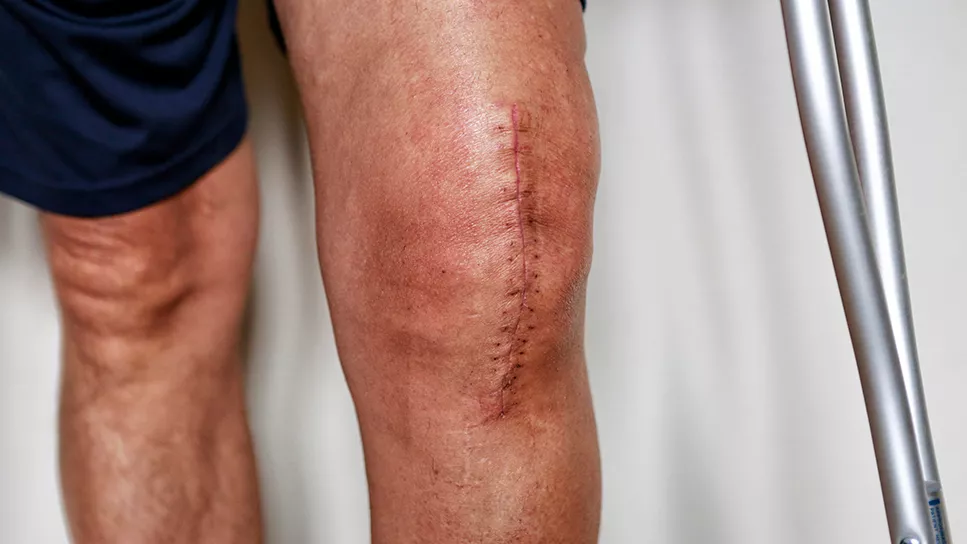
What is a painful or failing knee replacement?
A painful or failing knee replacement refers to a situation where a previous knee replacement (total or partial) is no longer functioning as expected, leading to ongoing pain, reduced movement, or changes in joint stability.
While knee replacement surgery is commonly performed to improve pain and function, some patients may develop persistent or new symptoms over time. These symptoms can affect your ability to walk, perform daily activities, or maintain confidence in the joint.
A knee replacement may be considered “failing” when there are changes in how the implant, surrounding bone, or soft tissues are working together. This can occur gradually or, in some cases, more suddenly depending on the underlying cause. Common contributing factors can include implant wear or loosening, infection, alignment issues, or soft tissue imbalance, although a thorough assessment is required to determine the exact cause.
Symptoms can vary in severity, ranging from mild discomfort to more significant pain or functional limitation.
Common causes of a painful or failing knee replacement
A painful or failing knee replacement can occur for a number of reasons affecting the implant, surrounding bone, or soft tissues. In many cases, symptoms develop gradually, although some issues may present more suddenly.
Common causes include:
- Implant loosening, where the bond between the implant and bone becomes less stable over time
- Wear of the implant surfaces, which can lead to irritation of the surrounding tissues
- Infection, which may occur early after surgery or develop later
- Alignment or positioning issues, affecting how the joint moves and bears load
- Instability, where the knee feels loose or does not move in a controlled way
- Stiffness or scar tissue formation, limiting movement of the joint
Other contributing factors may include:
- Soft tissue irritation, including tendons or ligaments around the knee
- Patellar (kneecap) problems, affecting tracking and movement
- Progression of underlying conditions, such as changes in surrounding joints or tissues
In some cases, more than one factor may be contributing to symptoms.
Symptoms of a painful or failing knee replacement
Symptoms of a painful or failing knee replacement can vary depending on the underlying cause and may develop gradually or, in some cases, more suddenly.
Common symptoms include:
- Persistent knee pain, either constant or with activity
- Swelling around the joint
- Stiffness or reduced range of motion, making it difficult to bend or straighten the knee
- A feeling of instability or the knee “giving way”
- Difficulty with walking, stairs, or standing for longer periods
Some people may also notice:
- Clicking, grinding, or unusual sensations within the joint
- Pain around the kneecap, particularly with movement
- A sense that the knee is not functioning as expected
In certain cases, symptoms may suggest a more specific issue, such as:
- Increasing pain over time, which may be associated with loosening or wear
- Sudden onset of pain and swelling, which may require prompt assessment
- Warmth, redness, or systemic symptoms, which can be associated with infection
Symptoms can affect your ability to move comfortably, stay active, and perform daily activities.
Risk factors for complications after knee replacement
A number of factors can influence the likelihood of developing complications after knee replacement, particularly those affecting healing, implant performance, and joint function.
Common risk factors include:
- Previous knee surgery, which may affect the condition of the bone and soft tissues
- Infection risk, including underlying medical conditions or immune system factors
- Excess body weight, which can place increased load on the joint and implant
- Reduced bone quality, which may affect how well the implant is supported
- Muscle weakness or imbalance, particularly around the knee and hip
Additional contributing factors may include:
- Medical conditions, such as diabetes or vascular conditions, which can affect healing
- Smoking, which may impact circulation and recovery
- Activity level, particularly very high-demand activities that place increased stress on the joint
- Alignment or anatomical factors, which may influence how the implant functions
In some cases, complications can occur despite careful planning and surgery, as outcomes can vary between individuals.
Treatment options for a painful or failing knee replacement
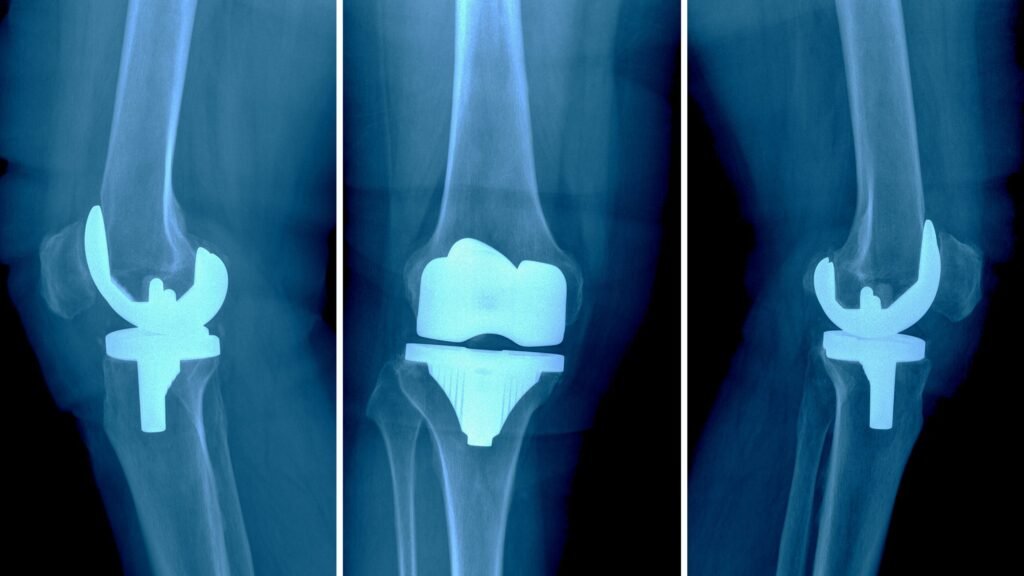
Management of a painful or failing knee replacement depends on the underlying cause of your symptoms, the condition of the implant, and your overall health. The aim is to identify the source of the problem and improve comfort, stability, and joint function. Non-surgical treatment options may be considered in some cases, particularly when symptoms are mild or related to soft tissues.
These may include:
- Physiotherapy, focusing on strengthening, movement, and joint control
- Pain management strategies, including medications and activity modification
- Targeted injections, in selected cases, to help manage inflammation or discomfort
- Bracing or support, where appropriate
These approaches may help manage symptoms but may not address structural issues related to the implant.
If symptoms are related to implant problems or more significant joint changes, surgical treatment may be considered.
This can include:
- Revision knee replacement, where part or all of the existing implant is replaced
- Adjustment or correction of implant position, in selected cases
- Management of infection, which may involve staged procedures
Revision surgery is typically more complex than the initial knee replacement and is carefully planned based on the cause of failure and condition of the surrounding bone and soft tissues. The most appropriate treatment depends on factors such as the cause of symptoms, stability of the implant, and your functional goals.
Dr Scott Tulloch will perform a detailed assessment and guide you through the most suitable treatment options, helping you understand the potential benefits and considerations for your individual situation.
When to seek medical advice for a painful or failing knee replacement
It is important to seek medical advice if you experience ongoing or new symptoms after knee replacement surgery, particularly if they are persistent, worsening, or affecting your mobility.
You may benefit from an assessment if you notice:
- Persistent or increasing knee pain, either at rest or with activity
- Swelling that does not settle or recurs regularly
- Stiffness or reduced movement, making it difficult to bend or straighten the knee
- A feeling of instability or the knee giving way
- Difficulty walking, climbing stairs, or performing daily activities
It is particularly important to seek prompt review if you experience:
- Sudden onset of pain or swelling, especially without a clear cause
- Warmth, redness, or fever, which may indicate infection
- A noticeable change in how the knee moves or feels during weight-bearing
- Symptoms that are progressively worsening over time
Even if symptoms appear mild, changes in how the knee replacement feels or functions may indicate an underlying issue that requires assessment. Early evaluation can help identify the cause and guide appropriate management, supporting the long-term function and performance of your knee replacement.
Dr Scott Tulloch will perform a comprehensive assessment, which may include imaging and further investigations where appropriate, to determine the cause of your symptoms and discuss suitable treatment options.