
Hip Arthritis
Gradual loss of cartilage in the hip joint leading to pain, stiffness, and reduced mobility
Hip arthritis is a condition where the protective cartilage within the hip joint gradually wears down over time. This cartilage normally allows the joint to move smoothly and without friction. As it deteriorates, the joint surfaces become less cushioned, which can lead to pain, stiffness, and reduced movement.
While hip arthritis is more common with increasing age, it can affect people at different stages of life, particularly if there are contributing factors such as previous injury or joint conditions.
As the condition progresses, everyday activities such as walking, standing, bending, or climbing stairs may become more difficult. Symptoms can vary from mild discomfort to more persistent pain that begins to impact your mobility, independence, and overall quality of life.
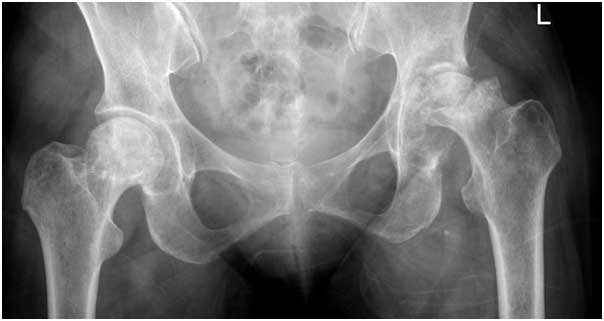
Causes of hip arthritis
Hip arthritis can develop from several underlying causes, including:
- Osteoarthritis: This is the most common cause of hip arthritis. It occurs as a result of natural wear and tear on the hip joint, often linked to ageing. Over time, the cartilage cushioning the joint wears away, leading to pain, stiffness, and loss of function. Factors like genetics, lifestyle, and joint strain can contribute to its progression.
- Rheumatoid Arthritis: This autoimmune condition causes the immune system to attack the synovial lining of the hip joint, leading to inflammation, pain, and joint deformity. Unlike osteoarthritis, which is caused by wear and tear, rheumatoid arthritis is an immune-related condition that can affect multiple joints throughout the body.
- Post-Traumatic Arthritis: A past injury to the hip, such as a fracture or dislocation, can disrupt normal joint function and lead to post-traumatic arthritis. Over time, these disruptions can cause the joint to wear out faster, increasing the likelihood of arthritis.
- Avascular Necrosis (Osteonecrosis): Avascular necrosis occurs when the blood supply to the bone in the hip joint is reduced or cut off. Without adequate blood flow, the bone can weaken or collapse, leading to hip joint damage and, eventually, arthritis. This condition can be linked to trauma, steroid use, excessive alcohol consumption, or certain medical conditions.
Symptoms of hip arthritis
The symptoms of hip arthritis can vary from mild to severe and often develop gradually. Common symptoms may include:
- Hip Pain: Pain is typically felt in the groin, buttocks, or thigh and may worsen with activity.
- Radiating Pain: Pain may also radiate down to the knee, making it difficult to pinpoint the exact source.
- Stiffness: Many people experience stiffness, especially in the morning or after prolonged periods of sitting.
- Reduced Range of Motion: Loss of cartilage can limit the movement of the hip joint, making it harder to walk, climb stairs, or sit comfortably.
- Swelling and Inflammation: The joint may become inflamed, leading to swelling and discomfort.
- Joint Instability: As the cartilage wears down, the hip joint may feel unstable or as though it might “give way.”
- Grating or Clicking Sensation: Some people describe a “grating” or “crunching” sound when moving the hip.
- Muscle Weakness: Pain and inflammation may cause weakness in the hip muscles, making it difficult to support your body weight.
- Limping or Gait Changes: To compensate for pain and stiffness, some people develop a limp or an altered walking pattern.
If you experience any of these symptoms, it’s a good idea to seek medical advice. Early intervention may help slow the progression of arthritis and improve your overall function.
Risk factors for hip arthritis
Certain factors may increase the risk of developing hip arthritis, including:
- Age: The likelihood of hip arthritis increases as we age due to natural wear and tear on the joint.
- Genetics: Family history of hip arthritis can increase your risk, as genetics play a role in joint structure and cartilage health.
- Gender: Women are more likely to develop hip arthritis than men, potentially due to hormonal differences and anatomical structure.
- Previous Joint Injuries: A history of hip injuries, such as fractures or dislocations, can accelerate joint wear and tear, increasing the risk of post-traumatic arthritis.
- Joint Abnormalities: Conditions such as hip dysplasia (misalignment of the hip joint) can place extra stress on the joint, leading to arthritis over time.
- Excess Body Weight: Carrying extra weight increases pressure on the hip joint, accelerating wear and tear.
- Inflammatory Conditions: Conditions like rheumatoid arthritis cause chronic joint inflammation, which can lead to arthritis in the hip.
- Avascular Necrosis: Reduced blood flow to the hip joint can weaken the bone and contribute to the development of arthritis.
- Lifestyle and Occupation: Jobs or activities that place repetitive strain on the hip joint may increase the risk of arthritis.
- Smoking: Smoking has been linked to increased inflammation and reduced blood flow, both of which may contribute to hip joint deterioration.
Understanding these risk factors can help you identify early signs of hip arthritis and take steps to protect joint health.
Treatment options for hip arthritis
Treatment for hip arthritis is tailored to your symptoms, level of joint degeneration, activity goals, and overall health. In many cases, a combination of non-surgical and surgical options may be considered to help manage pain and improve function.
Non-surgical treatment options are often the first step and may include:
- Activity modification, reducing movements that aggravate the hip while maintaining general mobility
- Physiotherapy, focusing on strengthening the muscles around the hip, improving flexibility, and supporting joint function
- Pain relief medications and anti-inflammatory treatments, where appropriate
- Walking aids, such as a cane, to reduce load through the hip joint
- Weight management, where relevant, to decrease stress on the joint
- Injections, such as corticosteroids, which may provide temporary relief of inflammation and pain
For some patients, these measures may help manage symptoms effectively and delay the need for surgery. If symptoms progress and begin to significantly impact your daily activities, sleep, or quality of life, surgical treatment options may be discussed.
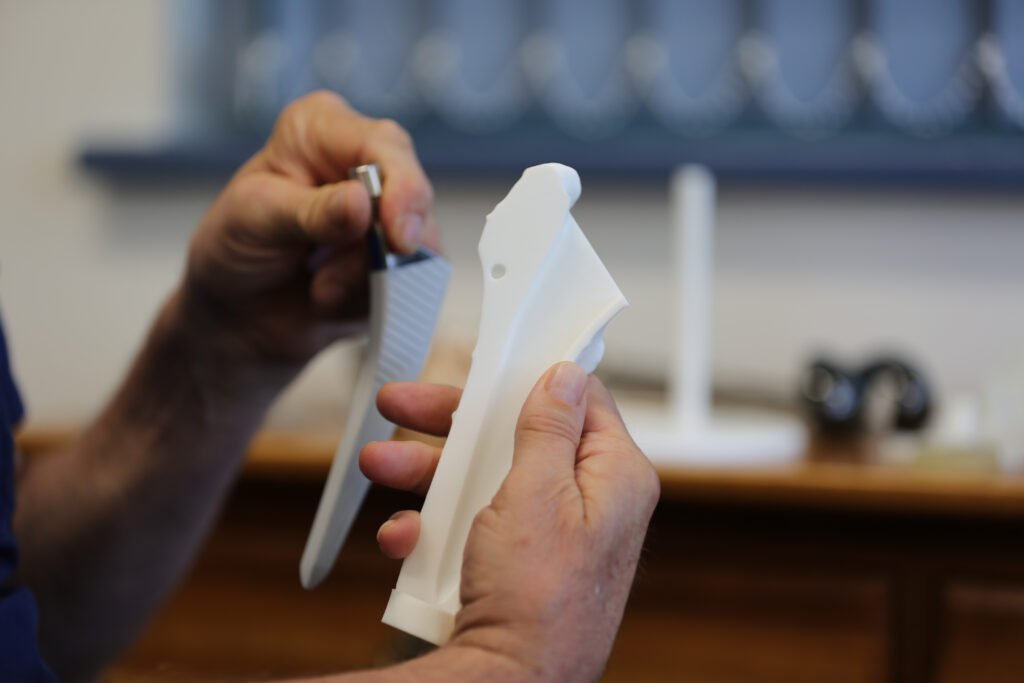
The most common surgical option is total hip replacement, where the damaged joint surfaces are replaced with prosthetic components designed to improve movement, stability, and comfort. In select cases, alternative procedures may be considered depending on your age, anatomy, and the pattern of joint damage.
The most appropriate treatment approach depends on a range of factors, including the severity of arthritis, your functional limitations, and your personal goals. Dr Scott Tulloch will assess your hip and guide you through the available options, helping determine the most suitable treatment plan based on your individual needs.
When to seek medical advice for hip arthritis
It is appropriate to seek medical advice if you are experiencing persistent hip pain, stiffness, or reduced movement that is affecting your daily activities or quality of life.
Early assessment may be helpful if you notice:
- Pain in the hip or groin, particularly with walking, standing, or activity
- Stiffness, especially in the morning or after periods of rest
- Reduced range of motion, making it difficult to bend, sit, or put on shoes and socks
- Pain that limits your ability to exercise or stay active
- Discomfort that interferes with sleep
- A gradual loss of function or mobility over time
You may also consider seeking review if your symptoms are progressively worsening, or if simple measures such as rest, physiotherapy, or over-the-counter medications are no longer providing adequate relief. Early assessment allows for a clearer understanding of the cause of your symptoms and can help guide appropriate treatment options, which may include non-surgical strategies to manage pain and maintain joint function.