
Avascular Necrosis of the hip
Loss of blood supply to the hip joint leading to bone damage, pain, and reduced movement
Avascular necrosis of the hip is a condition where the blood supply to the head of the femur (thigh bone) is reduced or disrupted. This can affect the health of the bone, as it relies on a steady blood supply to remain strong and maintain its structure.
When blood flow is compromised, the bone tissue may begin to weaken and break down over time. In some cases, this can lead to collapse of the joint surface, affecting how the hip moves and functions.
In the early stages, symptoms may be mild or difficult to detect. As the condition progresses, you may experience hip or groin pain, stiffness, and a reduction in movement, particularly during weight-bearing activities such as walking or standing.
Avascular necrosis can develop due to a range of factors, including previous injury, certain medications, or underlying medical conditions, although in some cases the cause is not clearly identified.
Early assessment is important, as identifying the condition in its earlier stages may help guide appropriate management and support preservation of the joint where possible.
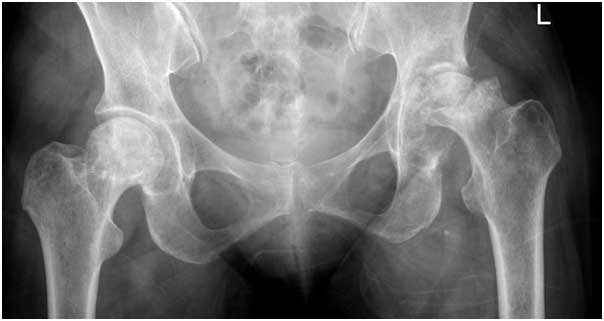
Causes of avascular necrosis of the hip
Avascular necrosis is caused by a disruption or reduction in the blood supply to the femoral head. This disruption can result from several factors, including:
- Trauma or Hip Injury: A hip fracture, dislocation, or severe joint injury can damage the blood vessels that supply blood to the femoral head, leading to avascular necrosis.
- Corticosteroid Use: Long-term use of corticosteroid medications (such as prednisone) is a well-documented cause of AVN. These medications can affect the body’s ability to maintain healthy bone tissue, leading to bone weakening.
- Excessive Alcohol Consumption: Chronic, excessive alcohol intake can affect bone health by interfering with the body’s ability to repair and maintain healthy bone tissue, increasing the risk of AVN.
- Medical Conditions and Diseases: Certain medical conditions, such as sickle cell disease, lupus, and blood clotting disorders, can reduce blood flow to the hip joint, leading to avascular necrosis.
- Radiation Therapy: Radiation treatment for cancer can damage blood vessels, reducing blood flow to the femoral head and increasing the risk of AVN.
- Decompression Sickness (Caisson Disease): Divers and workers exposed to high-pressure environments may experience nitrogen gas bubbles in their blood, which can block blood flow to the bones, including the hip.
- Idiopathic Causes: In some cases, no clear cause is identified. This is known as idiopathic avascular necrosis.
Symptoms of avascular necrosis of the hip
Symptoms of avascular necrosis may develop gradually, often starting with mild pain and progressing to more severe discomfort as the condition worsens. Common symptoms include:
- Hip Pain: Pain is often felt in the groin, thigh, or buttocks and may worsen with weight-bearing activities like walking, running, or standing.
- Reduced Range of Motion: You may experience stiffness and difficulty rotating, bending, or moving the hip. Everyday activities like tying shoes or getting out of a car may become challenging.
- Pain with Movement: Hip pain may be more noticeable with certain activities, such as walking uphill, climbing stairs, or twisting movements.
- Night Pain: In more advanced stages, hip pain may persist even when at rest or during the night, affecting sleep quality.
- Limping or Gait Changes: As the femoral head weakens, you may develop a limp or an altered walking pattern to avoid putting pressure on the affected hip.
If you are experiencing persistent hip pain, stiffness, or difficulty with movement, it is important to seek medical advice for an accurate diagnosis. Early detection of avascular necrosis can prevent further joint damage.
Risk factors for avascular necrosis of the hip
Several factors can increase the risk of developing avascular necrosis of the hip. These include:
- Hip Trauma or Injury: Fractures, dislocations, and joint injuries are significant risk factors as they can damage the blood vessels that supply the femoral head.
- Corticosteroid Use: People who take corticosteroid medications for extended periods, such as those with chronic inflammatory conditions, have an increased risk of developing AVN.
- Excessive Alcohol Use: Regular heavy drinking can weaken bone tissue and reduce the body’s ability to maintain healthy bones.
- Certain Medical Conditions: Conditions like sickle cell disease, lupus, and blood clotting disorders increase the risk of AVN due to their impact on blood flow.
- Cancer Treatment (Radiation): Radiation therapy can damage blood vessels, increasing the risk of blood flow disruptions to the hip.
- Decompression Sickness: Divers exposed to sudden changes in atmospheric pressure may develop nitrogen bubbles in their blood, which can block blood flow to the femoral head.
- Age and Gender: While AVN can affect people of all ages, it is more common in adults aged 30 to 50. Both men and women are susceptible, although certain risk factors (like alcohol consumption) may be more prevalent in men.
- Smoking: Smoking may reduce blood flow to the bones, increasing the likelihood of avascular necrosis.
Recognising and addressing these risk factors can help reduce the likelihood of developing avascular necrosis, especially for those taking long-term corticosteroids or with a history of hip injury.
How avascular necrosis of the hip is diagnosed
Diagnosing avascular necrosis (AVN) of the hip involves a combination of your symptoms, clinical examination, and imaging to assess the health of the bone and the stage of the condition. Your assessment will begin with a detailed discussion about your pain, movement limitations, and any risk factors, such as previous injury, medication use, or underlying medical conditions. AVN often presents with deep hip or groin pain, particularly during weight-bearing activities.
A clinical examination is then performed to assess your range of motion, joint function, and areas of tenderness. Certain movements may reproduce your symptoms and help identify the hip joint as the source of pain.
Imaging plays a key role in confirming the diagnosis and determining how advanced the condition is:
- X-rays are often the first step and may show changes in the bone in more advanced stages
- MRI scans are more sensitive and can detect AVN in its earlier stages, before changes are visible on X-ray
- In some cases, CT scans may be used to further assess bone structure and joint integrity
Early diagnosis is important, as it can influence the range of treatment options available and help guide decisions aimed at preserving the hip joint where possible.
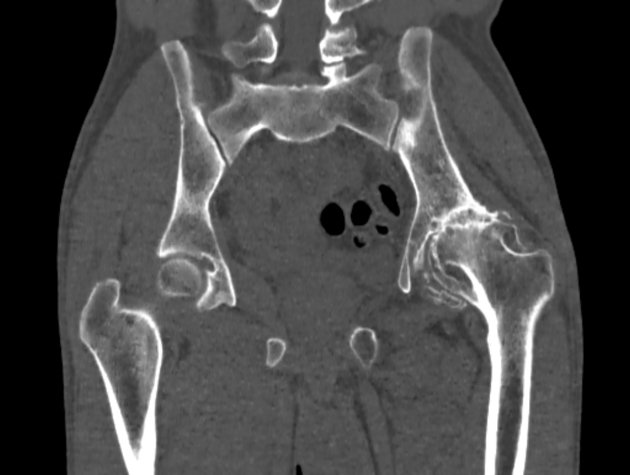
Treatment options for avascular necrosis of the hip
Management of avascular necrosis (AVN) of the hip is guided by the stage of the condition, the extent of bone involvement, your symptoms, and your overall health and activity goals. Treatment may be non-surgical or surgical, with the aim of supporting joint function and, where possible, preserving the hip.
Non-surgical treatment options may be considered in the early stages of AVN, particularly before there is collapse of the bone. These may include:
- Activity modification, reducing weight-bearing or high-impact activities to limit stress on the hip
- Physiotherapy, focusing on maintaining joint movement and supporting surrounding muscle strength
- Pain relief medications and anti-inflammatory treatments, where appropriate
- Walking aids, such as crutches, to reduce load through the joint
These approaches may help manage symptoms, although they do not reverse the underlying loss of blood supply.
If the condition progresses or symptoms become more significant, surgical treatment options may be discussed. These can include:
- Core decompression, a procedure that aims to relieve pressure within the bone and may support blood flow in earlier stages
- Bone grafting procedures, which may be used to support areas of weakened bone
- Joint-preserving techniques, where appropriate, depending on the stage of the condition
In more advanced cases, where there has been collapse of the joint surface or significant joint damage, total hip replacement may be considered to restore movement, stability, and comfort.
The most appropriate treatment depends on a range of factors, including the stage of AVN, the extent of bone involvement, and your functional limitations.
When to seek medical advice for avascular necrosis of the hip
It is important to seek medical advice if you are experiencing persistent hip or groin pain, particularly if it is worsening over time or affecting your ability to walk, stand, or perform daily activities.
You may benefit from an assessment if you notice:
- Deep, aching pain in the hip or groin, especially with weight-bearing
- Stiffness or reduced range of motion in the hip
- Pain that progressively increases or becomes more frequent
- Discomfort that begins to limit your mobility or activity levels
- Pain that persists despite rest or simple treatments
In the early stages, symptoms can be mild and may be mistaken for general hip discomfort or a soft tissue injury. If you have known risk factors, such as a previous hip injury, prolonged corticosteroid use, or certain medical conditions, early assessment may be particularly important.
Seeking review early can help identify the condition and guide appropriate management, especially before more significant joint changes occur.