
A Painful or Failing Hip Replacement
Ongoing pain or complications after hip replacement affecting function and joint performance
A painful or failing hip replacement refers to a situation where a previous hip replacement is no longer functioning as expected, leading to ongoing discomfort, reduced mobility, or changes in how the joint feels.
While many hip replacements perform well for many years, some patients may develop symptoms over time due to factors such as implant wear, loosening, instability, infection, or changes in the surrounding bone and soft tissues. In some cases, symptoms may develop gradually, while in others they may occur more suddenly.
Early assessment is important to identify the cause of your symptoms and guide appropriate management. Treatment options will depend on the underlying issue and may range from non-surgical strategies to revision hip replacement surgery, depending on your individual condition.
- Causes of a painful or failing hip replacement
- Symptoms of a painful or failing hip replacement
- Risk factors for hip replacement failure
- How a painful or failing hip replacement is diagnosed
- Treatment options for a painful or failing hip replacement
- When to seek medical advice for a painful or failing hip replacement
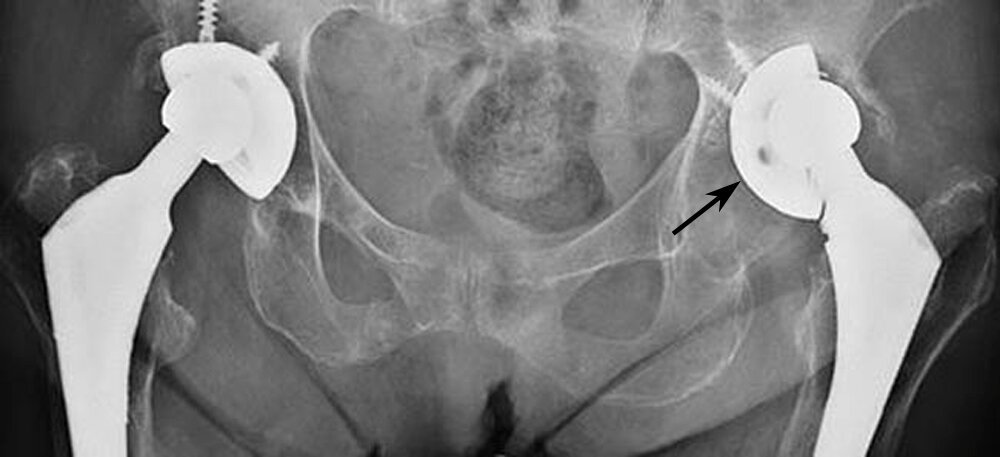
Causes of a painful or failing hip replacement
There are several reasons why a hip replacement may fail. Identifying the cause is essential for determining the best course of treatment.
- Implant Wear and Tear: Over time, the materials used in hip replacements (such as metal, ceramic, or plastic) can wear down. Daily movement and activity put pressure on the implant, causing gradual wear. When the bearing surfaces wear out, it may lead to joint instability, pain, and loss of function.
- Loosening of Components: Loosening occurs when the implant separates from the bone or the surrounding cement. This can result from natural bone loss, the body’s reaction to the implant, or improper placement of the prosthetic. Loose components can cause pain, instability, and reduced range of motion.
- Implant Malposition: Accurate positioning of the implant is crucial to the success of a hip replacement. If the components are misaligned or incorrectly positioned, it can lead to abnormal wear, joint instability, and an increased risk of dislocation.
- Dislocation: If the ball of the prosthetic hip pops out of the socket, it results in a dislocated hip. This is more likely to occur if the implant components are not aligned correctly or if the surrounding soft tissues are too weak to stabilise the joint.
- Infection: Infection can occur during surgery or later as a result of an open wound or bloodstream infection. Infections can cause swelling, pain, and implant failure. In some cases, removal of the infected implant is necessary.
- Bone Fracture Around the Implant: Fractures near the site of the hip implant can destabilise the joint. Fractures may result from trauma, like a fall or accident, or from weakened bones due to osteoporosis.
- Implant Fracture: Although rare, implant components can fracture under repeated stress. This type of failure requires surgical intervention to remove and replace the damaged part.
- Metal-on-Metal Reactions: Metal-on-metal implants, which use metal surfaces on both the ball and socket, can release metal ions into the bloodstream, causing inflammation, soft tissue damage, and metallosis (metal toxicity). This may require revision surgery to remove and replace the implant.
Symptoms of a painful or failing hip replacement
The symptoms of a failing hip replacement can vary depending on the underlying cause. Common signs to look out for include:
- Persistent Hip Pain: Pain may be felt in the groin, thigh, or buttock. It may be constant or increase with movement or weight-bearing activities.
- Instability or feeling of “Giving Way”: A loose or misaligned implant can make the hip feel unstable or like it might give way.
- Reduced Range of Motion: If the implant components are worn, loose, or misaligned, you may have difficulty moving the hip joint fully.
- Clicking, Popping, or Grinding Sensation: You may feel or hear unusual sounds when moving your hip, which can signal a mechanical issue with the implant.
- Limping or Changes in Gait: You may develop a limp or experience difficulty walking as a result of pain, instability, or reduced range of motion.
- Swelling or Warmth Around the Joint: These symptoms may indicate infection or inflammation in the tissues around the implant.
- Leg Length Discrepancy: If the implant loosens or dislocates, one leg may appear shorter than the other.
- Fever or Chills: These may be signs of infection, particularly if accompanied by swelling, pain, or warmth in the hip area.
If you experience any of these symptoms, it is important to seek medical advice. Early diagnosis and treatment can reduce the need for more complex revision surgery.
Risk factors for hip replacement failure
Certain factors increase the likelihood of hip replacement failure, including:
- Age and Activity Level: Younger, more active people place greater stress on the implant, increasing the risk of wear and tear.
- Obesity: Carrying extra weight places additional strain on the hip joint and implant, potentially accelerating wear.
- Previous Hip Surgery: People with previous hip surgeries may be at increased risk of implant loosening or dislocation.
- Medical Conditions: Conditions like osteoporosis, rheumatoid arthritis, and diabetes can weaken bone strength and increase the risk of implant-related fractures.
- Poor Bone Quality: People with reduced bone density (osteoporosis) are at greater risk of fractures around the implant site.
- Smoking: Smoking can impair blood flow and bone healing, affecting the success of a hip replacement.
- Infection Risk: Poor wound care, existing infections, or immune-compromising conditions may increase the risk of infection around the hip joint.
How a painful or failing hip replacement is diagnosed
Diagnosing a painful or failing hip replacement involves a combination of your symptoms, clinical examination, and imaging to identify the underlying cause and guide appropriate management.
Your assessment will begin with a detailed discussion about your pain, mobility, and any changes in how your hip feels or functions. Symptoms such as persistent pain, instability, clicking, or reduced movement can provide important clues about the cause.
A clinical examination is then performed to assess your range of motion, strength, joint stability, and gait (walking pattern). This helps determine how the hip is functioning and whether other structures may be contributing to your symptoms.
Imaging is a key part of the diagnostic process:
- X-rays are typically the first step and can identify issues such as implant position, loosening, or wear
- CT scans may be used to assess bone structure and implant alignment in more detail
- MRI scans (using specialised techniques) can evaluate the soft tissues around the hip, including muscles and tendons
- In some cases, nuclear medicine scans may be used to assess implant loosening or other changes
If there is concern about infection, additional tests may be required, including blood tests or joint fluid analysis, to assess for signs of inflammation or infection around the implant.
A thorough and accurate diagnosis is essential to determine the cause of your symptoms and guide the most appropriate treatment plan.
Dr Scott Tulloch will use a combination of these findings to develop a tailored management approach, based on your individual condition and overall health.
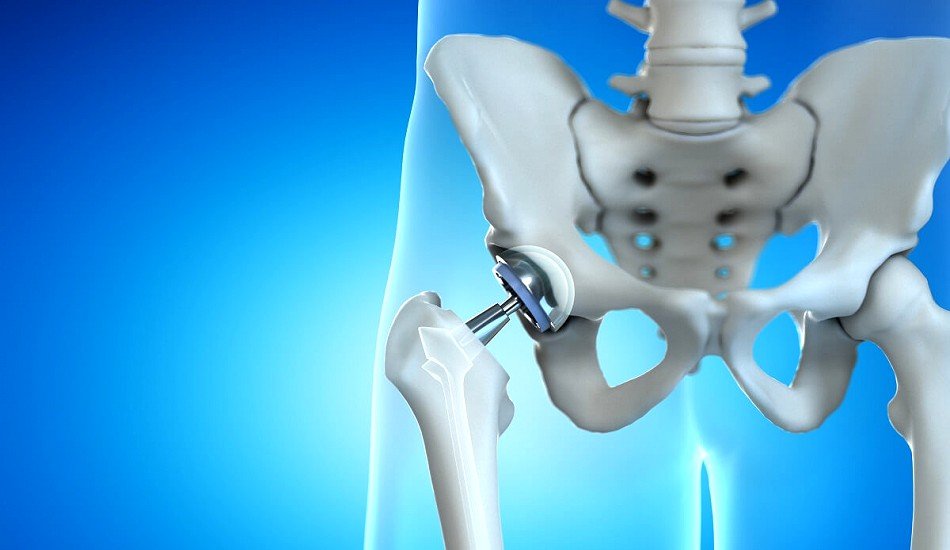
Treatment options for a painful or failing hip replacement
Management of a painful or failing hip replacement is guided by the underlying cause of your symptoms, the condition of the implant, and your overall health and activity level. Treatment may be non-surgical or surgical, depending on the severity of the problem and how it is affecting your function.
Non-surgical treatment options may be considered in selected cases, particularly if symptoms are mild or the underlying issue does not require immediate surgery. These may include:
- Physiotherapy, focusing on strength, movement, and support of the hip
- Activity modification, reducing movements that aggravate symptoms
- Pain relief medications and anti-inflammatory treatments, where appropriate
- Walking aids, such as a cane, to reduce load through the joint
These approaches may help manage symptoms, although they do not correct mechanical issues such as implant loosening or significant wear.
If the hip replacement is not functioning as expected due to mechanical or structural problems, surgical treatment may be recommended. This most commonly involves revision hip replacement surgery, where part or all of the existing implant is replaced.
Surgical options may include:
- Exchange of worn components, such as the liner or head of the implant
- Revision of loose or malpositioned components
- Management of bone loss, which may involve specialised implants or bone grafting
- Treatment of infection, which may require staged surgical procedures
The complexity of revision surgery can vary depending on the condition of the implant and surrounding bone.
Following surgery, a structured rehabilitation program is important to support recovery, restore movement, and improve function.
The most appropriate treatment approach depends on your individual diagnosis, symptoms, and goals.
Dr Scott Tulloch will assess your hip and guide you through the available options, helping determine the most suitable management plan for your situation.
When to seek medical advice for a painful or failing hip replacement
It is important to seek medical advice if you are experiencing new or worsening symptoms in a hip that has previously been replaced, particularly if these changes are affecting your mobility or daily activities.
You may benefit from an assessment if you notice:
- Persistent or increasing pain in the hip, groin, or thigh
- A feeling of instability, shifting, or the hip “giving way”
- Reduced range of motion or stiffness compared to your usual function
- Difficulty walking, weight-bearing, or performing everyday tasks
- Clicking, grinding, or unusual sensations within the joint
- Swelling, warmth, or redness around the hip
It is particularly important to seek prompt medical review if you develop:
- Sudden severe pain or inability to bear weight
- Signs of possible infection, such as fever, chills, or wound discharge (if recent surgery)
Even if symptoms are mild, ongoing discomfort or changes in how your hip feels should be assessed, as early evaluation can help identify the cause and guide appropriate management.
Dr Scott Tulloch will perform a comprehensive assessment, which may include imaging such as X-rays or advanced scans, to determine the source of your symptoms and discuss suitable treatment options based on your individual needs.