
Lower limb fractures commonly occur following falls, sporting injuries, workplace accidents, motor vehicle accidents, or other forms of trauma. These injuries can affect the bones and joints of the hip, knee, lower leg, and ankle, often causing significant pain, swelling, instability, and difficulty walking or bearing weight.
Some fractures occur following high-impact trauma, while others may develop after a simple fall, particularly in older adults where reduced bone strength or osteoporosis can increase fracture risk.
The severity of lower limb injuries can vary from stable fractures managed with immobilisation and rehabilitation through to more complex injuries that may require surgical treatment to restore alignment, joint stability, and function.
Dr Scott Tulloch consults for a range of lower limb fractures and traumatic injuries, which are outlined in further detail below. Treatment recommendations are tailored to the specific injury pattern, degree of displacement, joint involvement, activity level, and overall health of each patient.
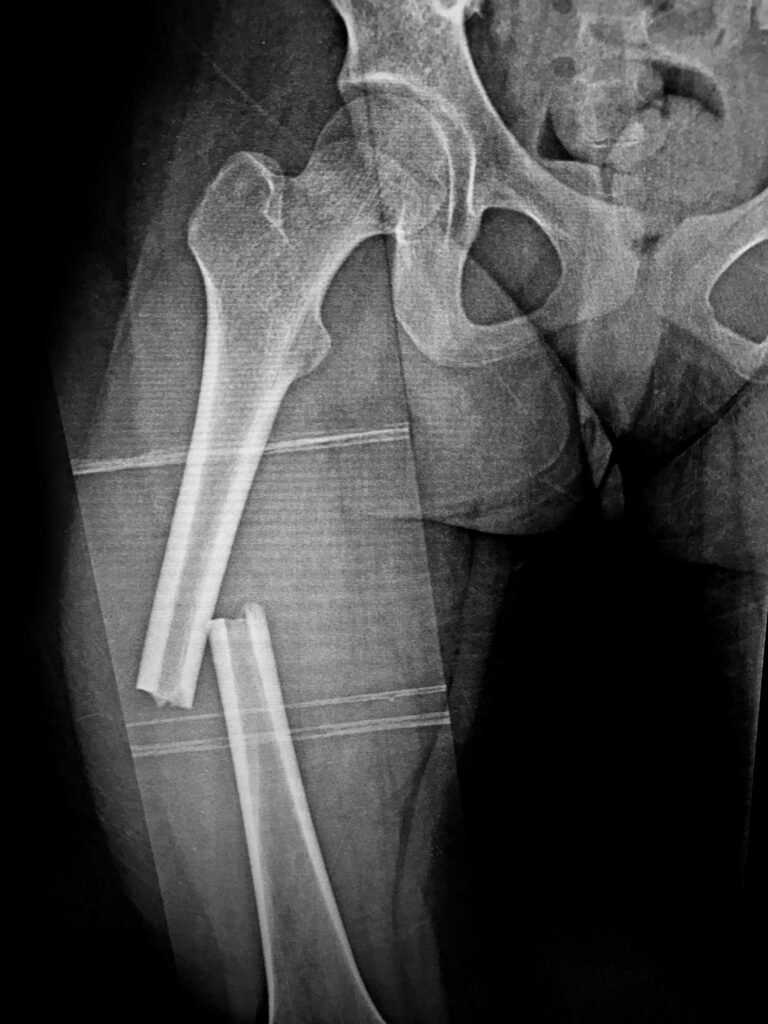
Lower limb fractures and traumatic injuries involve damage to the bones and joints of the hip, thigh, knee, lower leg, ankle, and foot. These injuries commonly occur following falls, sporting injuries, workplace accidents, motor vehicle accidents, or other forms of trauma. The severity of lower limb injuries can vary significantly. Some fractures are stable and minimally displaced, while others may involve joint surfaces, multiple bone fragments, ligament injury, or significant displacement that affects stability and movement.
In older adults, lower limb fractures may occur more easily due to reduced bone density or osteoporosis, even after relatively minor falls. In younger individuals, these injuries are more commonly associated with higher-impact trauma or sporting activity. Prompt assessment is important following a suspected fracture or significant lower limb injury. Diagnosis is typically made through a combination of clinical examination and imaging, most commonly X-rays, with CT or MRI scans sometimes used for more complex injuries.
Treatment depends on the type of fracture, degree of displacement, joint involvement, activity level, and overall health of the patient. Some injuries can be managed with immobilisation, bracing, and rehabilitation, while others may require surgical treatment to restore alignment, stability, and function.
Lower limb fractures can cause a range of symptoms depending on the location and severity of the injury. Symptoms often develop immediately after trauma and may significantly affect mobility and weight-bearing.
Common symptoms may include:
Some fractures may also be associated with injuries to the surrounding ligaments, cartilage, muscles, or tendons, particularly following high-impact trauma. If a fracture is suspected, it is important to seek prompt medical assessment. Initial management may include:
Diagnosis is typically made through a combination of clinical examination and imaging. This commonly includes:
A thorough assessment helps determine the severity of the injury and guides the most appropriate treatment and rehabilitation plan.
Hip fractures are serious injuries that commonly occur following a fall onto the hip, particularly in older adults with reduced bone density or osteoporosis. In younger individuals, hip fractures are more often associated with high-impact trauma, such as sporting injuries or motor vehicle accidents. These fractures usually involve the upper part of the femur (thigh bone) near the hip joint and can significantly affect mobility and independence.
Common symptoms may include:
Prompt medical assessment is important following a suspected hip fracture. Diagnosis is typically made through a combination of clinical examination and imaging, most commonly X-rays, with CT or MRI scans sometimes required if the fracture is difficult to detect. Treatment depends on the type and location of the fracture, degree of displacement, bone quality, activity level, and overall health of the patient. Some fractures may be managed with restricted weight-bearing and rehabilitation, although many hip fractures require surgical treatment to restore stability and support early movement.
Surgical treatment may involve:
Early rehabilitation and physiotherapy are important parts of recovery, helping restore mobility, strength, balance, and confidence with walking following healing.
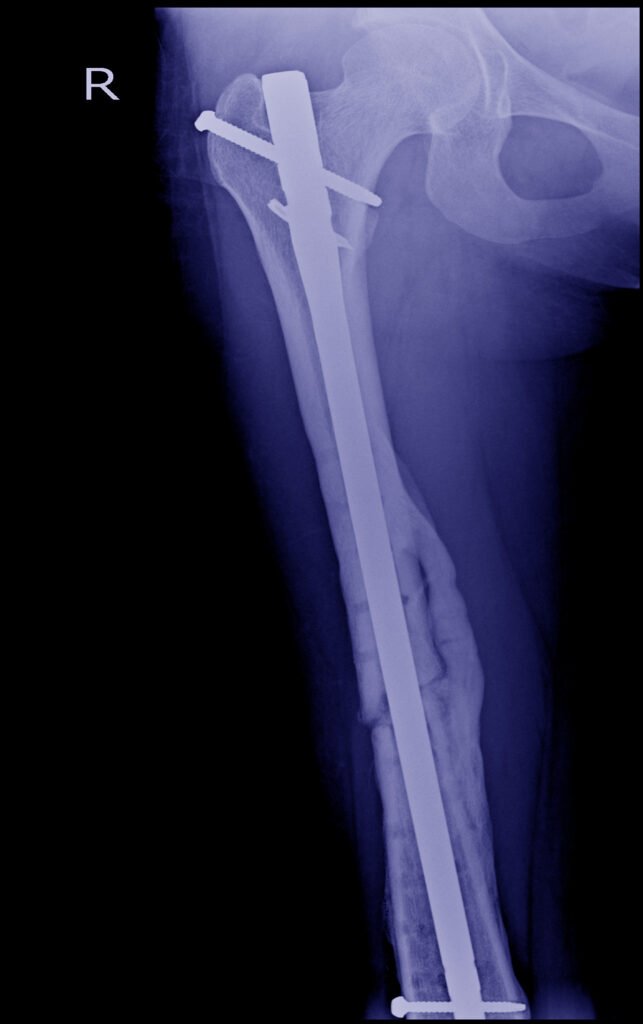
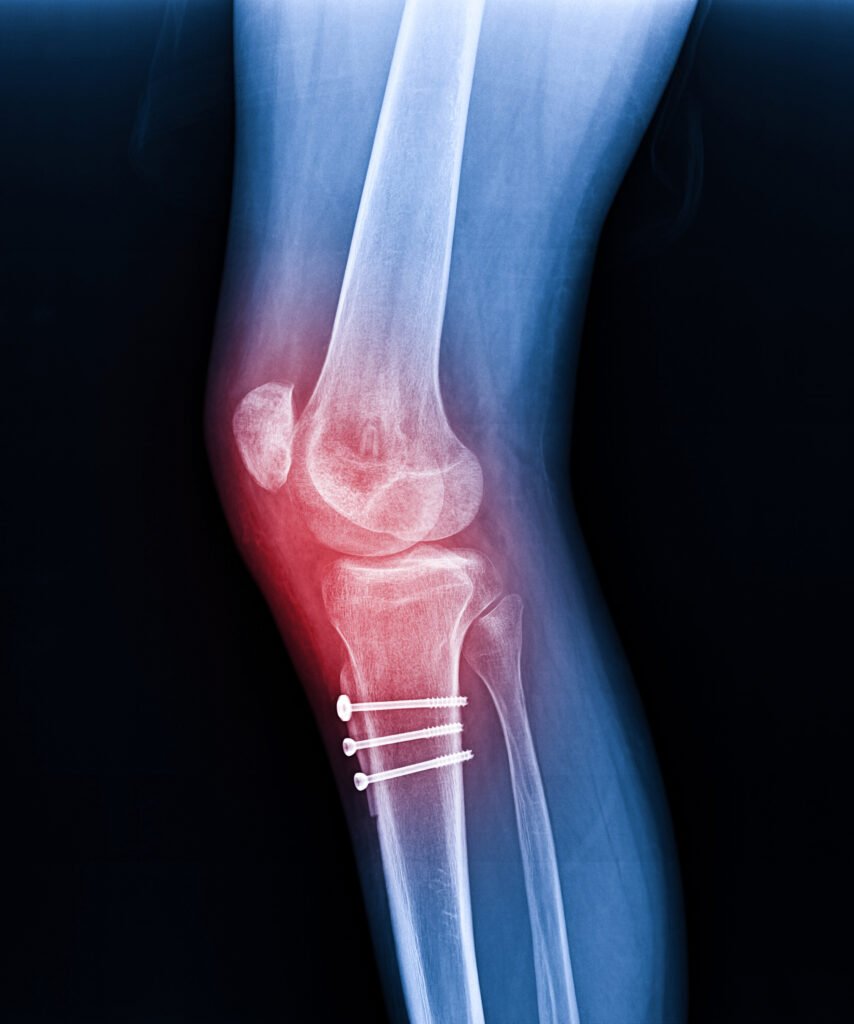
Knee fractures involve a break in one of the bones that form the knee joint, most commonly the patella (kneecap), distal femur (lower thigh bone), or proximal tibia (upper shin bone). These injuries commonly occur following falls, sporting injuries, workplace accidents, motor vehicle accidents, or direct trauma to the knee. The severity of knee fractures can vary from relatively stable injuries through to more complex fractures involving the joint surface, surrounding ligaments, or cartilage.
Common symptoms may include:
Prompt medical assessment is important following a suspected knee fracture. Diagnosis is typically made through a combination of clinical examination and imaging, most commonly X-rays. In more complex injuries, additional imaging such as a CT scan or MRI may be recommended to assess fracture alignment, joint involvement, or associated soft tissue injury.
Treatment depends on factors such as the type of fracture, degree of displacement, stability of the joint, and overall functional requirements of the patient. Some fractures can be managed with bracing, immobilisation, and restricted weight-bearing, while more unstable or displaced fractures may require surgical treatment to restore alignment and joint stability.
Rehabilitation and physiotherapy are important parts of recovery, helping restore movement, strength, stability, and walking function following healing.
Ankle fractures occur when one or more of the bones that form the ankle joint break, most commonly following a twisting injury, fall, sporting accident, workplace injury, or motor vehicle accident. These fractures may involve the fibula, tibia, or both bones, and can range from stable fractures through to more complex injuries affecting the alignment and stability of the ankle joint.
Symptoms commonly include:
Some ankle fractures are associated with injury to the surrounding ligaments and soft tissues, which can affect the overall stability of the joint. If an ankle fracture is suspected, it is important to seek prompt medical assessment.
Initial management may include:
Diagnosis is typically made through a combination of clinical examination and imaging, most commonly X-rays. In some cases, additional imaging such as a CT scan may be recommended to assess fracture complexity or joint involvement.
Treatment depends on the type of fracture, degree of displacement, ankle stability, activity level, and overall health of the patient. Some fractures can be managed with immobilisation in a boot or cast, while more unstable or displaced fractures may require surgical treatment to restore alignment and ankle stability.
Rehabilitation and physiotherapy are important parts of recovery, helping restore movement, strength, balance, and walking function following healing.
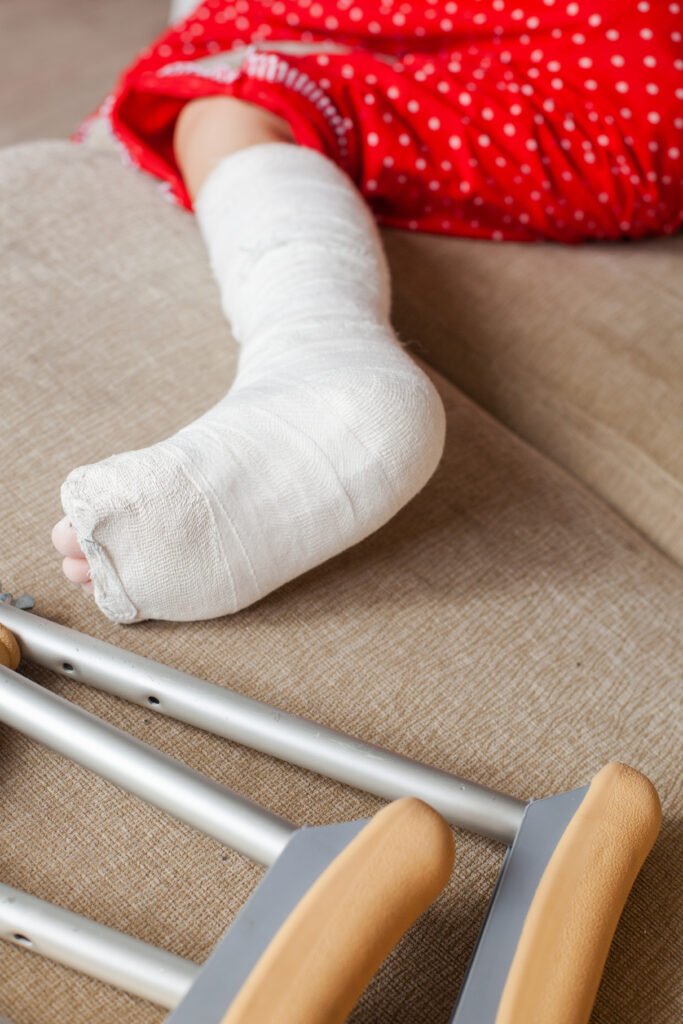
Treatment for lower limb fractures and traumatic injuries depends on factors such as the type of fracture, degree of displacement, joint involvement, stability of the injury, activity level, and overall health of the patient.
Some fractures can be managed without surgery using:
More complex or unstable fractures may require surgical treatment to restore alignment, stability, and joint function. Surgical management may involve the use of:
Following treatment, rehabilitation plays an important role in recovery. The focus of rehabilitation is to help restore:
Recovery timelines can vary significantly depending on the severity of the injury, type of treatment performed, bone healing, and adherence to rehabilitation.
Physiotherapy is often an important part of the recovery process, with exercises tailored to the specific injury and stage of healing. In some cases, temporary use of crutches, walking aids, or braces may be required during recovery.
Dr Scott Tulloch will provide an individualised treatment and rehabilitation plan, helping guide recovery and support a safe return to activity following lower limb injury.