
Revision Hip Replacement (Arthroplasty)
Addressing problems with a previous hip replacement to restore function and reduce pain
Revision hip replacement surgery is performed when a previous hip replacement requires repair, adjustment, or replacement of one or more components. This procedure may be considered if you are experiencing ongoing pain, joint instability, reduced function, or other concerns related to your original hip replacement.
Over time, changes can occur around the artificial joint, including wear of the implant, loosening, infection, or changes in the surrounding bone and soft tissues. Revision surgery aims to address these issues and support improved joint stability, comfort, and movement.
Revision hip replacement is typically more complex than the initial procedure, as it often involves working around existing implants and managing changes in bone and soft tissue. Careful planning and a tailored surgical approach are important to achieve the best possible outcome.
- What is revision hip replacement surgery?
- When revision hip replacement may be recommended
- Preparing for revision hip replacement surgery
- What happens during revision hip replacement surgery
- Understanding the risks and considerations
- What to expect after revision hip replacement surgery
- Rehabilitation and recovery after revision surgery
- Long-term outcomes after revision hip replacement
What is revision hip replacement surgery?
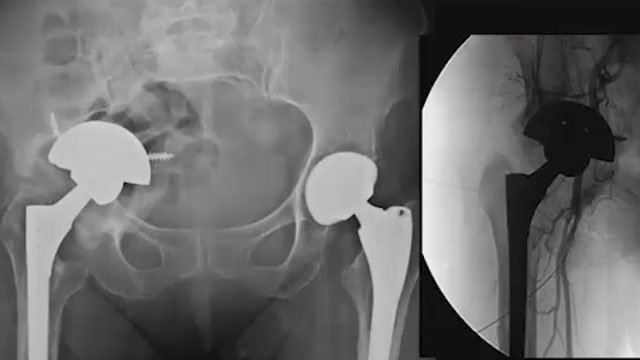
Revision hip replacement surgery is a procedure performed to repair, replace, or adjust a previous hip replacement that is no longer functioning as expected. Instead of replacing the joint for the first time, revision surgery involves working with an existing artificial joint and addressing the underlying cause of ongoing symptoms.
In some cases, only one part of the hip replacement may need to be revised, such as the socket (acetabular component) or the stem in the thigh bone (femoral component). In other situations, the entire joint may need to be replaced. The approach taken depends on the condition of the implant, the surrounding bone and soft tissues, and the reason for revision.
Revision surgery may be considered if there are issues such as implant wear, loosening, infection, instability, or bone loss around the joint. These changes can develop over time or occur following injury or complications after the original procedure. Compared to a primary hip replacement, revision surgery is often more complex, as it may involve removing existing components, managing changes in bone structure, and restoring joint stability. Specialised implants or techniques may be used to support the reconstruction of the hip.
The goal of revision hip replacement surgery is to improve comfort, restore stability, and support function, helping you return to daily activities.
When revision hip replacement may be recommended
Revision hip replacement may be considered when a previous hip replacement is no longer functioning as expected and is causing pain, instability, or reduced mobility. The decision to proceed with revision surgery is based on a combination of your symptoms, clinical assessment, and imaging findings.
Common reasons this procedure may be discussed include wear of the implant over time, loosening of components, or dislocation of the joint, which can affect stability and movement. In some cases, infection around the joint may require revision surgery as part of treatment.
Other situations include bone loss around the implant, fractures involving the bone surrounding the hip replacement (known as periprosthetic fractures), or ongoing discomfort where the cause has been identified and is unlikely to improve with non-surgical management.
Not all patients with symptoms after a hip replacement will require revision surgery. In some cases, non-surgical treatments such as physiotherapy, activity modification, or medication may be appropriate. Revision surgery is generally considered when these options are no longer effective or suitable.
Dr Scott Tulloch will undertake a comprehensive assessment to determine the cause of your symptoms and discuss whether revision hip replacement may be appropriate. This ensures that any recommendation is tailored to your individual condition, health, and goals for recovery.
Preparing for revision hip replacement surgery
Preparing for revision hip replacement surgery involves a series of steps to ensure the procedure is planned carefully and that you are ready both physically and practically for your recovery.
Before surgery, you will undergo a detailed clinical assessment, which may include updated X-rays, CT scans, or blood tests to understand the condition of your existing implant and the surrounding bone and soft tissues. Identifying the exact cause of your symptoms is essential to guide the surgical plan.
Your general health will also be reviewed. This may involve input from your GP, anaesthetist, or other specialists to ensure any medical conditions are well managed prior to surgery. Optimising factors such as nutrition, mobility, and overall fitness can support your recovery.
You may be advised to make practical preparations at home, including arranging support from family or friends, setting up a safe environment for mobility, and planning for your return from hospital. Simple adjustments such as removing trip hazards and organising commonly used items within easy reach can be helpful.
If you are a smoker, reducing or stopping smoking prior to surgery may be recommended, as this can support healing. You may also receive guidance around medications, including which to continue or temporarily stop before the procedure.
Understanding the surgery and recovery process is an important part of preparation. During your consultation, Dr Scott Tulloch will explain the planned approach, expected recovery, and rehabilitation pathway, allowing you to make informed decisions and prepare with confidence.
What happens during revision hip replacement surgery
Revision hip replacement surgery is performed to address problems with an existing hip implant and restore the function and stability of the joint. The exact steps can vary depending on the reason for revision and the condition of the implant and surrounding bone.
At the beginning of the procedure, you will be positioned safely in theatre and given anaesthesia. The surgeon then makes an incision to access the hip joint, often using or adapting the previous surgical scar where appropriate.
Once the joint is exposed, the existing implant is carefully assessed. Any loose, worn, or damaged components are removed. This step can be more complex than primary surgery, particularly if the implant is firmly fixed or if there has been bone loss around the joint.
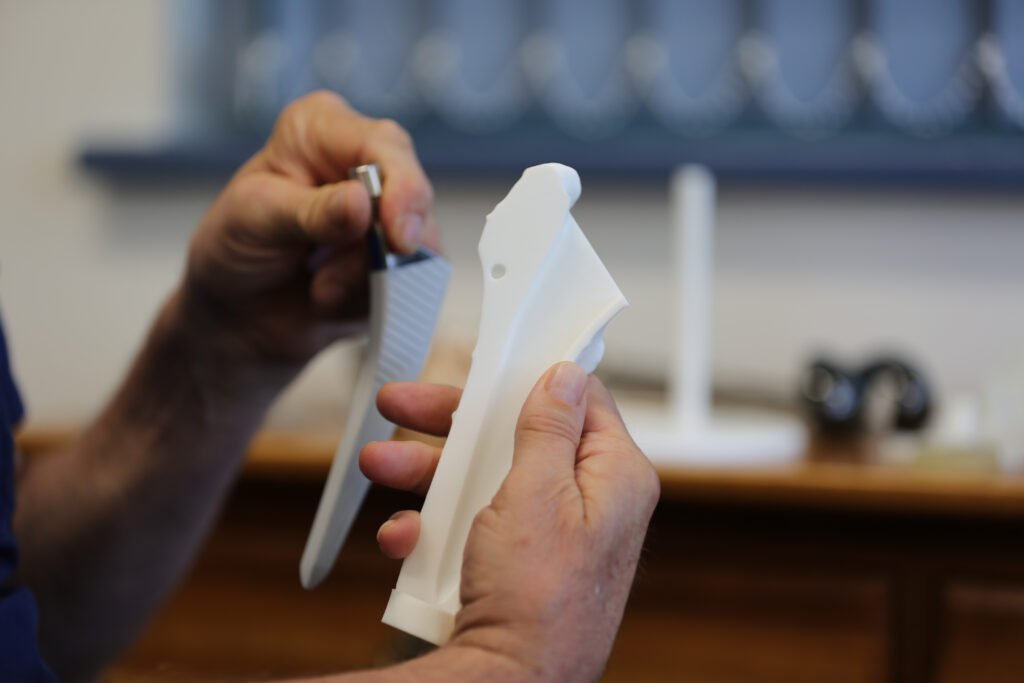
The surrounding bone is then prepared to support the new implant. In some cases, additional techniques or specialised implants may be used to manage bone deficiencies and improve stability. This may include the use of bone grafts or reinforced components where required.
New prosthetic components are then inserted, with careful attention to alignment, leg length, and joint stability. The hip is assessed through a range of movement during the procedure to ensure it functions smoothly and remains stable.
Once the new components are in place, the incision is closed, and you are transferred to recovery for monitoring.
Revision hip replacement surgery is typically more complex and individualised than the initial procedure.
Understanding the risks and considerations
All surgical procedures carry potential risks, and revision hip replacement surgery is generally more complex than a primary hip replacement. Understanding these considerations can help you make an informed decision about your care.
Some risks are similar to those of initial hip replacement surgery, including infection, blood clots, bleeding, and reactions to anaesthesia. There is also a risk of dislocation, where the ball of the joint moves out of the socket, particularly in the early stages after surgery.
Because revision surgery often involves working around existing implants and changes in bone structure, there may be additional considerations such as bone loss, fracture during surgery, or difficulty achieving optimal fixation of the new components. In some cases, specialised implants or techniques are required to support stability.
There is also a possibility of nerve or blood vessel injury, leg length difference, or ongoing discomfort following the procedure. While many patients experience improvement, outcomes can vary depending on the underlying reason for revision and your overall health.
Recovery may take longer than a primary hip replacement, and rehabilitation can be more gradual. Your commitment to physiotherapy and activity modification can play an important role in your recovery.
What to expect after revision hip replacement surgery
Recovery following revision hip replacement surgery is typically more gradual than after a primary hip replacement, as the procedure is often more complex and tailored to your individual condition.
In the early period after surgery, you will be monitored in hospital as you recover from anaesthesia. Pain relief, wound care, and circulation management are prioritised. Most patients begin gentle movement and assisted walking within the first one to two days, depending on the specifics of the surgery and your overall health.
Your hospital stay may be slightly longer than after a primary hip replacement. During this time, physiotherapists will guide you through early exercises to support joint movement, muscle activation, and safe mobility. You may be given specific precautions to follow, depending on how your hip was reconstructed.
Once you return home, recovery focuses on gradually increasing your activity levels. You may initially require walking aids, and your physiotherapy program will be tailored to rebuild strength, balance, and confidence around the hip.
Swelling, stiffness, and discomfort are common in the early stages and are typically managed with medication, ice, and rest. These symptoms generally improve over time as healing progresses.
Because revision surgery can involve bone reconstruction or more complex implants, recovery timelines can vary. Some patients may progress steadily over several months, while others may require a longer period of rehabilitation.
Regular follow-up appointments are important to monitor your recovery and ensure the hip is functioning as expected. Dr Scott Tulloch will guide your return to daily activities, including work, driving, and exercise, based on your individual progress.
Your recovery will be influenced by factors such as your overall health, the reason for revision, and your commitment to rehabilitation, with the goal of supporting improved comfort and function over time.
Rehabilitation and recovery after revision surgery
Rehabilitation following revision hip replacement surgery is an important part of your overall recovery. As revision procedures are often more complex, your rehabilitation plan will be individualised, taking into account the reason for surgery, the condition of your bone and soft tissues, and your overall health.
Physiotherapy typically begins in hospital, focusing on gentle movement, muscle activation, and safe walking techniques. You may initially use walking aids, such as crutches or a frame, to support mobility while protecting the healing joint.
As you progress, your rehabilitation program will gradually increase in intensity. Exercises are designed to improve strength, balance, and joint stability, while helping you return to everyday activities with confidence. The pace of progression can vary, particularly if bone grafts or more complex implants were required during surgery.
It is important to follow the guidance of your physiotherapist and surgeon, including any movement precautions or weight-bearing restrictions. These recommendations are tailored to support healing and reduce the risk of complications.
Recovery after revision surgery can take several months, and in some cases longer, depending on your individual circumstances. Consistency with your rehabilitation program, along with maintaining a healthy and active lifestyle, can play an important role in your long-term outcome.
Dr Scott Tulloch will monitor your progress during follow-up appointments and work closely with your rehabilitation team to guide your recovery and return to daily activities.
Long-term outcomes after revision hip replacement
The long-term outcomes following revision hip replacement are aimed at improving comfort, stability, and function after issues have developed with a previous hip replacement. While many patients experience meaningful improvement, outcomes can vary depending on the reason for revision, the condition of the bone and soft tissues, and your overall health.
In general, revision surgery can help restore the ability to walk, perform daily activities, and participate in low-impact exercise with greater confidence. The goal is to provide a stable and well-aligned joint that supports ongoing mobility.
Compared to a primary hip replacement, long-term results after revision surgery may be less predictable, as the procedure often involves managing bone loss, previous implants, or more complex reconstruction. For this reason, recovery and long-term function can differ between patients.
Modern implants and surgical techniques are designed to provide durable outcomes, although all joint replacements have a lifespan. Factors such as your activity level, bone quality, body weight, and general health can influence how long the revised hip replacement lasts.
Ongoing care is important. Maintaining strength, mobility, and a healthy lifestyle, along with attending recommended follow-up appointments, can support the long-term performance of your hip replacement.
Dr Scott Tulloch will discuss what you can reasonably expect based on your individual condition and surgical plan, helping you understand the potential benefits and limitations of revision surgery.
LEARN ABOUT
- TOTAL HIP REPLACEMENT (ARTHROPLASTY)
- ANTERIOR MINIMALLY INVASIVE TOTAL HIP REPLACEMENT (AMIS)
- HIP REPLACEMENT SURGERY FAQS