
Trochanteric Bursectomy (ITB Release)
Surgical treatment to relieve outer hip pain caused by bursal inflammation and iliotibial band tightness
Trochanteric bursectomy with iliotibial band (ITB) release is a procedure used to treat persistent pain on the outside of the hip when non-surgical treatments have not provided sufficient relief.
The condition is often related to inflammation of the trochanteric bursa and tension or friction from the iliotibial band, a thick band of tissue that runs along the outside of the thigh. This can lead to ongoing discomfort, particularly during activities such as walking, climbing stairs, or lying on the affected side.
The procedure involves removing the inflamed bursa and releasing a portion of the iliotibial band to reduce pressure and friction over the outer hip. The aim is to improve comfort, movement, and function.
A thorough assessment is important to confirm the source of your symptoms and determine whether this procedure may be appropriate for your individual condition.
- What is trochanteric bursectomy with ITB release?
- When trochanteric bursectomy with ITB release may be recommended
- Preparing for trochanteric bursectomy with ITB release
- What happens during trochanteric bursectomy with ITB release
- Understanding the risks and considerations
- What to expect after surgery
- Rehabilitation and recovery after surgery
- Long-term outcomes after trochanteric bursectomy with ITB release
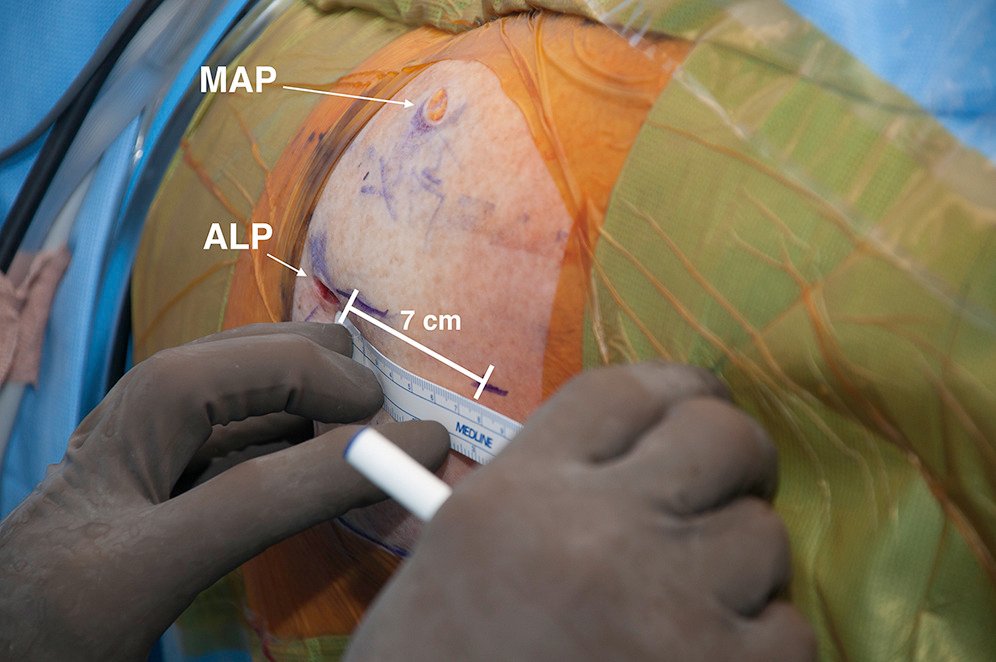
What is trochanteric bursectomy with ITB release?
Trochanteric bursectomy with iliotibial band (ITB) release is a surgical procedure used to treat persistent pain on the outside of the hip when symptoms have not improved with non-surgical care.
The trochanteric bursa is a small fluid-filled sac that sits over the outer part of the hip, helping to reduce friction between the bone and surrounding soft tissues. When this bursa becomes inflamed or irritated, it can cause ongoing pain, particularly with activities such as walking, climbing stairs, or lying on the affected side.
The iliotibial band (ITB) is a thick band of connective tissue that runs along the outside of the thigh. In some cases, tightness or friction from the ITB can contribute to ongoing irritation of the bursa and surrounding structures.
During this procedure, the inflamed bursa is removed (bursectomy), and a portion of the ITB is released or lengthened to reduce tension and friction over the outer hip. This aims to improve comfort, movement, and function.
The surgery may be performed using a minimally invasive (arthroscopic) technique or an open approach, depending on the nature of the condition and your individual anatomy.
Trochanteric bursectomy with ITB release is typically considered when there is a clear source of pain and symptoms have persisted despite appropriate non-surgical treatment, such as physiotherapy and activity modification.
When trochanteric bursectomy with ITB release may be recommended
Trochanteric bursectomy with ITB release may be considered when persistent pain on the outside of the hip continues to affect your mobility, sleep, or daily activities, despite appropriate non-surgical treatment.
This procedure is typically discussed after a period of conservative management, which may include physiotherapy, activity modification, and other treatments aimed at reducing inflammation and improving hip function.
Surgery may be considered in situations such as:
- Ongoing lateral hip pain, particularly with walking, climbing stairs, or prolonged standing
- Pain when lying on the affected side, especially at night
- Tenderness over the outer hip that has not improved with treatment
- Limited response to physiotherapy, injections, or other non-surgical measures
- Symptoms that are progressively worsening or restricting your activity levels
In many cases, these symptoms are related to a combination of bursal inflammation and tension within the iliotibial band, which can continue to cause irritation with movement.
Not all patients with hip bursitis or ITB-related pain require surgery. The decision to proceed depends on your symptoms, clinical findings, imaging results, and response to previous treatment.
Preparing for trochanteric bursectomy with ITB release
Preparing for trochanteric bursectomy with iliotibial band (ITB) release involves a combination of medical assessment, physical preparation, and practical planning to support your recovery.
Proper preparation may help optimise your recovery and ensure you are well prepared for each stage of care.
Dr Scott Tulloch will undertake a pre-surgical consultation, which includes a clinical examination and imaging, such as MRI or ultrasound, to confirm the diagnosis and determine whether surgery is appropriate.
You will also receive pre-surgery instructions tailored to your procedure. These may include guidance on fasting, managing or temporarily stopping certain medications, and preparing for your hospital admission. You may be advised to organise mobility aids, such as crutches, for use after surgery.
Improving your general health prior to surgery may support your recovery. This can include maintaining a healthy weight, stopping smoking, and continuing with targeted exercises to support strength and movement, where appropriate.
It is also important to plan for your recovery at home. Following surgery, you may have temporary movement or weight-bearing limitations, so arranging support from family or friends and preparing your home environment can help make recovery more manageable.
What happens during trochanteric bursectomy with ITB release
Trochanteric bursectomy with iliotibial band (ITB) release is performed to reduce pain and irritation on the outside of the hip by removing inflamed tissue and relieving tension over the joint.
The procedure is typically performed under general anaesthesia, so you will be asleep throughout. You will be carefully positioned to allow access to the outer aspect of the hip.
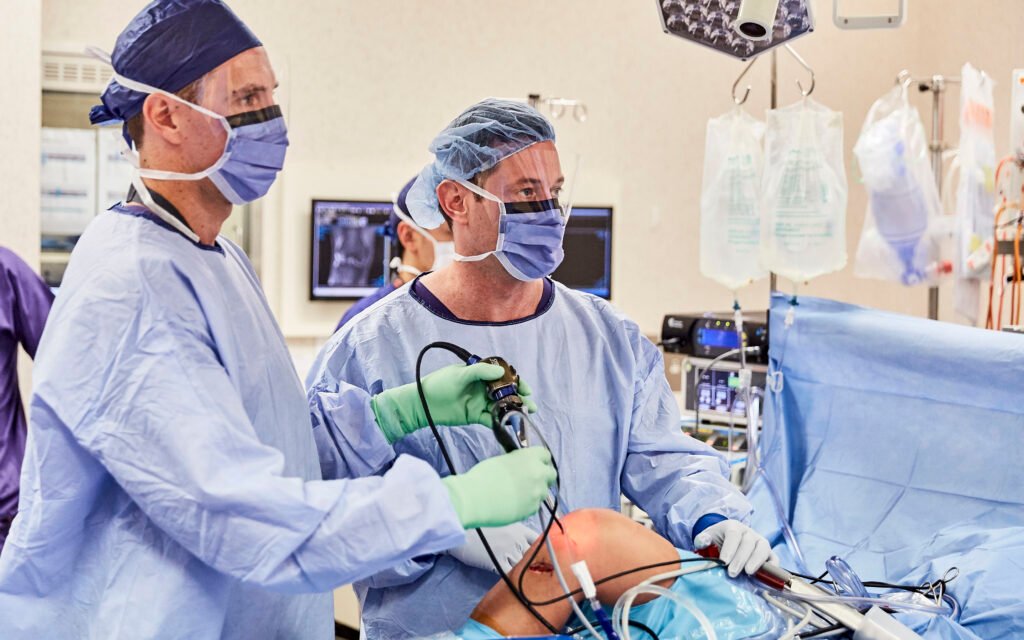
Dr Tulloch will access the area using either a minimally invasive (arthroscopic) technique or an open approach, depending on your individual condition and the extent of the underlying problem.
Once the area is visualised:
- The inflamed trochanteric bursa is identified and removed (bursectomy)
- The iliotibial band is assessed, and a controlled release or lengthening is performed to reduce tension and friction over the hip
- Any additional areas of irritation or damaged tissue may be addressed at the same time
The aim of these steps is to reduce mechanical irritation between the soft tissues and the bone, helping to improve comfort and movement.
Once the procedure is complete, the area is checked for stability, and the incisions are closed and dressed. You will then be transferred to recovery for monitoring.
The exact technique used will depend on your symptoms, imaging findings, and anatomy. Dr Scott Tulloch will explain your specific surgical plan and what to expect as part of your individualised care.
Understanding the risks and considerations
All surgical procedures carry potential risks, and trochanteric bursectomy with ITB release is no exception. Understanding these risks can help you make an informed decision about your care.
Some risks are common to most operations and may include infection, bleeding, blood clots, and reactions to anaesthesia. These are carefully managed with standard surgical and post-operative care.
There are also considerations specific to this procedure. These may include ongoing pain or incomplete relief of symptoms, particularly if there are multiple contributing factors to your hip pain. In some cases, symptoms may improve gradually rather than immediately.
Other potential considerations include stiffness, scar tissue formation, or irritation of surrounding soft tissues. As the procedure involves releasing part of the iliotibial band, there may be a period of muscle weakness or altered movement patterns during recovery while strength is rebuilt.
Recovery typically involves a structured rehabilitation program, and you may need to modify your activity levels in the early stages to allow healing. Your outcome can be influenced by factors such as your overall health, activity level, and adherence to rehabilitation.
The likelihood of specific risks varies between individuals. Dr Scott Tulloch will discuss the risks and considerations relevant to your situation, helping you understand the potential benefits and limitations of surgery.
What to expect after surgery
Recovery after trochanteric bursectomy with ITB release is typically progressive, with a focus on reducing pain, restoring movement, and gradually returning to activity.
Most patients are able to return home on the same day or after a short hospital stay, depending on the surgical approach and your overall health.
In the early stages after surgery, it is common to experience pain, swelling, and some stiffness around the outer hip. These symptoms are usually managed with medication, ice, and rest, along with a gradual return to movement.
You may be advised to use crutches or a walking aid for a short period to reduce discomfort and support mobility, particularly in the first few days after surgery.
Before leaving hospital, you will receive instructions on:
- Caring for your surgical wound
- Managing pain and swelling
- Gradually increasing your activity levels
- Recognising signs of complications, such as increasing redness, swelling, or discharge
Early movement is encouraged, and you will typically begin a physiotherapy program soon after surgery to help restore strength, flexibility, and normal movement patterns.
Most patients are able to return to light daily activities within a few weeks, with ongoing improvement over time. The speed of recovery can vary depending on your individual condition, surgical technique, and response to rehabilitation.
Rehabilitation and recovery after surgery
Rehabilitation following trochanteric bursectomy with ITB release focuses on restoring movement, strength, and control around the hip while allowing the surrounding tissues to settle and heal.
In the early stages after surgery, the emphasis is on gentle movement and symptom control. You may be encouraged to begin walking soon after the procedure, often with the support of a walking aid if required. Simple exercises may be introduced to help maintain mobility and circulation, while avoiding movements that place excessive strain on the outer hip.
As your symptoms improve, your rehabilitation program will progress to include targeted strengthening exercises, particularly for the gluteal muscles, as well as work on balance and movement patterns. This helps support the hip during everyday activities such as walking, climbing stairs, and standing for longer periods.
Over time, you will gradually return to normal daily activities, with improvements in comfort and function. The pace of recovery can vary depending on your symptoms prior to surgery, overall health, and response to rehabilitation.
Recovery after this procedure is generally progressive over several weeks to months, with continued gains in strength and movement as your rehabilitation advances.
Dr Tulloch will guide your recovery and work with your physiotherapy team to ensure your rehabilitation is tailored to your individual needs and activity goals.
Long-term outcomes after trochanteric bursectomy with ITB release
The long-term outcomes following trochanteric bursectomy with ITB release are focused on reducing pain on the outside of the hip and improving your ability to move comfortably and stay active. Many patients experience a reduction in symptoms such as lateral hip pain, tenderness, and discomfort with walking or lying on the affected side. Over time, improvements in movement, strength, and function may allow a return to everyday activities and low-impact exercise.
Outcomes can vary depending on factors such as the underlying cause of your symptoms, your overall health, and your commitment to rehabilitation and strengthening. In some cases, improvement may be gradual, particularly if symptoms have been present for a longer period before surgery.
While the aim of the procedure is to reduce irritation and improve function, some patients may continue to experience residual discomfort or sensitivity around the hip, especially with higher levels of activity.
Maintaining hip strength, flexibility, and appropriate activity levels can help support long-term function. Ongoing physiotherapy or exercise programs may be recommended to address contributing factors such as muscle imbalance or movement patterns.
Dr Scott Tulloch will discuss what you can reasonably expect based on your individual condition and provide guidance to support your long-term recovery and activity goals.