
Revision Knee Replacement (Arthroplasty)
Surgery to address problems with a previous knee replacement and restore function and stability
Revision knee replacement surgery is a specialised procedure performed to repair, replace, or adjust a previous knee replacement that is no longer functioning as expected.
Over time, a knee replacement may develop issues such as pain, loosening, wear, instability, or infection, which can affect your ability to move comfortably and perform daily activities. When this occurs, revision surgery may be considered to address the underlying problem.
- What is revision knee replacement (arthroplasty)?
- When revision knee replacement may be recommended
- Preparing for revision knee replacement surgery
- What happens during revision knee replacement (arthroplasty)
- Understanding the risks and considerations
- What to expect after revision knee replacement surgery
- Rehabilitation and recovery after revision knee surgery
- Long-term outcomes after revision knee replacement
What is revision knee replacement (arthroplasty)?
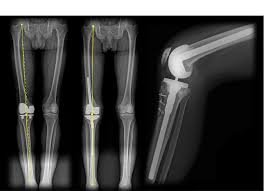
Revision knee replacement (arthroplasty) is a surgical procedure performed to replace or adjust a previous knee replacement that is no longer functioning as expected. A primary knee replacement involves placing implant components to resurface the joint. Over time, issues can develop that affect how the implant, surrounding bone, or soft tissues are working together. When this occurs, revision surgery may be considered to address the underlying problem.
Depending on the situation, revision surgery may involve:
- Replacing one or more components of the existing knee replacement
- Adjusting implant position or alignment
- Managing problems such as loosening, wear, instability, or infection
Revision procedures are often more complex than the initial knee replacement, as they may involve working with existing implants, changes in bone quality, and soft tissue balance.
When revision knee replacement may be recommended
Revision knee replacement (arthroplasty) may be considered when a previous knee replacement is no longer functioning as expected and symptoms are affecting your comfort, mobility, or daily activities. This procedure is typically discussed after a thorough assessment to identify the underlying cause of the problem, as treatment depends on the specific issue.
Revision knee replacement may be recommended in situations such as:
- Persistent or increasing knee pain after a previous knee replacement
- Implant loosening or wear over time
- Instability, where the knee feels loose or gives way
- Infection involving the joint replacement
- Stiffness or reduced movement that limits function
- Alignment or positioning issues affecting how the knee moves
In some cases, symptoms may develop gradually over time, while in others they may occur more suddenly. Not all problems after knee replacement require revision surgery. Some symptoms may be managed with non-surgical treatments, depending on the cause. Dr Tulloch will perform a comprehensive assessment, including imaging and other investigations where appropriate, to determine whether revision knee replacement may be suitable for your individual condition and treatment goals.
Preparing for revision knee replacement surgery
Preparing for revision knee replacement (arthroplasty) involves detailed assessment, careful planning, and practical preparation to support a safe procedure and recovery. Because revision surgery is often more complex than primary knee replacement, Dr Tulloch will perform a comprehensive evaluation to understand the cause of your symptoms and plan the procedure appropriately.
This may include:
- A thorough clinical assessment of your knee
- Imaging, such as X-rays, CT scans, or MRI
- In some cases, additional tests to assess for infection or implant-related issues
You will also receive pre-operative instructions, which may include guidance on:
- Fasting prior to surgery
- Managing or temporarily stopping certain medications
- Preparing for your hospital admission
- Organising walking aids, such as crutches or a walker
Optimising your general health before surgery may help support recovery. This can include:
- Maintaining a healthy weight
- Stopping smoking, where applicable
- Managing underlying medical conditions
- Completing a prehabilitation (pre-surgery physiotherapy) program, where appropriate
It is also important to prepare your home for your return after surgery. This may include arranging support from family or friends, ensuring a safe and accessible environment, and planning for reduced mobility in the early stages.
Because revision procedures are tailored to the underlying issue, careful planning is a key part of the process.
What happens during revision knee replacement (arthroplasty)
Revision knee replacement (arthroplasty) is performed to address problems with a previous knee replacement and restore alignment, stability, and joint function so, the exact procedure can vary depending on the underlying cause, such as loosening, wear, instability, or infection. The operation is typically carried out under general or regional anaesthesia (such as a spinal anaesthetic), so you will be comfortable throughout. and you will be positioned carefully to allow access to the knee.
During the operation:
- An incision is made to access the existing knee replacement
- Dr Tulloch carefully assesses the condition of the implant, surrounding bone, and soft tissues
- One or more components of the existing implant may be removed and replaced, depending on the problem identified
- The joint surfaces are prepared, and in some cases additional support or specialised components may be used to address bone loss or improve stability
- The new implant components are positioned to restore alignment and balanced movement of the knee
Once the new components are in place, the knee is assessed for stability, alignment, and range of motion. The incision is then closed and dressed, and you will be transferred to recovery for monitoring. Its importnt to note that In situations where infection is present, treatment may involve a staged approach, where the implant is removed and replaced over more than one procedure.
Duration
Revision surgery is often longer than primary knee replacement, as the procedure is more complex and tailored to your individual condition. Dr Tulloch will explain your personalised surgical plan, including the specific approach required for your situation.
Understanding the risks and considerations
All surgical procedures carry potential risks, and revision knee replacement (arthroplasty) is no exception. Because revision surgery is often more complex than primary knee replacement, some risks may be increased.
General risks associated with surgery may include:
- Infection
- Bleeding
- Blood clots (deep vein thrombosis or pulmonary embolism)
- Reactions to anaesthesia
There are also considerations specific to revision knee replacement. These may include:
- Persistent pain or incomplete relief of symptoms
- Stiffness or reduced range of motion
- Instability, where the knee does not feel fully supported
- Implant loosening or wear over time
- Bone loss or reduced bone quality, which may affect implant fixation
- Nerve or blood vessel irritation, which is uncommon
In some cases, further procedures or additional revision surgery may be required, particularly if complications develop or if the underlying issue is complex
Dr Scott Tulloch will discuss the risks and considerations specific to your situation, helping you understand the potential benefits and limitations of the procedure and supporting informed decision-making.
What to expect after revision knee replacement
Recovery after revision knee replacement (arthroplasty) is typically more gradual than after a primary knee replacement, due to the complexity of the procedure and condition of the joint.
Hospital stay
Most patients stay in hospital for approximately 3–5 days, allowing time for monitoring, early rehabilitation, and pain management. The exact duration may vary depending on your individual progress and the nature of the surgery.
Pain management
It is common to experience pain, swelling, and stiffness in the early stages. These symptoms are managed with:
- Medications prescribed by your care team
- Cold therapy (ice) to reduce swelling
- Elevation of the leg to support circulation
Assistive devices and mobility
You will usually begin mobilising under the guidance of a physiotherapist soon after surgery.
Crutches or a walker may be needed during the initial recovery period to support mobility and reduce stress on the knee.
Discharge instructions
Before leaving hospital, you will receive guidance on:
- Caring for the surgical site and wound management
- Managing pain and swelling
- Activity restrictions and safe movement
- Recognising signs of complications
Early movement is encouraged, although activity levels are typically progressed more gradually than after primary knee replacement. Recovery timelines can vary, and it may take longer to regain strength, movement, and confidence in the knee.
Rehabilitation and recovery after revision knee surgery
Rehabilitation following revision knee replacement (arthroplasty) is an important part of recovery and is typically more gradual and individualised than after primary knee replacement. In the early stages, the focus is on protecting the joint, managing swelling, and restoring gentle movement. You will begin a structured physiotherapy program soon after surgery, with exercises aimed at improving range of motion, circulation, and muscle activation. Walking usually starts early, under guidance, often with the support of crutches or a walker.
As recovery progresses, rehabilitation focuses on rebuilding strength, particularly in the quadriceps and surrounding hip muscles, as well as improving balance and movement control. This helps support activities such as walking, standing, and climbing stairs.
Depending on the complexity of your surgery, you may have specific precautions or weight-bearing restrictions during the early stages to allow healing. Activity levels are gradually increased based on your progress, symptoms, and surgical findings.
Recovery timeline
Recovery after revision knee surgery can take longer than primary knee replacement. Improvement is typically seen over several weeks to months, with ongoing gains in strength and function over time. The overall timeline can vary depending on the reason for revision, condition of the joint, and your response to rehabilitation. Ongoing participation in your physiotherapy program and maintaining an active, healthy lifestyle can help support long-term outcomes.
Dr Scott Tulloch will monitor your progress and provide individualised guidance, working closely with your physiotherapy team to support a safe and gradual return to activity.
Long-term outcomes after revision knee replacement
Long-term outcomes following revision knee replacement (arthroplasty) can vary and are influenced by factors such as the reason for revision, condition of the bone and soft tissues, overall health, and participation in rehabilitation. Many patients experience improvement in pain, stability, and joint function, which can support a return to daily activities and low-impact exercise. The aim of revision surgery is to address the underlying problem and improve the overall performance of the knee, although outcomes may be less predictable than after a primary knee replacement.
It is important to understand that:
- Recovery may be slower, and full function can take time to achieve
- The knee may not feel the same as a primary (first-time) knee replacement
- Function and comfort may change over time
The longevity of a revision knee replacement can vary depending on factors such as implant type, bone quality, activity level, and overall joint health. In some cases, further procedures may be required in the future. Regular follow-up is recommended to monitor the condition of the knee and implant, particularly if new or changing symptoms develop. Maintaining an active, healthy lifestyle, including appropriate physiotherapy and low-impact activity, may help support joint function over time.
Dr Scott Tulloch will provide ongoing guidance to help you manage your knee and achieve the best possible long-term outcome based on your individual circumstances.